

Gaming
GGVegas: Your Ultimate Fun Guide to Gaming Glory!

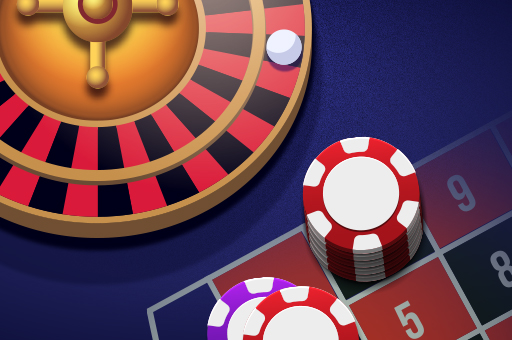
Picture this: It’s Friday night, you’re settled into your favourite chair, and that familiar rush of anticipation courses through your veins as you prepare to test your skills against players from around the world. Whether you’re a seasoned card shark or someone who’s just discovered the electrifying world of online gaming, there’s something undeniably magnetic about the challenge, the strategy, and yes—the thrill of victory. Welcome to the world of GGVegas, where gaming excellence meets accessible fun.
This guide isn’t just another dry tutorial filled with complicated terminology that’ll make your head spin. Instead, think of it as your friendly companion on the journey to gaming mastery. We’re going to break down everything from poker fundamentals to the psychology of bluffing, debunk the myth that winning is all about luck, and explore the diverse gaming landscape that makes this platform such an exciting destination. By the time you finish reading, you’ll have practical strategies you can implement immediately, a deeper understanding of game mechanics, and the confidence to take your gaming to the next level. Ready? Let’s dive in!
Let’s Get Started with Poker Basics
Did you know poker has been around for nearly 200 years, evolving from Mississippi riverboats to glitzy casinos and now to your laptop or smartphone? This evolution reflects its enduring appeal and the timeless strategies that make it such a fascinating game. What makes poker truly special is how psychology meets probability—reading people is just as important as reading cards.
Let’s dive into the basics without making it feel like a math class. At its core, poker is about making the best five-card hand possible or convincing everyone else that you have. Simple, right?
How a Typical Game Flows
The Essential Steps:
- The Deal: Each player receives their cards (the number depends on which poker variant you’re playing)
- The Betting Rounds: Players take turns deciding whether to bet, call, raise, or fold based on their hand strength
- The Reveal: Remaining players show their cards, and the best hand wins the pot
The beauty of playing on the platform is that you can start with low-stakes games to practice these fundamentals without risking your rent money. Various poker variants are available—from Texas Hold’em to Omaha—each with its own strategic nuances that keep things interesting.
Hand Rankings You Need to Know
- Royal Flush: A, K, Q, J, 10 of the same suit (the holy grail)
- Straight Flush: Five consecutive cards of the same suit
- Four of a Kind: Four cards of the same rank
- Full House: Three of a kind plus a pair
- Flush: Five cards of the same suit
- Straight: Five consecutive cards of different suits
- Three of a Kind: Three cards of the same rank
- Two Pair: Two pairs of cards
- One Pair: One pair of matching cards
- High Card: The highest card when you have no other ranking hand
Think of these rankings as a ladder. The higher you climb, the better your chances of winning. However, here’s where it gets interesting: even with a low-ranking hand, you can still win if you play your cards right—literally and figuratively. That brings us to one of poker’s most fascinating elements.
The Art of Bluffing
Let’s discuss one of the most exhilarating aspects of poker: the bluff. Imagine you’re holding absolutely nothing—maybe a seven and a two of different suits (poker players affectionately call this the “worst hand in poker”). However, instead of folding like everyone expects, you raise the bet confidently. Your opponents, convinced you’re holding pocket aces, fold their moderately good hands. You just won with practically nothing. That’s the magic of bluffing.
Remember the 2003 World Series of Poker when Chris Moneymaker (yes, that’s his real name—talk about destiny!) bluffed his way past professional player Sam Farha with absolutely nothing? Moneymaker went all-in on a complete bluff, and Farha, holding a decent pair, eventually folded. That single hand helped Moneymaker win the championship and changed poker forever, sparking what experts call the “poker boom.”
The Psychology Behind Successful Bluffing
Effective bluffing isn’t about lying—it’s about storytelling. Your bets throughout the hand need to tell a consistent story about what cards you might be holding. If you’ve been betting cautiously all game and suddenly go all-in, experienced players will smell something fishy. Yet if you’ve been betting aggressively from the start, that big bet becomes believable.
When to Bluff:
- When you’re playing against fewer opponents (bluffing five people is much harder than bluffing one)
- When the community cards suggest a strong hand is possible
- When you’ve established a tight, conservative playing image
- When your opponent has shown weakness (like checking instead of betting)
When NOT to Bluff:
- Against beginners who might call anything (you can’t bluff someone who doesn’t understand they should fold)
- When you’ve been caught bluffing recently
- When the pot is small (risk should match reward)
- When you’re emotionally compromised
Here’s my challenge to you: Try incorporating one calculated bluff in your next gaming session. Start small, observe how your opponents react, and share your experience in the comments below. Did it work? Did you get caught? What did you learn? The poker community thrives on shared experiences, and your story might help someone else master this crucial skill.
Why Poker is More Than Just Luck
“Poker is just gambling—it’s all luck!” If I had a dollar for every time I’ve heard this misconception, I’d have enough to enter a high-stakes tournament. Let’s clear up this misunderstanding once and for all: while luck plays a role in individual hands, poker is fundamentally a game of skill, strategy, and mathematical probability.
Consider this: if poker were purely luck-based, how do the same professional players consistently make it to final tables in major tournaments? How does someone like Daniel Negreanu maintain a decades-long career earning millions? The answer is pretty straightforward—they’ve mastered the strategic elements that casual players overlook.
The Strategic Elements That Matter
Position Awareness: Where you sit relative to the dealer button dramatically affects your strategy. Playing from “late position” (acting after most other players) gives you more information to make better decisions. Professional players win more hands not because they get better cards, but because they know how to leverage position.
Pot Odds and Probability: This sounds mathematical (and it is), but it’s actually intuitive once you grasp it. If there’s $100 in the pot and it costs you $10 to call, you’re getting 10-to-1 odds. If your chance of making your hand is better than 1 in 10, calling is mathematically correct. Over thousands of hands, making mathematically sound decisions translates to consistent profits.
Opponent Analysis: Great poker players are great people-readers. They notice betting patterns, timing tells, and behavioural cues that reveal information about their opponents’ hands. This psychological element is pure skill, not luck.
The same strategic thinking applies to other games on the platform. When you play blackjack, for instance, basic strategy charts can reduce the house edge to less than 1%. That’s not luck—that’s mathematics and disciplined decision-making. Card counting (where legal) takes it even further, proving that informed strategy trumps random chance.
The Variance Factor: Yes, short-term luck exists. You might lose with pocket aces or win with a terrible hand. Yet over hundreds or thousands of hands, skill inevitably rises to the top. Professional players understand variance and don’t let short-term results affect their long-term strategy. This mental discipline is itself a learnable skill.
Exploring Other Games on GGVegas
While poker might steal the spotlight, the platform offers a treasure trove of other gaming experiences that deserve your attention. Let’s explore some fan favourites and the strategies that can enhance your enjoyment and success.
Blackjack: The Thinking Player’s Game
Blackjack offers some of the best odds in online gaming when played correctly. The objective is simple—get closer to 21 than the dealer without going over. Yet the strategy runs deep:
- Always split aces and eights
- Never split tens or fives
- Double down on 11 (especially when the dealer shows a low card)
- Learn basic strategy charts (they’re not as complicated as they look)
The house edge in blackjack can be as low as 0.5% with perfect basic strategy. Compare that to many other games, and you’ll see why serious players love it.
Roulette: Understanding the Odds
Roulette is straightforward—a ball lands on a number, and you either win or lose. Yet smart players know which bets offer better value. European roulette (single zero) is always preferable to American roulette (double zero) because the house edge is nearly half as much. Stick to outside bets like red/black or odd/even if you want to extend your playing time and enjoy the experience.
Slots: Pure Entertainment with Strategic Elements
Now, let’s delve into slots—the most popular game in any casino, online or otherwise. While slots are primarily games of chance (those random number generators don’t lie), there are still strategic considerations:
Beginner Tips for Slots:
- Understand RTP (Return to Player): Look for games with RTP above 96%. This percentage indicates how much the game returns to players over time.
- Volatility Matters: Low volatility slots pay smaller amounts more frequently; high volatility slots pay bigger amounts less often. Choose based on your playing style and bankroll.
- Bonus Features: Modern slots include free spins, multipliers, and bonus rounds. Understanding how these work maximises your entertainment value.
- Bankroll Management: Set a budget before you start and stick to it. Slots are designed to be engaging, so discipline is crucial.
The beauty of slots is their incredible variety. Whether you enjoy classic three-reel games, elaborate video slots with cinematic graphics, or progressive jackpots with life-changing potential, there’s something for every taste.
Other Games Worth Exploring:
The platform also features baccarat (a favourite of high rollers for its simplicity and low house edge), video poker (combining poker strategy with slot-style gameplay), and various speciality games. Each offers unique entertainment value and strategic depth.
Take Your Skills to the Next Level
We’ve gone through a lot together—from poker fundamentals and the psychological warfare of bluffing to the strategic depth that separates skilled players from lucky ones, and finally, the diverse gaming options that make this platform such an exciting destination.
Here’s what I want you to take away: gaming excellence isn’t about being the luckiest person in the room. It’s about understanding the games you play, making informed decisions, managing your bankroll responsibly, and continuously learning from experience. Whether you’re drawn to the strategic complexity of poker, the mathematical elegance of blackjack, or the pure entertainment of slots, there’s a place for you in this vibrant community.
Your Action Plan:
- Start with one game and learn it thoroughly before branching out
- Practise with low-stakes games to build confidence
- Implement one new strategy from this guide in your next session
- Track your progress and learn from both wins and losses
- Join the community and share your experiences
Now it’s your turn. Put these strategies into action and see the difference they make. And here’s the fun part—come back and tell us about it! Did that bluff work? Did you hit a great hand in blackjack? Did you finally understand why position matters in poker? Drop your stories, questions, and tips in the comments below. The best way to level up your game is by learning from others and sharing your own insights.
Remember, every expert was once a beginner who refused to give up. Your journey to gaming glory starts with a single hand, a single spin, a single decision to play smarter. Let’s make it happen together!
What’s your biggest gaming challenge? Share it in the comments, and let’s solve it as a community!

The first game can be surprisingly different from what you imagined. The cards may look familiar but the little decisions start to add up once the round is underway.
That is why Yono Rummy is best approached with a little patience rather than a rush to make the first move.
Knowing what to look for can save a beginner from a few very ordinary mistakes and make those early rounds easier to follow.
Don’t Assume You Already Know the Rules
This is probably the biggest trap for anyone who has played rummy somewhere else.
The word “rummy” does not automatically mean every version follows identical rules. The way sequences are made, points are counted, or a round is finished can vary.
Before playing, check the basics:
- What qualifies as a valid sequence?
- How are sets formed?
- How does a declaration work?
- How are points calculated?
- When does the round officially end?
It sounds obvious, but reading the rules once is far easier than trying to work them out after making a wrong move.
Look at the Whole Hand, Not Just One Card
A new player may pick up a card and immediately think, “That’s useful.”
Maybe it is. Maybe it isn’t.
A card only becomes valuable when it fits somewhere in the hand. Keeping several unrelated cards because each one might become useful later can leave very little room for a sensible combination.
Try sorting the hand mentally into three groups:
Cards that already fit
These are cards that are part of a possible sequence or set.
Cards that are close
Perhaps only one card is missing to complete a useful combination.
Cards with no clear purpose
These are the ones worth questioning first when deciding what to discard.
This small habit can make the hand feel much less cluttered.
The Cards Other Players Throw Away Matter
It is easy to become absorbed in your own hand and forget that other players are making decisions too.
Watch the discard pile.
If someone keeps picking up cards from a particular range, they may be building around them. If they repeatedly throw away certain cards, that can also give you something to think about.
You don’t need to guess another player’s entire hand. Just pay attention.
Even noticing one useful detail during a round is better than ignoring everything outside your own cards.
Don’t Keep a Card Just Because It “Might” Help
This happens all the time with beginners.
A player has a card that does not fit the current combinations but keeps it anyway. Five turns later, it is still sitting there.
Hope can be expensive in terms of space.
Ask yourself:
“What am I realistically going to do with this card?”
If there is no clear answer, letting it go may be more practical than waiting for a perfect card that may never appear.
Slow Down When the Game Gets Busy
Once several turns have passed, the temptation to play quickly becomes stronger. You have already seen the cards, you think you know what you want, and suddenly a careless tap looks easier than another few seconds of thought.
That is where mistakes happen.
A short pause can help you notice:
- A sequence you nearly overlooked
- A card that no longer fits
- Something another player has been collecting
- A better discard than your first choice
Speed usually comes naturally with familiarity. There is no prize for making a beginner’s first few rounds unnecessarily fast.
Rewards Should Not Distract From the Game
Promotions can be tempting, particularly when a player is exploring several features at once.
If you come across Yono VIP, take a moment to understand what the particular reward or offer actually requires. Terms can matter just as much as the headline attached to a promotion.
Look for details such as:
- Eligibility requirements
- Expiry periods
- Usage conditions
- Any restrictions attached to rewards
A reward is easier to appreciate when you know exactly what it involves.
A Bad Round Doesn’t Need a Dramatic Response
Losing a round can be annoying. Losing after being one card away from a good combination can be even worse.
The natural reaction is sometimes to immediately change the way you play.
That could mean upping the stakes, playing more aggressively, or even going longer than you planned, simply because the previous result was disappointing.
None of those reactions fixes the earlier round.
It is usually more useful to treat each round as its own event. If something went wrong, think about the decision that caused it rather than trying to “get even” on the next hand.
Remember That Other Games Work Differently
Once players become comfortable with one game, curiosity often takes them elsewhere.
That is perfectly natural. But moving from cards to another category requires a fresh look at the rules.
For example, Yono Gemes may offer a different type of gaming experience, while Yono Arcade can introduce another style of play altogether. The same goes for Yono Slots, where the pace and mechanics are not the same as a rummy table.
Familiarity is helpful, but it should not be mistaken for knowledge of every game.
Keep a Few Simple Boundaries
Before starting a session, decide a few things while your head is clear.
Set a time limit.
Knowing when you plan to stop prevents a short session from quietly becoming much longer.
Set a spending limit.
Only use an amount you are comfortable losing.
Take breaks.
If decisions start feeling rushed or frustrating, stepping away is better than forcing another round.
Don’t chase losses.
A previous result does not need to control the next decision.
These are basic habits, but they become particularly useful when excitement starts taking over.
What Beginners Usually Learn After a Few Rounds
The first few games are rarely about playing perfectly.
You begin noticing things that were invisible at the start: why a certain discard was sensible, why holding one card for too long created problems, or how another player’s choices can reveal useful information.
That learning happens gradually.
Instead of worrying about looking experienced, concentrate on understanding what is happening in front of you. The small lessons tend to add up.
Final Thoughts
There is no need to rush into a new card game simply because the basic idea appears familiar.
Yono Rummy becomes easier to understand when players give themselves time to learn the rules, watch the table, and make decisions without unnecessary pressure.
A thoughtful first session can be more useful than a hurried one. Learn from the awkward moves, notice what works, and let experience build naturally.
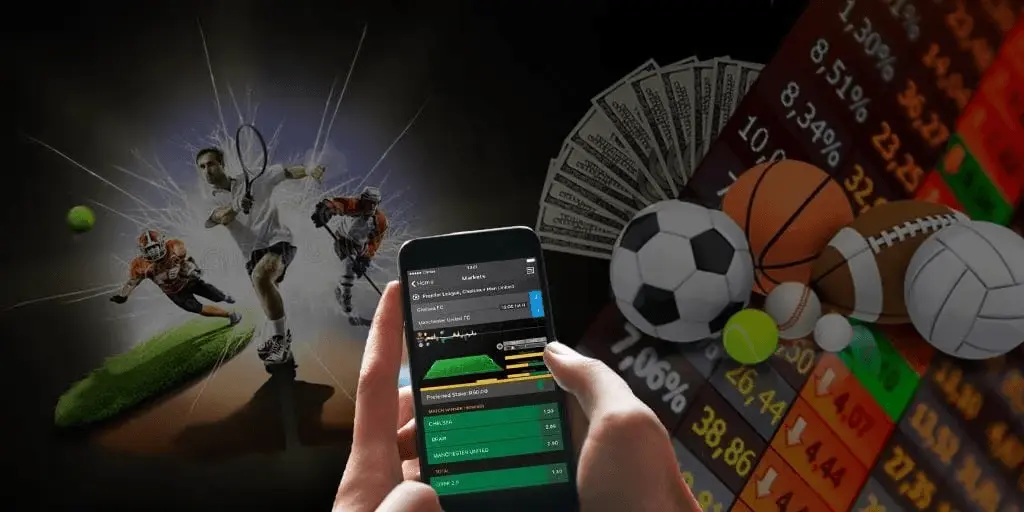
Sports betting used to be fairly functional. You opened a market, picked a team or player, placed the bet and left. The platform itself did not need much personality because the sport was doing most of the work. That has changed. Modern sportsbooks are competing not only on odds, but on how the whole product feels. Navigation, personalisation, live updates and account features now shape the betting experience almost as much as the markets themselves. For players who are used to games that react quickly and remember what they like, a sportsbook that feels slow or badly organised can seem dated almost immediately.
The interface has to get out of the way
Gaming platforms learned this years ago. If a menu is confusing, people stop using it. If important information is buried, the experience feels heavier than it should. Sportsbooks face the same problem. A football bettor may want one league, one match and one market. They should not have to scroll through twenty unrelated competitions first. The better platforms make common actions obvious and keep the bet slip close without filling the screen with noise. That sounds basic, but it is one of the biggest differences between an average sportsbook and a more premium betting product.
Personalisation is becoming part of the service
Games often remember what players opened last, which modes they use and where they left off. Sport betting is moving in the same direction. A regular bettor might prefer Premier League football, tennis and live basketball. There is little reason to show them the exact same homepage as someone who follows cricket and esports. Personalised promotions and more relevant market suggestions can make the betting experience feel less generic, especially for customers who use the same platform every week. That is also where premium betting starts to mean something beyond a larger bonus. If the service is genuinely premium, it should know enough about the customer to make the account easier to use.
Live betting has changed the pace completely
Pre-match betting is still important, but live markets have made sportsbooks much more dynamic. Prices change. Markets open and close. A match that looked uninteresting before kickoff can suddenly become the one everyone is watching. That creates a much more game-like pace. The user is not simply reading a static list anymore. They are following an event that keeps changing, with the interface updating around it. For that to work well, speed matters. So does clarity. A platform can have hundreds of live markets and still feel poor if the user cannot find the one they want quickly enough.
Premium betting is really about consistency
The word “premium” gets used too easily. It should not only mean VIP branding or an exclusive promotion. A premium betting experience is usually built from smaller things working properly every time: reliable account access, clear payments, responsive support, relevant offers and a sportsbook that does not feel cluttered. The more often somebody uses the platform, the more those details matter. The welcome offer is remembered for a few days. A frustrating interface is remembered every weekend.
The sportsbook is becoming part of the entertainment
This is probably the biggest change. The sport is still the reason people arrive, but the platform now shapes how they follow it. A good sportsbook can make a busy Saturday easier to navigate. A poor one can make even a simple bet feel like work. That is why sports betting platforms are starting to borrow more from gaming design. They are no longer only places where a bet is placed. They are becoming part of the overall betting experience.

Rummy has made the move to mobile particularly well. A game that once meant finding a deck, a table and enough people to play can now be practised on an Android phone in a few minutes.
But searching for a rummy app can quickly become confusing. There are different rule sets, different numbers of cards, online and offline modes, and apps that use the word “rummy” for games that are quite different from the Indian 13-card format.
Before installing anything, it helps to know exactly what you are looking for.
Start With the Rummy Variant
The first thing to check is the version of rummy offered by the app.
For players familiar with Indian Rummy, the important phrase is usually 13-card rummy. Each player receives 13 cards and tries to arrange them into valid sequences and sets.
A typical winning arrangement requires at least two sequences, including a pure sequence. A pure sequence contains consecutive cards of the same suit without using a joker as a substitute.
This matters because an app built around another rummy variant may have different card counts, scoring rules or requirements for a valid declaration.
Check What the Download Page Actually Tells You
A useful app page should provide more than a download button.
Before installing, look for basic information such as:
- Android compatibility
- app version and file details
- the rummy format included
- installation instructions
- whether an internet connection is required
- gameplay or rules information
Players specifically looking for a traditional Android version can use a Rummy Download page that explains the 13-card Indian Rummy format alongside the app information.
That context is useful because it lets you understand the game before installing it instead of discovering the rules after opening the app.
Understand Sequences Before Your First Game
The sequence system is one of the most important parts of 13-card Indian Rummy.
A sequence is a group of consecutive cards from the same suit. For example:
5♥ – 6♥ – 7♥
is a straightforward sequence.
A pure sequence follows the natural order without replacing a missing card with a joker. An impure sequence can use a joker where the rules allow it.
New players often concentrate on making sets and overlook the pure-sequence requirement. Learning this distinction before playing makes the first few games much easier to follow.
Sets Are Different From Sequences
A set normally contains cards of the same rank but different suits.
For example:
8♣ – 8♦ – 8♥
forms a set.
The difference sounds simple, but it becomes important when sorting 13 cards on a small mobile screen. A good rummy interface should make it easy to rearrange cards and identify possible groups without obscuring suits or ranks.
Look at the Interface, Not Just the Graphics
Card games do not need complicated graphics to work well on mobile. Clarity matters more.
Cards should be large enough to read, suits should be easy to distinguish and controls should not cover important parts of the hand. Sorting and grouping cards should also feel natural.
This becomes particularly important on smaller Android devices, where an interface designed mainly for large screens can make a simple card game unnecessarily difficult to use.
Check Android Compatibility
Not every Android device runs the same operating-system version or has the same amount of storage available.
Before downloading, check whether the app supports your Android version and whether there is enough free space on the device.
If an Android package is being installed directly rather than through an app store, the phone may also ask for permission to install an app from that particular source. Android users should review the file source and requested permissions before continuing.
An ordinary card game should not need access to unrelated parts of the phone simply to deal cards and record gameplay.
Online and Offline Play Are Not the Same
Another detail worth checking is whether the app requires a constant internet connection.
Offline play can be useful for practising card grouping, learning sequences and becoming familiar with the interface. Online modes may add multiplayer features but naturally depend on network availability.
Neither format is automatically better. The useful option depends on whether you want to learn the rules, practise independently or play with other people.
Learn the Game Before Playing Quickly
Mobile interfaces make it easy to move through a card game quickly, but speed is not particularly useful when the underlying rules are unclear.
New players are better served by first understanding:
- how the 13 cards are dealt,
- what qualifies as a pure sequence,
- how impure sequences work,
- how sets are formed, and
- what makes a declaration valid.
Once those basics are familiar, the digital version becomes much easier to follow.
Final Thoughts
A good Android rummy experience starts before the first hand is dealt.
Check that the app actually supports the rummy variant you want, understand its sequence and set rules, confirm Android compatibility and read the installation information rather than choosing an app based only on its name or screenshots.
For 13-card Indian Rummy in particular, understanding the pure-sequence rule is the best place to start. Once that foundation is clear, both the cards and the mobile interface become considerably easier to manage.




What Players Often Overlook Before Trying Yono Rummy for the First Time
Click to rate this post! [Total: 0 Average: 0] The first game can be surprisingly different from what you imagined....

Why sports betting platforms are starting to feel more like gaming platforms
Click to rate this post! [Total: 0 Average: 0] Sports betting used to be fairly functional. You opened a market,...

Rummy on Android: What to Check Before Downloading a 13-Card Rummy App
Click to rate this post! [Total: 0 Average: 0] Rummy has made the move to mobile particularly well. A game...


Casino Apps Are Changing the Way People Discover Games
Click to rate this post! [Total: 0 Average: 0] An online casino used to feel much more like a website...


Roobet Promo Code – What Exclusive Bonus Does It Unlock?
Click to rate this post! [Total: 0 Average: 0] Crypto casinos look similar until the welcome package is unpacked. Sign-up...


Are Pokémon Cards a Real Alternative Asset
Click to rate this post! [Total: 0 Average: 0] The shiny pieces of cardboard you traded in the schoolyard are...


6 Mistakes Even Experienced Tongits Players Make (And How to Fix Them)
Click to rate this post! [Total: 0 Average: 0] Every experienced Tongits player thinks they have the game entirely figured...


Gaming Reward Design Has Spent Thirty Years Moving in One Direction
Click to rate this post! [Total: 3 Average: 3.7] Every browser game with an unlock screen was teaching the same...


Mouse P.I. For Hire Review: What Makes It Interesting and How to Play
Click to rate this post! [Total: 0 Average: 0] What Is Interesting About This Game? A Noir Story Meets Rubber...


How Sports Video Games Keep Fans Engaged Between Matchdays
Click to rate this post! [Total: 0 Average: 0] Sports fandom does not pause when the final whistle sounds. Between...
Huge Demo, not a small teaser. Sanshui: Poker Puzzle. How far can you swim?

Following the NBA From the Philippines: A Survival Guide for Early-Morning Tipoffs
What Players Often Overlook Before Trying Yono Rummy for the First Time
Why sports betting platforms are starting to feel more like gaming platforms
Rummy on Android: What to Check Before Downloading a 13-Card Rummy App

The PC Hardware and Accessories That Actually Make a Difference to Your Setup
Casino Apps Are Changing the Way People Discover Games
Roobet Promo Code – What Exclusive Bonus Does It Unlock?
Are Pokémon Cards a Real Alternative Asset
6 Mistakes Even Experienced Tongits Players Make (And How to Fix Them)
-

 Finance3 years ago
Profitable Intraday Trading Advice For Novices
-

 Gaming3 years ago
Pixel Speedrun Unblocked Games 66
-

 Gaming4 years ago
Subway Surfers Unblocked | Subway Surfers Unblocked 66
-

 Internet3 years ago
Welcome to banghechoigame.vn – Your One-Stop Destination for Online Gaming Fun!
-

 Gaming4 years ago
Minecraft Unblocked Games 66 | Unblocked Games Minecraft
-

 Gaming4 years ago
Google Baseball Unblocked | Google Doodle Baseball Unblocked 66
-

 Gaming4 years ago
Tunnel Rush Unblocked | Tunnel Rush Unblocked 66
-

 Internet3 years ago
Premium Games Unblocked: Unleash Your Gaming Potential