

Gaming
Google Tic-Tac-Toe

We all know Tic-Tac-Toe as a classic. It has been a go-to game for idle times for years. But did you know Google has given this iconic game a digital twist? Yes, you heard it right!
Let’s delve into Google Tic-Tac-Toe. This version lives right in your search bar. That means no downloads. No install hassles. Just type “Tic Tac Toe” in Google. And there it is. As simple as it sounds.
This timeless game becomes an instant retreat. Got a few minutes to spare before your next meeting? Or maybe you’re waiting for your food delivery? Google Tic-Tac-Toe is there to keep you company. It’s your perfect partner in beating boredom.
Now, let’s talk about gameplay. You can play against the computer. Or you can challenge a friend. The choice is yours. You can also set the difficulty level. From easy to impossible, Tic-Tac-Toe challenges you at your pace.
The interface is minimalistic yet interactive. With just a grid and X’s and O’s, Google keeps it as classic as it can get. Yet the interactive play style keeps you hooked. Simple, swift, and fun – that’s Tic-Tac-Toe for you.
Mastering the Game: Your Step-by-Step Guide to Winning Google Tic-Tac-Toe
This digital twist on the timeless classic game is at your fingertips and ready to be conquered. With the game only a few keystrokes away, here’s a straightforward guide on how to play and win at Tic-Tac-Toe.
Gameplay – A Game of Strategy
Your aim in Google Tic-Tac-Toe is similar to the classic version. You need to get three of your marks, either Xs or Os, in a horizontal, vertical, or diagonal row before your opponent does. Let’s explore how to get there.
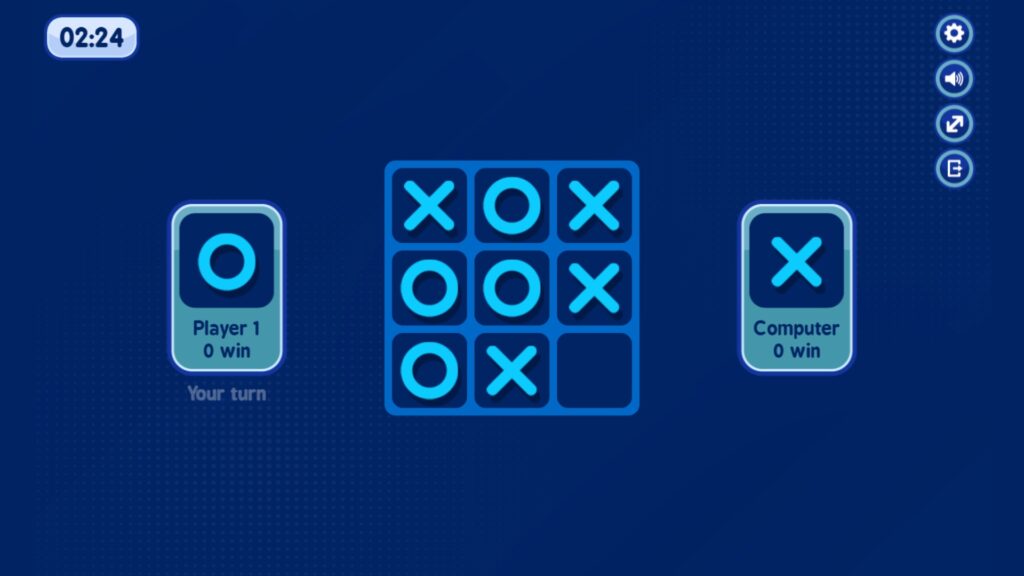
Step 1: Launching the Game
Launching the game is easy. Open your browser and type “Tic Tac Toe” into the Google search bar. Right there, you will find the game, ready to play without any installations or downloads. A classic 3×3 grid pops up, waiting for your strategic moves.
Step 2: Choose Your Opponent
Google Tic-Tac-Toe allows you to play solo or with a friend. For solo mode, click on ‘Play against computer.’ For a duel with a friend, click on ‘Play against a friend.’ It’s your call!
Step 3: Selecting Difficulty Level
If you’re playing solo, you can choose the difficulty level. Select from ‘Easy,’ ‘Medium,’ ‘Impossible,’ or ‘Random.’ Remember, the harder the level, the smarter your computer opponent!
Step 4: Making Your Move
Now it’s time to step into the actual game. If you’re an X, you’ll go first. If you’re an O, you’ll follow the computer or your friend’s move. Just click on the square where you want to place your X or O. The game continues, with turns alternating between you and your opponent.
Step 5: Winning the Game
The goal is to get three Xs or Os in a row – horizontally, vertically, or diagonally. If you succeed in this before your opponent, you win!
Climbing the Ladder: The Exciting Levels of Google Tic-Tac-Toe
Tic-Tac-Toe, in its simplicity, offers three distinct levels to match your playing preference and style. These levels don’t add any new gameplay elements or extra rules but rather change the game’s difficulty by adjusting the AI’s intelligence. Here’s a breakdown:
1. Easy: This level is perfect for beginners or for those who want a relaxed game. The AI in this level does not strategize too much, often making random moves and easily falling into your traps.
2. Medium: At this level, the AI gets smarter. It makes calculated moves and knows how to block your attempts to get three in a row. This level offers a balanced game, suitable for players familiar with Tic-Tac-Toe and looking for a bit of a challenge.
3. Impossible: True to its name, winning at this level feels impossible. The AI is at its smartest and most strategic. It plays the perfect game, blocking your winning moves and setting up its own traps. If you can win on this level, consider yourself a Tic-Tac-Toe master!
In addition to these levels, Google Tic-Tac-Toe also offers a “Random” mode. In this mode, the AI’s intelligence can vary from game to game, keeping you on your toes.
Top Tips and Tricks for Tic-Tac-Toe Dominance
- Start in the corners: If you’re going first, starting in a corner gives you a wider range of winning combinations.
- Center square advantage: Occupying the center square offers a strategic edge as it’s a part of four potential winning lines.
- Block and conquer: Keep an eye on your opponent’s moves. If they’re about to get three in a row, don’t hesitate to block them.
- Forking: A ‘fork’ allows you to create two simultaneous opportunities to win. Force your opponent to block one, leaving the other open for your victory.
- Opposite corner strategy: If your opponent has taken one corner, take the opposite corner. This increases your chances of being able to create a fork.
- Avoid moving in squares next to the corner: Unless necessary, avoid these squares, as they tend to give your opponent more opportunities to set up a fork.
- Use traps: Set up traps where your opponent has to block you, but in doing so, sets up a win for you on the next move.
- Practice makes perfect: The more you play, the more strategies you’ll discover. Practice often to refine your skills.
Uncovering the Unique Features of Google Tic-Tac-Toe
- Instant Accessibility: Tic-Tac-Toe requires no downloads or installs. A simple search brings the game to your screen.
- Choose Your Opponent: You can play against a friend or challenge the computer, allowing for variety in gameplay.
- Adjustable Difficulty Levels: Google Tic-Tac-Toe offers different levels of difficulty, making it engaging for both beginners and advanced players.
- Clean and Simple Interface: The game maintains a minimalistic design that’s easy to understand and navigate.
- Free to Play: You don’t have to worry about subscriptions or in-app purchases. The game is completely free.
- Playable on Multiple Devices: Whether you’re on a computer, smartphone, or tablet, Google Tic-Tac-Toe is playable, making it a game for all devices.
- Interactive Gameplay: The game’s responsive design allows for seamless interactions, enhancing the overall player experience.
Concluding Our Deep Dive into Google Tic-Tac-Toe
Tic-Tac-Toe stands out as a beacon of simplicity in the world of digital games. Its instantly accessible gameplay, adjustable difficulty levels, and freedom to choose your opponent make it a go-to game for people of all ages. The ability to play it on multiple devices, coupled with its free-to-play model, underscores its appeal even more. We hope this post has provided you with a better understanding of this Google gem. Whether you’re waiting for a meeting to start, looking for a quick brain workout, or simply in need of a break, remember, a round of Google Tic-Tac-Toe is just a search away. Keep playing, keep strategizing, and most importantly, keep having fun. Game on!
Frequently Asked Questions
How do I play Google Tic-Tac-Toe?
Simply search “Tic Tac Toe” in Google. Choose to play against the computer or a friend. Click on a square to place your X or O, aiming to get three in a row.
Can I adjust the difficulty level in Tic-Tac-Toe?
Yes, you can. If you choose to play against the computer, you can select from ‘Easy,’ ‘Medium,’ ‘Impossible,’ or ‘Random’ difficulty levels.
Does Google Tic-Tac-Toe require any downloads or installs?
No, it doesn’t. The game is accessible directly from the Google search bar, requiring no downloads or installs.
Can I play Tic-Tac-Toe on my smartphone?
Absolutely! Tic-Tac-Toe is playable on any device with a browser, including smartphones, tablets, and computers.
Is Google Tic-Tac-Toe free to play?
Yes, it is completely free to play. You can enjoy the game without worrying about any subscriptions or in-app purchases.
People Also Searched For
- Slope Unblocked Games
- Moto X3m
- 1v1.lol Unblocked 66
- Fireboy And Watergirl Unblocked
- Happy Wheels Unblocked Games
- Minecraft Unblocked Games 66
- Drift Hunters Unblocked
- Tunnel Rush Unblocked
- Eggy Car Unblocked 66
- Google Baseball Unblocked
- Fall Boys Unblocked
- Bouncy Rush
- Cookie Clicker Unblocked Games
- Pixel Combat 2
- Little Alchemy 2
- Subway Surfers Unblocked
- Planet Clicker 2
- Retro Bowl Unblocked
- Big Tower Tiny Square Unblocked
- Rooftop Snipers Unblocked
- Getaway Shootout Unblocked
- Papa’s Cheeseria
- Heardle Game
- Iron Snout Unblocked
- Basketball Legends
- Flappy Bird Unblocked
- Highway Racer
- Geometry Dash Unblocked
- Crazy Shooters
- Basketball Stars Unblocked
- Rummy Wealth
- Among Us Unblocked
- 8 Ball Pool Unblocked
- Garden Tales
- Mahjong Connect
- Coin Clicker
- Tetris Unblocked
- Chess Unblocked
- Stickman Hook Unblocked
- Mario Unblocked
- Tiny Fishing Unblocked
- Bob The Robber Unblocked
- Fortnite
- io Unblocked Games
- 2048 Unblocked
- Cricmania
- Smash Karts Unblocked
- Drive Mad Unblocked
- Tallman Run
- Monkey Mart
- Snow Rider 3D Unblocked
- Unblocked Games WTF
- Unblocked Games
- Crossy Road Unblocked
- Cat Ninja Unblocked
- Slither.io Unblocked
- Penalty Shooters 2
- Worlds Hardest Game Unblocked
- Vex 3 Unblocked
- Ping Pong Unblocked
- Backflip Maniac
- Unicycle Hero Unblocked
- Rocket League Unblocked
- Game Online Gratis
- 66 Unblocked Games
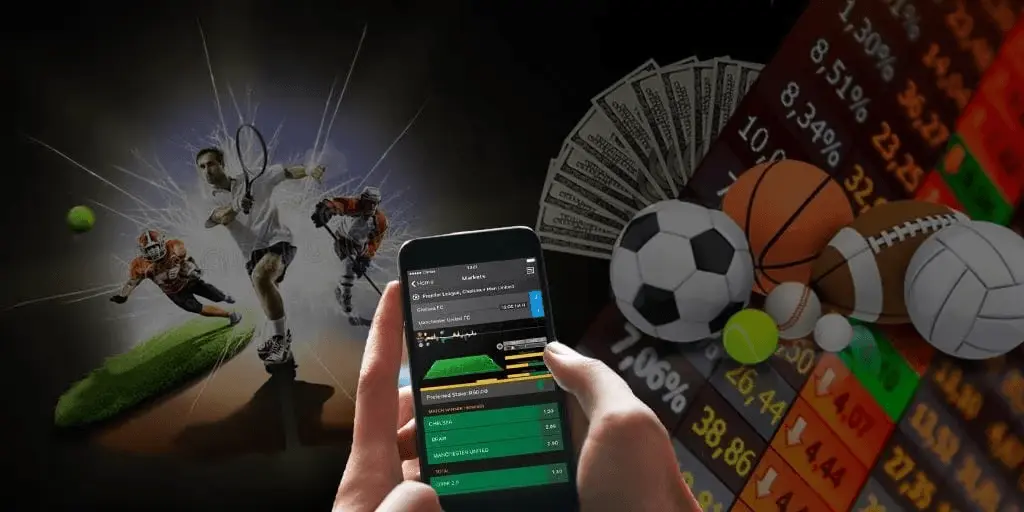
Sports betting used to be fairly functional. You opened a market, picked a team or player, placed the bet and left. The platform itself did not need much personality because the sport was doing most of the work. That has changed. Modern sportsbooks are competing not only on odds, but on how the whole product feels. Navigation, personalisation, live updates and account features now shape the betting experience almost as much as the markets themselves. For players who are used to games that react quickly and remember what they like, a sportsbook that feels slow or badly organised can seem dated almost immediately.
The interface has to get out of the way
Gaming platforms learned this years ago. If a menu is confusing, people stop using it. If important information is buried, the experience feels heavier than it should. Sportsbooks face the same problem. A football bettor may want one league, one match and one market. They should not have to scroll through twenty unrelated competitions first. The better platforms make common actions obvious and keep the bet slip close without filling the screen with noise. That sounds basic, but it is one of the biggest differences between an average sportsbook and a more premium betting product.
Personalisation is becoming part of the service
Games often remember what players opened last, which modes they use and where they left off. Sport betting is moving in the same direction. A regular bettor might prefer Premier League football, tennis and live basketball. There is little reason to show them the exact same homepage as someone who follows cricket and esports. Personalised promotions and more relevant market suggestions can make the betting experience feel less generic, especially for customers who use the same platform every week. That is also where premium betting starts to mean something beyond a larger bonus. If the service is genuinely premium, it should know enough about the customer to make the account easier to use.
Live betting has changed the pace completely
Pre-match betting is still important, but live markets have made sportsbooks much more dynamic. Prices change. Markets open and close. A match that looked uninteresting before kickoff can suddenly become the one everyone is watching. That creates a much more game-like pace. The user is not simply reading a static list anymore. They are following an event that keeps changing, with the interface updating around it. For that to work well, speed matters. So does clarity. A platform can have hundreds of live markets and still feel poor if the user cannot find the one they want quickly enough.
Premium betting is really about consistency
The word “premium” gets used too easily. It should not only mean VIP branding or an exclusive promotion. A premium betting experience is usually built from smaller things working properly every time: reliable account access, clear payments, responsive support, relevant offers and a sportsbook that does not feel cluttered. The more often somebody uses the platform, the more those details matter. The welcome offer is remembered for a few days. A frustrating interface is remembered every weekend.
The sportsbook is becoming part of the entertainment
This is probably the biggest change. The sport is still the reason people arrive, but the platform now shapes how they follow it. A good sportsbook can make a busy Saturday easier to navigate. A poor one can make even a simple bet feel like work. That is why sports betting platforms are starting to borrow more from gaming design. They are no longer only places where a bet is placed. They are becoming part of the overall betting experience.

Rummy has made the move to mobile particularly well. A game that once meant finding a deck, a table and enough people to play can now be practised on an Android phone in a few minutes.
But searching for a rummy app can quickly become confusing. There are different rule sets, different numbers of cards, online and offline modes, and apps that use the word “rummy” for games that are quite different from the Indian 13-card format.
Before installing anything, it helps to know exactly what you are looking for.
Start With the Rummy Variant
The first thing to check is the version of rummy offered by the app.
For players familiar with Indian Rummy, the important phrase is usually 13-card rummy. Each player receives 13 cards and tries to arrange them into valid sequences and sets.
A typical winning arrangement requires at least two sequences, including a pure sequence. A pure sequence contains consecutive cards of the same suit without using a joker as a substitute.
This matters because an app built around another rummy variant may have different card counts, scoring rules or requirements for a valid declaration.
Check What the Download Page Actually Tells You
A useful app page should provide more than a download button.
Before installing, look for basic information such as:
- Android compatibility
- app version and file details
- the rummy format included
- installation instructions
- whether an internet connection is required
- gameplay or rules information
Players specifically looking for a traditional Android version can use a Rummy Download page that explains the 13-card Indian Rummy format alongside the app information.
That context is useful because it lets you understand the game before installing it instead of discovering the rules after opening the app.
Understand Sequences Before Your First Game
The sequence system is one of the most important parts of 13-card Indian Rummy.
A sequence is a group of consecutive cards from the same suit. For example:
5♥ – 6♥ – 7♥
is a straightforward sequence.
A pure sequence follows the natural order without replacing a missing card with a joker. An impure sequence can use a joker where the rules allow it.
New players often concentrate on making sets and overlook the pure-sequence requirement. Learning this distinction before playing makes the first few games much easier to follow.
Sets Are Different From Sequences
A set normally contains cards of the same rank but different suits.
For example:
8♣ – 8♦ – 8♥
forms a set.
The difference sounds simple, but it becomes important when sorting 13 cards on a small mobile screen. A good rummy interface should make it easy to rearrange cards and identify possible groups without obscuring suits or ranks.
Look at the Interface, Not Just the Graphics
Card games do not need complicated graphics to work well on mobile. Clarity matters more.
Cards should be large enough to read, suits should be easy to distinguish and controls should not cover important parts of the hand. Sorting and grouping cards should also feel natural.
This becomes particularly important on smaller Android devices, where an interface designed mainly for large screens can make a simple card game unnecessarily difficult to use.
Check Android Compatibility
Not every Android device runs the same operating-system version or has the same amount of storage available.
Before downloading, check whether the app supports your Android version and whether there is enough free space on the device.
If an Android package is being installed directly rather than through an app store, the phone may also ask for permission to install an app from that particular source. Android users should review the file source and requested permissions before continuing.
An ordinary card game should not need access to unrelated parts of the phone simply to deal cards and record gameplay.
Online and Offline Play Are Not the Same
Another detail worth checking is whether the app requires a constant internet connection.
Offline play can be useful for practising card grouping, learning sequences and becoming familiar with the interface. Online modes may add multiplayer features but naturally depend on network availability.
Neither format is automatically better. The useful option depends on whether you want to learn the rules, practise independently or play with other people.
Learn the Game Before Playing Quickly
Mobile interfaces make it easy to move through a card game quickly, but speed is not particularly useful when the underlying rules are unclear.
New players are better served by first understanding:
- how the 13 cards are dealt,
- what qualifies as a pure sequence,
- how impure sequences work,
- how sets are formed, and
- what makes a declaration valid.
Once those basics are familiar, the digital version becomes much easier to follow.
Final Thoughts
A good Android rummy experience starts before the first hand is dealt.
Check that the app actually supports the rummy variant you want, understand its sequence and set rules, confirm Android compatibility and read the installation information rather than choosing an app based only on its name or screenshots.
For 13-card Indian Rummy in particular, understanding the pure-sequence rule is the best place to start. Once that foundation is clear, both the cards and the mobile interface become considerably easier to manage.

An online casino used to feel much more like a website you visited with a game already in mind. You wanted roulette, so you found roulette. You wanted a slot, so you went into the slot section and picked one. Casino apps have changed that behaviour. Now a lot of the experience happens before the game even opens.
The lobby has become part of the entertainment
A modern casino app can hold hundreds of titles, which creates a strange problem. Having more games sounds useful until you actually have to choose one. That is why the lobby has become much more important. New releases sit beside popular games. Recently played titles come back to the front. Live casino has its own area, and slots may be broken into smaller groups rather than thrown into one enormous list. The app is not only storing games anymore. It is helping people decide what to open.
Phones encourage more jumping between games
Desktop casino sessions can feel more settled. On a phone, switching takes almost no effort. A player might open Aviator for a few rounds, move into a slot, check a live blackjack table and then return to something they played earlier. That kind of movement suits apps because the whole casino stays close. There is no need to open another browser tab, search again or reload the homepage every time. Once someone chooses a bet app download, that convenience becomes one of the main reasons to keep using the app rather than returning to the browser.
Recently played may matter more than recommendations
Recommendation systems get plenty of attention, but one of the most useful features is much simpler. Remember what I played. Casino libraries are now large enough that finding the same game again can be surprisingly annoying. A recently played section solves that without needing complicated technology. It also fits the way people actually use entertainment apps. Streaming services remember unfinished shows. Music apps keep recent albums close. Casino apps are doing much the same thing with games.
Different games need different mobile treatment
Not every casino title fits naturally onto a phone. Slots usually adapt easily because most of the important action happens in the centre of the screen. Aviator is similarly compact. Roulette creates more trouble because the betting grid contains a lot of small areas. Live casino has to fit the dealer, table and controls into the same display without making any of them feel squeezed. That means the app cannot simply shrink every desktop game by the same amount. Good mobile design is more selective than that.
Game loading matters more when people browse
There is another consequence of moving between games more often. Loading time becomes noticeable. If every new title takes too long to open, browsing starts feeling like work. Apps therefore need to handle game launches smoothly, especially when titles come from several different providers. The technical side is mostly invisible when it works.
The casino app has become a game library in its own right
This is probably the bigger shift. People are not only using casino apps to access games they already know. They are using them to find the next one. The home screen, search, recently played list and game categories all influence what gets opened next. That makes the app itself part of the casino experience rather than just a container around it. The games still matter most. But increasingly, the way people discover those games matters almost as much.
-

 Finance3 years ago
Profitable Intraday Trading Advice For Novices
-

 Gaming3 years ago
Pixel Speedrun Unblocked Games 66
-

 Gaming4 years ago
Subway Surfers Unblocked | Subway Surfers Unblocked 66
-

 Internet3 years ago
Welcome to banghechoigame.vn – Your One-Stop Destination for Online Gaming Fun!
-

 Gaming4 years ago
Minecraft Unblocked Games 66 | Unblocked Games Minecraft
-

 Gaming4 years ago
Google Baseball Unblocked | Google Doodle Baseball Unblocked 66
-

 Gaming4 years ago
Tunnel Rush Unblocked | Tunnel Rush Unblocked 66
-

 Internet3 years ago
Premium Games Unblocked: Unleash Your Gaming Potential