

Gaming
Gaming Reward Design Has Spent Thirty Years Moving in One Direction


Every browser game with an unlock screen was teaching the same lesson that slot machines had been teaching long before the internet existed. Play long enough, hit the right moment, and something new appears. The reward was virtual and the stakes were imaginary, but the underlying logic was not: unpredictable outcomes at variable intervals produce stronger engagement than fixed rewards on a predictable schedule. That architecture came from spinning reels, which had been running it for decades.
The players who grew up on browser unlocks developed expectations that slot and casino designers would recognise immediately: rewards should feel earned, arrive at the right moment, and make the next session worth starting. Gaming and casino reward design have been running on parallel tracks for thirty years, sharing the same psychological foundation, and at each stage of gaming’s evolution the distance between those two tracks has narrowed.
Achievements Turned the Unlock Screen Into a Platform Feature
Steam Achievements systematised what browser games had done informally. A permanent progress record across an entire library, visible to other players, attached to your platform identity. What game designers were calling a variable reward schedule in their documentation was the same architecture that slot designers had been running for decades before the first Steam game launched. Both industries had reached the same conclusion: the most engaging systems are ones where the player cannot predict exactly when the next payoff arrives.
CS:GO case openings made the connection explicit inside mainstream gaming. Players paid a small amount for a randomised outcome with variable value: a rare knife skin, a common weapon finish, everything in between. That is a slot mechanic by design.
The Steam Marketplace then gave those outcomes real exchange value, meaning the pull-and-reveal structure that drives spinning reels was producing items worth genuine money inside one of the world’s largest gaming platforms. Mobile gacha systems scaled the same model further. Players spent real money to receive randomised virtual rewards. By the mid-2010s, the gaming economy had normalised a version of slot logic that operated at every price point.
The Steam Deck made this convergence physical. A device that carries a full gaming library also sits comfortably alongside casino platforms where the reward structures, including free spins with real money, are built on exactly the mechanics that CS:GO cases, gacha pulls, and Steam’s trading card drops had already made familiar to the gaming audience. The free spin arrives without upfront cost. Its value is real. The player evaluating it already has the vocabulary, because gaming spent years teaching them a slightly lower-stakes version of the same thing.
F2P Design and Slot Mechanics Share the Same Blueprint
The variable reward schedule has been the subject of Game Developers Conference sessions on F2P monetisation and live-service design for years. The consistent finding is that unpredictable rewards at meaningful intervals produce better engagement than fixed-reward structures. Slot machines were running this architecture for decades before mobile gaming codified it in developer documentation. Free spins work for the same reason slot reels do: the outcome is uncertain, the anticipation is real, and the resolution arrives after a period of variable length that the player cannot control.
The first-time casino bonus, free spins with no deposit required, mirrors the free-to-play starter pack that mobile games have used to convert casual interest into active accounts. Casino floors introduced complimentary slot play long before mobile gaming existed for the same reason: remove the first-spend barrier and let the reward loop do the retention work. The design logic is identical across the two formats.
Browser Games Were Always Part of This Lineage
The browser games ecosystem has always included simple slot-style mechanics alongside platformers and puzzles: the spin-to-win bonus, the scratch card format, the randomised reward wheel. These existed inside browser gaming before online casinos became a mainstream category. The casual browser slot and the real-money free spin share the same underlying structure. The difference is not the mechanic. It is what the mechanic pays out.
The progression from a browser unlock screen through Steam Achievements, CS:GO case openings, gacha pulls, and on to real-money free spin bonuses is not a series of separate developments. It is one continuous evolution of the same reward architecture, applied at progressively higher stakes. Players who started in browser gaming find each layer intuitive because the design has not changed. The currency and the payout changed. The spin is the same one it has always been.
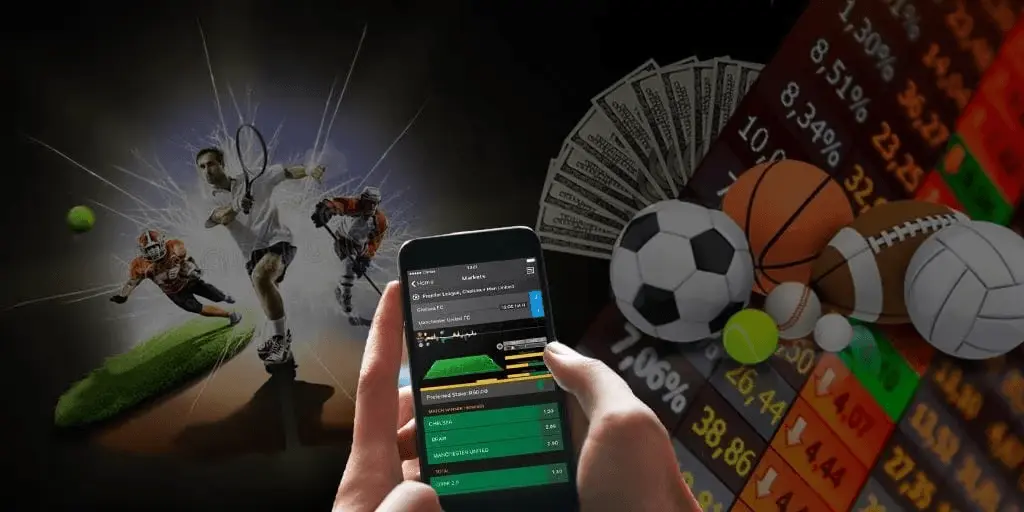
Sports betting used to be fairly functional. You opened a market, picked a team or player, placed the bet and left. The platform itself did not need much personality because the sport was doing most of the work. That has changed. Modern sportsbooks are competing not only on odds, but on how the whole product feels. Navigation, personalisation, live updates and account features now shape the betting experience almost as much as the markets themselves. For players who are used to games that react quickly and remember what they like, a sportsbook that feels slow or badly organised can seem dated almost immediately.
The interface has to get out of the way
Gaming platforms learned this years ago. If a menu is confusing, people stop using it. If important information is buried, the experience feels heavier than it should. Sportsbooks face the same problem. A football bettor may want one league, one match and one market. They should not have to scroll through twenty unrelated competitions first. The better platforms make common actions obvious and keep the bet slip close without filling the screen with noise. That sounds basic, but it is one of the biggest differences between an average sportsbook and a more premium betting product.
Personalisation is becoming part of the service
Games often remember what players opened last, which modes they use and where they left off. Sport betting is moving in the same direction. A regular bettor might prefer Premier League football, tennis and live basketball. There is little reason to show them the exact same homepage as someone who follows cricket and esports. Personalised promotions and more relevant market suggestions can make the betting experience feel less generic, especially for customers who use the same platform every week. That is also where premium betting starts to mean something beyond a larger bonus. If the service is genuinely premium, it should know enough about the customer to make the account easier to use.
Live betting has changed the pace completely
Pre-match betting is still important, but live markets have made sportsbooks much more dynamic. Prices change. Markets open and close. A match that looked uninteresting before kickoff can suddenly become the one everyone is watching. That creates a much more game-like pace. The user is not simply reading a static list anymore. They are following an event that keeps changing, with the interface updating around it. For that to work well, speed matters. So does clarity. A platform can have hundreds of live markets and still feel poor if the user cannot find the one they want quickly enough.
Premium betting is really about consistency
The word “premium” gets used too easily. It should not only mean VIP branding or an exclusive promotion. A premium betting experience is usually built from smaller things working properly every time: reliable account access, clear payments, responsive support, relevant offers and a sportsbook that does not feel cluttered. The more often somebody uses the platform, the more those details matter. The welcome offer is remembered for a few days. A frustrating interface is remembered every weekend.
The sportsbook is becoming part of the entertainment
This is probably the biggest change. The sport is still the reason people arrive, but the platform now shapes how they follow it. A good sportsbook can make a busy Saturday easier to navigate. A poor one can make even a simple bet feel like work. That is why sports betting platforms are starting to borrow more from gaming design. They are no longer only places where a bet is placed. They are becoming part of the overall betting experience.

Rummy has made the move to mobile particularly well. A game that once meant finding a deck, a table and enough people to play can now be practised on an Android phone in a few minutes.
But searching for a rummy app can quickly become confusing. There are different rule sets, different numbers of cards, online and offline modes, and apps that use the word “rummy” for games that are quite different from the Indian 13-card format.
Before installing anything, it helps to know exactly what you are looking for.
Start With the Rummy Variant
The first thing to check is the version of rummy offered by the app.
For players familiar with Indian Rummy, the important phrase is usually 13-card rummy. Each player receives 13 cards and tries to arrange them into valid sequences and sets.
A typical winning arrangement requires at least two sequences, including a pure sequence. A pure sequence contains consecutive cards of the same suit without using a joker as a substitute.
This matters because an app built around another rummy variant may have different card counts, scoring rules or requirements for a valid declaration.
Check What the Download Page Actually Tells You
A useful app page should provide more than a download button.
Before installing, look for basic information such as:
- Android compatibility
- app version and file details
- the rummy format included
- installation instructions
- whether an internet connection is required
- gameplay or rules information
Players specifically looking for a traditional Android version can use a Rummy Download page that explains the 13-card Indian Rummy format alongside the app information.
That context is useful because it lets you understand the game before installing it instead of discovering the rules after opening the app.
Understand Sequences Before Your First Game
The sequence system is one of the most important parts of 13-card Indian Rummy.
A sequence is a group of consecutive cards from the same suit. For example:
5♥ – 6♥ – 7♥
is a straightforward sequence.
A pure sequence follows the natural order without replacing a missing card with a joker. An impure sequence can use a joker where the rules allow it.
New players often concentrate on making sets and overlook the pure-sequence requirement. Learning this distinction before playing makes the first few games much easier to follow.
Sets Are Different From Sequences
A set normally contains cards of the same rank but different suits.
For example:
8♣ – 8♦ – 8♥
forms a set.
The difference sounds simple, but it becomes important when sorting 13 cards on a small mobile screen. A good rummy interface should make it easy to rearrange cards and identify possible groups without obscuring suits or ranks.
Look at the Interface, Not Just the Graphics
Card games do not need complicated graphics to work well on mobile. Clarity matters more.
Cards should be large enough to read, suits should be easy to distinguish and controls should not cover important parts of the hand. Sorting and grouping cards should also feel natural.
This becomes particularly important on smaller Android devices, where an interface designed mainly for large screens can make a simple card game unnecessarily difficult to use.
Check Android Compatibility
Not every Android device runs the same operating-system version or has the same amount of storage available.
Before downloading, check whether the app supports your Android version and whether there is enough free space on the device.
If an Android package is being installed directly rather than through an app store, the phone may also ask for permission to install an app from that particular source. Android users should review the file source and requested permissions before continuing.
An ordinary card game should not need access to unrelated parts of the phone simply to deal cards and record gameplay.
Online and Offline Play Are Not the Same
Another detail worth checking is whether the app requires a constant internet connection.
Offline play can be useful for practising card grouping, learning sequences and becoming familiar with the interface. Online modes may add multiplayer features but naturally depend on network availability.
Neither format is automatically better. The useful option depends on whether you want to learn the rules, practise independently or play with other people.
Learn the Game Before Playing Quickly
Mobile interfaces make it easy to move through a card game quickly, but speed is not particularly useful when the underlying rules are unclear.
New players are better served by first understanding:
- how the 13 cards are dealt,
- what qualifies as a pure sequence,
- how impure sequences work,
- how sets are formed, and
- what makes a declaration valid.
Once those basics are familiar, the digital version becomes much easier to follow.
Final Thoughts
A good Android rummy experience starts before the first hand is dealt.
Check that the app actually supports the rummy variant you want, understand its sequence and set rules, confirm Android compatibility and read the installation information rather than choosing an app based only on its name or screenshots.
For 13-card Indian Rummy in particular, understanding the pure-sequence rule is the best place to start. Once that foundation is clear, both the cards and the mobile interface become considerably easier to manage.

An online casino used to feel much more like a website you visited with a game already in mind. You wanted roulette, so you found roulette. You wanted a slot, so you went into the slot section and picked one. Casino apps have changed that behaviour. Now a lot of the experience happens before the game even opens.
The lobby has become part of the entertainment
A modern casino app can hold hundreds of titles, which creates a strange problem. Having more games sounds useful until you actually have to choose one. That is why the lobby has become much more important. New releases sit beside popular games. Recently played titles come back to the front. Live casino has its own area, and slots may be broken into smaller groups rather than thrown into one enormous list. The app is not only storing games anymore. It is helping people decide what to open.
Phones encourage more jumping between games
Desktop casino sessions can feel more settled. On a phone, switching takes almost no effort. A player might open Aviator for a few rounds, move into a slot, check a live blackjack table and then return to something they played earlier. That kind of movement suits apps because the whole casino stays close. There is no need to open another browser tab, search again or reload the homepage every time. Once someone chooses a bet app download, that convenience becomes one of the main reasons to keep using the app rather than returning to the browser.
Recently played may matter more than recommendations
Recommendation systems get plenty of attention, but one of the most useful features is much simpler. Remember what I played. Casino libraries are now large enough that finding the same game again can be surprisingly annoying. A recently played section solves that without needing complicated technology. It also fits the way people actually use entertainment apps. Streaming services remember unfinished shows. Music apps keep recent albums close. Casino apps are doing much the same thing with games.
Different games need different mobile treatment
Not every casino title fits naturally onto a phone. Slots usually adapt easily because most of the important action happens in the centre of the screen. Aviator is similarly compact. Roulette creates more trouble because the betting grid contains a lot of small areas. Live casino has to fit the dealer, table and controls into the same display without making any of them feel squeezed. That means the app cannot simply shrink every desktop game by the same amount. Good mobile design is more selective than that.
Game loading matters more when people browse
There is another consequence of moving between games more often. Loading time becomes noticeable. If every new title takes too long to open, browsing starts feeling like work. Apps therefore need to handle game launches smoothly, especially when titles come from several different providers. The technical side is mostly invisible when it works.
The casino app has become a game library in its own right
This is probably the bigger shift. People are not only using casino apps to access games they already know. They are using them to find the next one. The home screen, search, recently played list and game categories all influence what gets opened next. That makes the app itself part of the casino experience rather than just a container around it. The games still matter most. But increasingly, the way people discover those games matters almost as much.



Why sports betting platforms are starting to feel more like gaming platforms
Click to rate this post! [Total: 0 Average: 0] Sports betting used to be fairly functional. You opened a market,...

Rummy on Android: What to Check Before Downloading a 13-Card Rummy App
Click to rate this post! [Total: 0 Average: 0] Rummy has made the move to mobile particularly well. A game...


Casino Apps Are Changing the Way People Discover Games
Click to rate this post! [Total: 0 Average: 0] An online casino used to feel much more like a website...


Roobet Promo Code – What Exclusive Bonus Does It Unlock?
Click to rate this post! [Total: 0 Average: 0] Crypto casinos look similar until the welcome package is unpacked. Sign-up...

Are Pokémon Cards a Real Alternative Asset
Click to rate this post! [Total: 0 Average: 0] The shiny pieces of cardboard you traded in the schoolyard are...


6 Mistakes Even Experienced Tongits Players Make (And How to Fix Them)
Click to rate this post! [Total: 0 Average: 0] Every experienced Tongits player thinks they have the game entirely figured...


Gaming Reward Design Has Spent Thirty Years Moving in One Direction
Click to rate this post! [Total: 3 Average: 3.7] Every browser game with an unlock screen was teaching the same...


Mouse P.I. For Hire Review: What Makes It Interesting and How to Play
Click to rate this post! [Total: 0 Average: 0] What Is Interesting About This Game? A Noir Story Meets Rubber...


How Sports Video Games Keep Fans Engaged Between Matchdays
Click to rate this post! [Total: 0 Average: 0] Sports fandom does not pause when the final whistle sounds. Between...


ผลกระทบที่แท้จริงของการถอนเงินล่าช้าต่อเว็บไซต์ เวบสล็อต ยุคใหม่
Click to rate this post! [Total: 0 Average: 0] อุตสาหกรรมเกมออนไลน์เปลี่ยนแปลงอย่างรวดเร็วในช่วงไม่กี่ปีที่ผ่านมา ปัจจุบันผู้ใช้งานไม่ได้ตัดสินแพลตฟอร์มจากแค่ภาพลักษณ์ โปรโมชั่น หรือจำนวนเกมอีกต่อไป มาตรฐานของผู้ใช้งานสูงขึ้นมาก โดยเฉพาะในเรื่องความน่าเชื่อถือและประสบการณ์ใช้งานโดยรวม หนึ่งในปัญหาที่ค่อย ๆ ทำลายหลายแพลตฟอร์มในปัจจุบัน คือการดำเนินการถอนเงินที่ล่าช้า ในช่วงแรก...
Why sports betting platforms are starting to feel more like gaming platforms
Rummy on Android: What to Check Before Downloading a 13-Card Rummy App

The PC Hardware and Accessories That Actually Make a Difference to Your Setup
Casino Apps Are Changing the Way People Discover Games
Roobet Promo Code – What Exclusive Bonus Does It Unlock?
Are Pokémon Cards a Real Alternative Asset
6 Mistakes Even Experienced Tongits Players Make (And How to Fix Them)

Desert Air Cooler vs AC in 2026: Which One Saves More After the BEE Star Rating Price Hike?

5 Things Families Should Consider When Exploring Living Options
Gaming Reward Design Has Spent Thirty Years Moving in One Direction
-

 Finance3 years ago
Profitable Intraday Trading Advice For Novices
-

 Gaming3 years ago
Pixel Speedrun Unblocked Games 66
-

 Gaming4 years ago
Subway Surfers Unblocked | Subway Surfers Unblocked 66
-

 Internet3 years ago
Welcome to banghechoigame.vn – Your One-Stop Destination for Online Gaming Fun!
-

 Gaming4 years ago
Minecraft Unblocked Games 66 | Unblocked Games Minecraft
-

 Gaming4 years ago
Google Baseball Unblocked | Google Doodle Baseball Unblocked 66
-

 Gaming4 years ago
Tunnel Rush Unblocked | Tunnel Rush Unblocked 66
-

 Internet3 years ago
Premium Games Unblocked: Unleash Your Gaming Potential