

Gaming
COUNTER-STRIKE 1.6 IN 2026

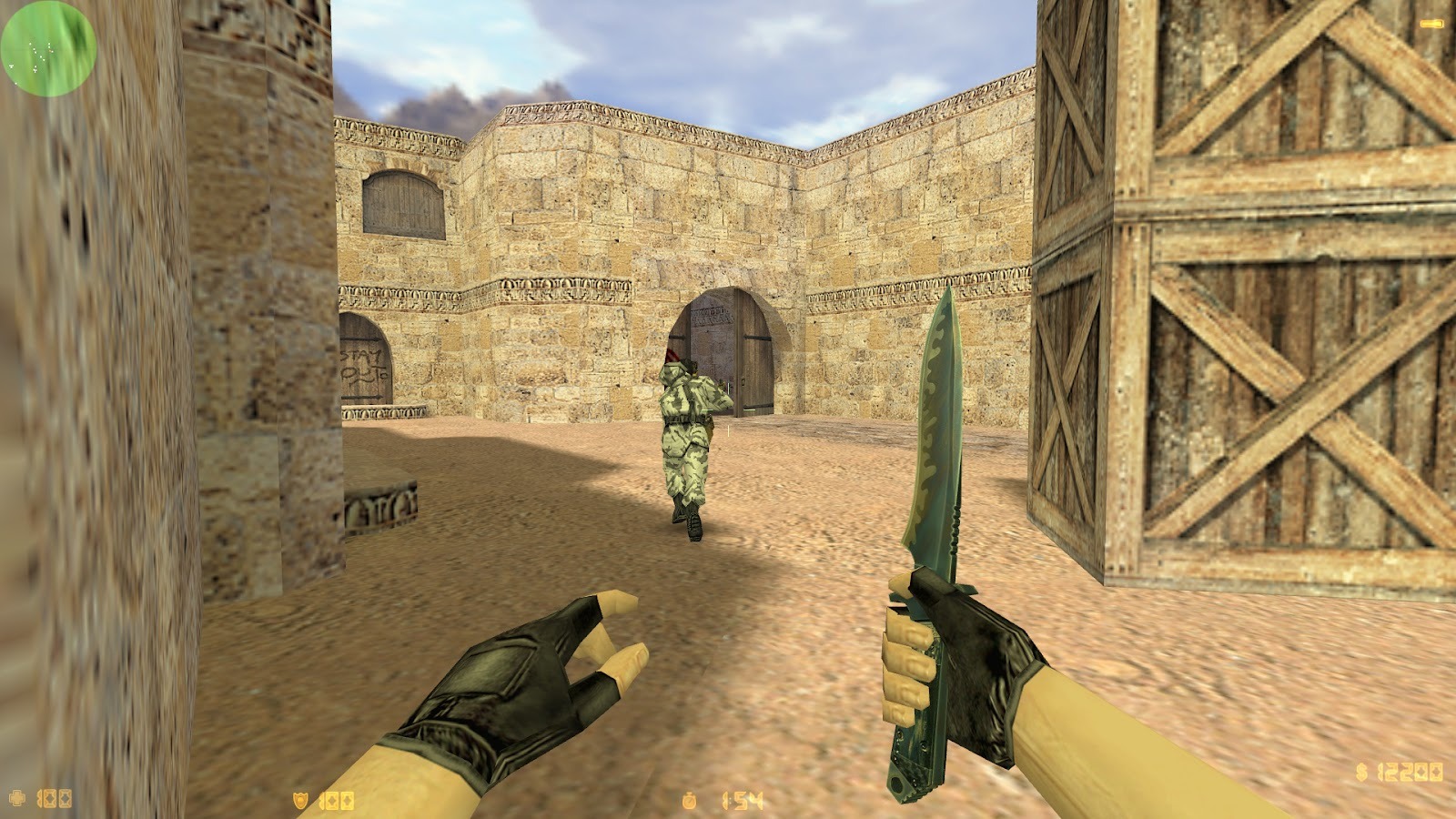
Picture this: you boot up that old GoldSrc engine in 2026, the familiar menu music hits, and suddenly you’re 15 again, heart pounding before a big round. The game Valve stopped updating ages ago refuses to fade. Instead, it’s evolving faster than ever because real players – not corporations – keep breathing life into it. Nostalgia pulls veterans back, low specs welcome newcomers, and pure skill-based chaos keeps everyone hooked. This legendary title is far from retired; it’s a living, breathing beast thanks to the community that never quit.
THE UNSTOPPABLE RISE OF A LEGEND IN 2026
Counter-Strike 1.6 hit its peak years ago, yet here we are in 2026 with thousands of active servers every single day. Why? Because it runs on basically any PC you own – no fancy graphics card required. You get that raw, responsive feel modern shooters often lose. The economy system still rewards smart plays, and every headshot feels earned. But the real magic? The game never stopped growing. While big titles chase trends, this classic stays true to what made it addictive: tactical depth mixed with explosive moments. Veterans chase old glory, new players discover the roots of competitive FPS, and everyone wins.
THE COMMUNITY THAT REFUSES TO LET IT DIE
You already know the story – Valve moved on, but the players stepped up like true legends. Dedicated groups CS keep the game stable and secure on today’s hardware. Tools and tweaks ensure smooth performance without changing the core feel you love. Server owners run 24/7 lobbies, modders drop fresh content weekly, and clans organize local LAN events that still pack venues in places like Central Asia. It’s player-owned chaos at its finest. No waiting for official patches – the community delivers faster than a rush on B-site. This DIY spirit turned a 2000 title into an immortal playground where friendships outlast any update.
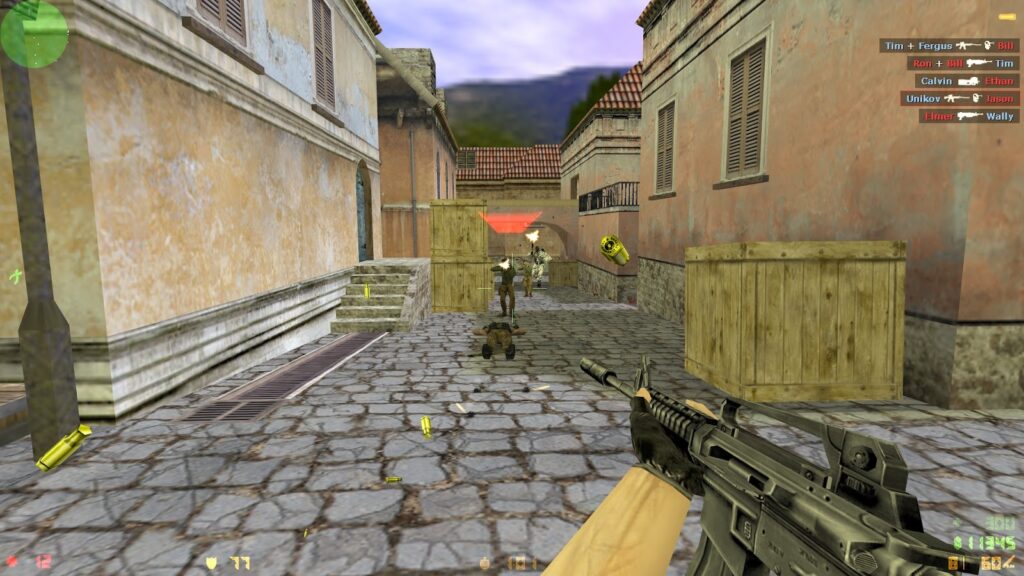
TOP 20 BEST MAPS THE COMMUNITY HAS CREATED
The official maps are iconic, but the community went wild and built hundreds more that define servers today. Here’s the definitive top 20 community-crafted gems that keep you coming back round after round, each with its own addictive personality.
- fy_iceworld – The slippery ice arena where gravity feels optional and every corner hides chaos. You bhop across frozen platforms, landing perfect sprays while enemies slide into your line of fire. It’s the map that taught generations that fun beats strategy sometimes.
- fy_pool_day – Sunny poolside mayhem with water hiding sneaky flanks and boosts launching you into epic jumps. Dive in for casual frags or intense 24/7 battles – the bright vibes never get old.
- awp_india – Temple-inspired sniper paradise with long sightlines and tight chokepoints. Perfect for those clutch long-range duels that make your heart race.
- aim_headshot – The ultimate precision playground where headshots are the only currency. Hone your aim in endless duels and walk away a sharper player every time.
- de_rats – Tiny sewer tunnels packed with ambushes and knife fights. The claustrophobic layout turns every angle into a deadly trap.
- awp_arena – Open-sky AWP-only battlefield designed for pure long-range skill. One mistake and you’re done – pure tension in every round.
- de_kabul – Desert warfare with winding streets and rooftop peeks. Community tweaks made rotations smoother than ever.
- cs_assault_1337 – Upgraded classic hostage rescue with modern lighting and fresh paths. The upgrades feel seamless while keeping the tense hostage drama alive.
- de_westwood – Wild-west town complete with saloons and dusty alleys. Feels like a movie set where every window hides a threat.
- de_barcelona – European city streets lined with balconies and narrow passages. Strategic depth meets beautiful architecture you actually notice mid-fight.
- de_abaddon – Dark hellish fortress full of vertical drops and trap-like rooms. The atmosphere alone gives you chills before the first shot.
- de_alexandra – Elegant mansion battles with crystal chandeliers and hidden corridors. Perfect balance of beauty and brutal close-quarters combat.
- cs_italy2 – Remastered Italian villa loaded with new hostage routes. The sunny courtyard still delivers those classic tense rescues.
- de_cpl_strike – Balanced competitive layout favored in serious servers. Every angle rewards smart positioning and team play.
- de_dust2002 – Community-updated dust variant with smoother flow and fresh details. Nostalgia hits hard but gameplay feels even better.
- de_lab – Science-lab horror with glowing test tubes and narrow vents. Sneaky vertical plays make it endlessly replayable.
- cs_disco – Flashing lights and thumping music turn every round into a party. The chaotic energy keeps the mood light even in fierce fights.
- aim_ak47cast – AK-focused training ground built for mastering spray control and one-taps. Spend an hour here and your muscle memory levels up instantly.
- de_torresvilches – Newer community addition featuring unique Spanish-style architecture and clever sightlines. Fresh design keeps veteran servers exciting.
- de_ydinsota – Nuclear-themed defusal map packed with glowing reactors and tense bomb sites. The high-stakes atmosphere never fails to deliver adrenaline.
These maps prove the community doesn’t just play – it creates entire worlds that keep the game fresh year after year.
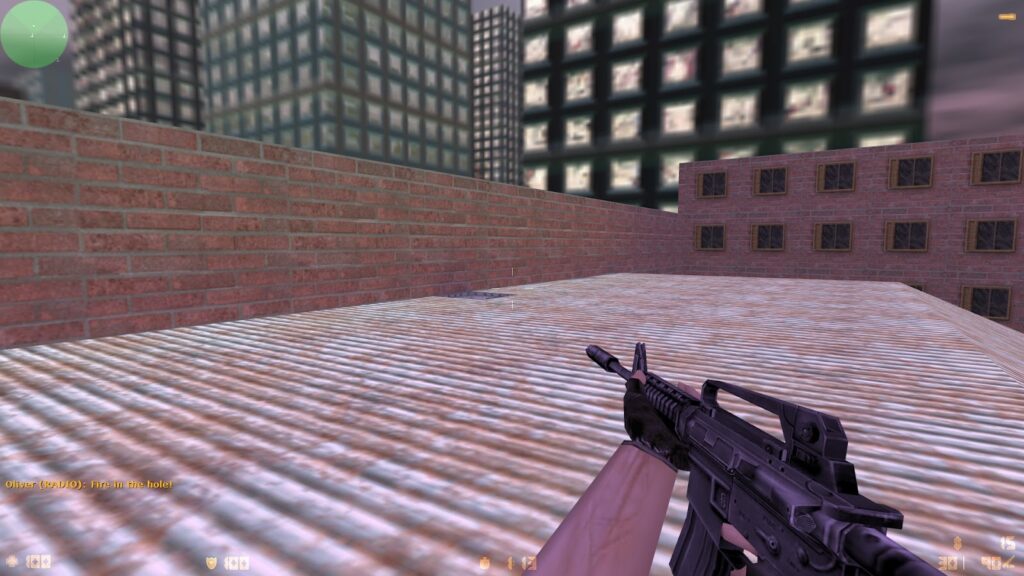
TOP 5 POPULAR GAME MODES CREATED BY THE COMMUNITY IN THE LAST 10 YEARS
While classic defusal still rules, the community cooked up (and refined) modes that turned servers into addiction machines. Here are the top five that exploded in popularity over the past decade:
- Zombie Mod – Humans versus the infected horde in a race against spreading terror. Survive waves, buy upgrades, or turn into a zombie yourself – the infection mechanics keep rounds unpredictable and terrifyingly fun.
- CSDM (Counter-Strike DeathMatch) – Instant respawn with no economy stress. Non-stop frags let you warm up or grind kills for hours without waiting for round resets.
- Gun Game – Progressive weapon ladder where every kill upgrades your arsenal. The race to the golden knife creates hilarious comebacks and pure skill tests.
- Surf – Master ramps, slides, and air strafes in breathtaking courses. The movement mastery feels like an entirely new game inside your favorite shooter.
- Jailbreak – Prison roleplay where guards command prisoners with special rules and rebellions. The mix of commands, teamwork, and betrayal creates endless stories every session.
These modes prove the community didn’t just tweak the original – they invented whole new ways to love the game.
HOW THE COMMUNITY KEEPS PROMOTING THE GAME
You see it everywhere: veterans teaching newcomers the perfect spray patterns, clans recruiting through epic highlight clips, and server admins running events that feel like old-school LAN parties. The community spreads the word by keeping servers alive around the clock, organizing regional tournaments that crown local heroes, and simply sharing stories of legendary clutches that get passed down like folklore. In the vibrant world of cs, players become mappers, modders, and mentors. They fix compatibility issues, host newbie-friendly lobbies, and celebrate every milestone together. That passion turns casual players into lifelong fans and keeps the legend growing stronger every single year.
So next time you crave that pure, heart-pounding FPS rush, remember this: Counter-Strike 1.6 isn’t just hanging on – it’s thriving because of you and thousands like you. Fire up those community maps, jump into a wild mode, pull off that epic clutch, and create new memories that will last another 25 years. The servers are waiting, the legends are still writing themselves, and the best part? You can be part of it right now. Go ahead and grab counter strike 1.6 download pc – the chaos is calling, and this time you’re ready to answer.
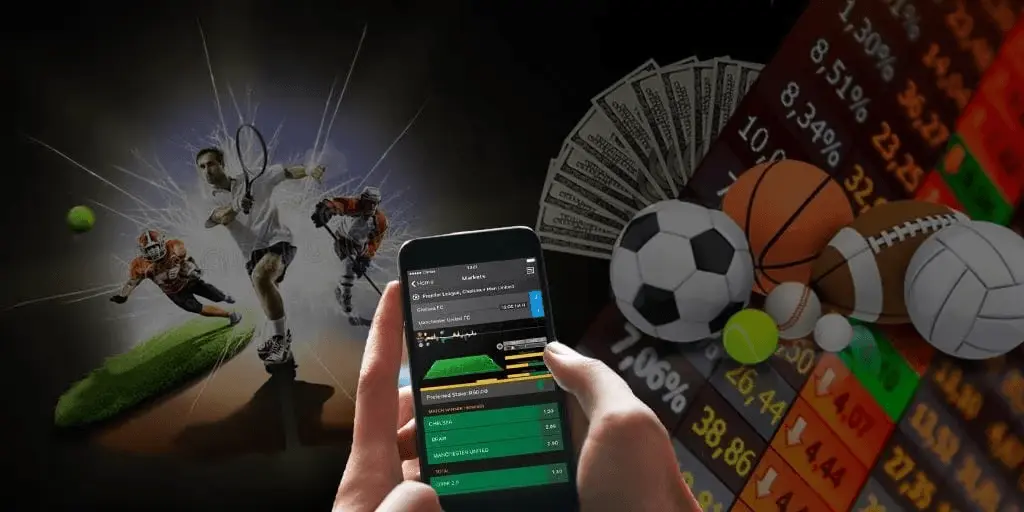
Sports betting used to be fairly functional. You opened a market, picked a team or player, placed the bet and left. The platform itself did not need much personality because the sport was doing most of the work. That has changed. Modern sportsbooks are competing not only on odds, but on how the whole product feels. Navigation, personalisation, live updates and account features now shape the betting experience almost as much as the markets themselves. For players who are used to games that react quickly and remember what they like, a sportsbook that feels slow or badly organised can seem dated almost immediately.
The interface has to get out of the way
Gaming platforms learned this years ago. If a menu is confusing, people stop using it. If important information is buried, the experience feels heavier than it should. Sportsbooks face the same problem. A football bettor may want one league, one match and one market. They should not have to scroll through twenty unrelated competitions first. The better platforms make common actions obvious and keep the bet slip close without filling the screen with noise. That sounds basic, but it is one of the biggest differences between an average sportsbook and a more premium betting product.
Personalisation is becoming part of the service
Games often remember what players opened last, which modes they use and where they left off. Sport betting is moving in the same direction. A regular bettor might prefer Premier League football, tennis and live basketball. There is little reason to show them the exact same homepage as someone who follows cricket and esports. Personalised promotions and more relevant market suggestions can make the betting experience feel less generic, especially for customers who use the same platform every week. That is also where premium betting starts to mean something beyond a larger bonus. If the service is genuinely premium, it should know enough about the customer to make the account easier to use.
Live betting has changed the pace completely
Pre-match betting is still important, but live markets have made sportsbooks much more dynamic. Prices change. Markets open and close. A match that looked uninteresting before kickoff can suddenly become the one everyone is watching. That creates a much more game-like pace. The user is not simply reading a static list anymore. They are following an event that keeps changing, with the interface updating around it. For that to work well, speed matters. So does clarity. A platform can have hundreds of live markets and still feel poor if the user cannot find the one they want quickly enough.
Premium betting is really about consistency
The word “premium” gets used too easily. It should not only mean VIP branding or an exclusive promotion. A premium betting experience is usually built from smaller things working properly every time: reliable account access, clear payments, responsive support, relevant offers and a sportsbook that does not feel cluttered. The more often somebody uses the platform, the more those details matter. The welcome offer is remembered for a few days. A frustrating interface is remembered every weekend.
The sportsbook is becoming part of the entertainment
This is probably the biggest change. The sport is still the reason people arrive, but the platform now shapes how they follow it. A good sportsbook can make a busy Saturday easier to navigate. A poor one can make even a simple bet feel like work. That is why sports betting platforms are starting to borrow more from gaming design. They are no longer only places where a bet is placed. They are becoming part of the overall betting experience.

Rummy has made the move to mobile particularly well. A game that once meant finding a deck, a table and enough people to play can now be practised on an Android phone in a few minutes.
But searching for a rummy app can quickly become confusing. There are different rule sets, different numbers of cards, online and offline modes, and apps that use the word “rummy” for games that are quite different from the Indian 13-card format.
Before installing anything, it helps to know exactly what you are looking for.
Start With the Rummy Variant
The first thing to check is the version of rummy offered by the app.
For players familiar with Indian Rummy, the important phrase is usually 13-card rummy. Each player receives 13 cards and tries to arrange them into valid sequences and sets.
A typical winning arrangement requires at least two sequences, including a pure sequence. A pure sequence contains consecutive cards of the same suit without using a joker as a substitute.
This matters because an app built around another rummy variant may have different card counts, scoring rules or requirements for a valid declaration.
Check What the Download Page Actually Tells You
A useful app page should provide more than a download button.
Before installing, look for basic information such as:
- Android compatibility
- app version and file details
- the rummy format included
- installation instructions
- whether an internet connection is required
- gameplay or rules information
Players specifically looking for a traditional Android version can use a Rummy Download page that explains the 13-card Indian Rummy format alongside the app information.
That context is useful because it lets you understand the game before installing it instead of discovering the rules after opening the app.
Understand Sequences Before Your First Game
The sequence system is one of the most important parts of 13-card Indian Rummy.
A sequence is a group of consecutive cards from the same suit. For example:
5♥ – 6♥ – 7♥
is a straightforward sequence.
A pure sequence follows the natural order without replacing a missing card with a joker. An impure sequence can use a joker where the rules allow it.
New players often concentrate on making sets and overlook the pure-sequence requirement. Learning this distinction before playing makes the first few games much easier to follow.
Sets Are Different From Sequences
A set normally contains cards of the same rank but different suits.
For example:
8♣ – 8♦ – 8♥
forms a set.
The difference sounds simple, but it becomes important when sorting 13 cards on a small mobile screen. A good rummy interface should make it easy to rearrange cards and identify possible groups without obscuring suits or ranks.
Look at the Interface, Not Just the Graphics
Card games do not need complicated graphics to work well on mobile. Clarity matters more.
Cards should be large enough to read, suits should be easy to distinguish and controls should not cover important parts of the hand. Sorting and grouping cards should also feel natural.
This becomes particularly important on smaller Android devices, where an interface designed mainly for large screens can make a simple card game unnecessarily difficult to use.
Check Android Compatibility
Not every Android device runs the same operating-system version or has the same amount of storage available.
Before downloading, check whether the app supports your Android version and whether there is enough free space on the device.
If an Android package is being installed directly rather than through an app store, the phone may also ask for permission to install an app from that particular source. Android users should review the file source and requested permissions before continuing.
An ordinary card game should not need access to unrelated parts of the phone simply to deal cards and record gameplay.
Online and Offline Play Are Not the Same
Another detail worth checking is whether the app requires a constant internet connection.
Offline play can be useful for practising card grouping, learning sequences and becoming familiar with the interface. Online modes may add multiplayer features but naturally depend on network availability.
Neither format is automatically better. The useful option depends on whether you want to learn the rules, practise independently or play with other people.
Learn the Game Before Playing Quickly
Mobile interfaces make it easy to move through a card game quickly, but speed is not particularly useful when the underlying rules are unclear.
New players are better served by first understanding:
- how the 13 cards are dealt,
- what qualifies as a pure sequence,
- how impure sequences work,
- how sets are formed, and
- what makes a declaration valid.
Once those basics are familiar, the digital version becomes much easier to follow.
Final Thoughts
A good Android rummy experience starts before the first hand is dealt.
Check that the app actually supports the rummy variant you want, understand its sequence and set rules, confirm Android compatibility and read the installation information rather than choosing an app based only on its name or screenshots.
For 13-card Indian Rummy in particular, understanding the pure-sequence rule is the best place to start. Once that foundation is clear, both the cards and the mobile interface become considerably easier to manage.

An online casino used to feel much more like a website you visited with a game already in mind. You wanted roulette, so you found roulette. You wanted a slot, so you went into the slot section and picked one. Casino apps have changed that behaviour. Now a lot of the experience happens before the game even opens.
The lobby has become part of the entertainment
A modern casino app can hold hundreds of titles, which creates a strange problem. Having more games sounds useful until you actually have to choose one. That is why the lobby has become much more important. New releases sit beside popular games. Recently played titles come back to the front. Live casino has its own area, and slots may be broken into smaller groups rather than thrown into one enormous list. The app is not only storing games anymore. It is helping people decide what to open.
Phones encourage more jumping between games
Desktop casino sessions can feel more settled. On a phone, switching takes almost no effort. A player might open Aviator for a few rounds, move into a slot, check a live blackjack table and then return to something they played earlier. That kind of movement suits apps because the whole casino stays close. There is no need to open another browser tab, search again or reload the homepage every time. Once someone chooses a bet app download, that convenience becomes one of the main reasons to keep using the app rather than returning to the browser.
Recently played may matter more than recommendations
Recommendation systems get plenty of attention, but one of the most useful features is much simpler. Remember what I played. Casino libraries are now large enough that finding the same game again can be surprisingly annoying. A recently played section solves that without needing complicated technology. It also fits the way people actually use entertainment apps. Streaming services remember unfinished shows. Music apps keep recent albums close. Casino apps are doing much the same thing with games.
Different games need different mobile treatment
Not every casino title fits naturally onto a phone. Slots usually adapt easily because most of the important action happens in the centre of the screen. Aviator is similarly compact. Roulette creates more trouble because the betting grid contains a lot of small areas. Live casino has to fit the dealer, table and controls into the same display without making any of them feel squeezed. That means the app cannot simply shrink every desktop game by the same amount. Good mobile design is more selective than that.
Game loading matters more when people browse
There is another consequence of moving between games more often. Loading time becomes noticeable. If every new title takes too long to open, browsing starts feeling like work. Apps therefore need to handle game launches smoothly, especially when titles come from several different providers. The technical side is mostly invisible when it works.
The casino app has become a game library in its own right
This is probably the bigger shift. People are not only using casino apps to access games they already know. They are using them to find the next one. The home screen, search, recently played list and game categories all influence what gets opened next. That makes the app itself part of the casino experience rather than just a container around it. The games still matter most. But increasingly, the way people discover those games matters almost as much.




Why sports betting platforms are starting to feel more like gaming platforms
Click to rate this post! [Total: 0 Average: 0] Sports betting used to be fairly functional. You opened a market,...

Rummy on Android: What to Check Before Downloading a 13-Card Rummy App
Click to rate this post! [Total: 0 Average: 0] Rummy has made the move to mobile particularly well. A game...


Casino Apps Are Changing the Way People Discover Games
Click to rate this post! [Total: 0 Average: 0] An online casino used to feel much more like a website...


Roobet Promo Code – What Exclusive Bonus Does It Unlock?
Click to rate this post! [Total: 0 Average: 0] Crypto casinos look similar until the welcome package is unpacked. Sign-up...

Are Pokémon Cards a Real Alternative Asset
Click to rate this post! [Total: 0 Average: 0] The shiny pieces of cardboard you traded in the schoolyard are...

6 Mistakes Even Experienced Tongits Players Make (And How to Fix Them)
Click to rate this post! [Total: 0 Average: 0] Every experienced Tongits player thinks they have the game entirely figured...


Gaming Reward Design Has Spent Thirty Years Moving in One Direction
Click to rate this post! [Total: 3 Average: 3.7] Every browser game with an unlock screen was teaching the same...


Mouse P.I. For Hire Review: What Makes It Interesting and How to Play
Click to rate this post! [Total: 0 Average: 0] What Is Interesting About This Game? A Noir Story Meets Rubber...


How Sports Video Games Keep Fans Engaged Between Matchdays
Click to rate this post! [Total: 0 Average: 0] Sports fandom does not pause when the final whistle sounds. Between...


ผลกระทบที่แท้จริงของการถอนเงินล่าช้าต่อเว็บไซต์ เวบสล็อต ยุคใหม่
Click to rate this post! [Total: 0 Average: 0] อุตสาหกรรมเกมออนไลน์เปลี่ยนแปลงอย่างรวดเร็วในช่วงไม่กี่ปีที่ผ่านมา ปัจจุบันผู้ใช้งานไม่ได้ตัดสินแพลตฟอร์มจากแค่ภาพลักษณ์ โปรโมชั่น หรือจำนวนเกมอีกต่อไป มาตรฐานของผู้ใช้งานสูงขึ้นมาก โดยเฉพาะในเรื่องความน่าเชื่อถือและประสบการณ์ใช้งานโดยรวม หนึ่งในปัญหาที่ค่อย ๆ ทำลายหลายแพลตฟอร์มในปัจจุบัน คือการดำเนินการถอนเงินที่ล่าช้า ในช่วงแรก...
Why sports betting platforms are starting to feel more like gaming platforms
Rummy on Android: What to Check Before Downloading a 13-Card Rummy App

The PC Hardware and Accessories That Actually Make a Difference to Your Setup
Casino Apps Are Changing the Way People Discover Games
Roobet Promo Code – What Exclusive Bonus Does It Unlock?
Are Pokémon Cards a Real Alternative Asset
6 Mistakes Even Experienced Tongits Players Make (And How to Fix Them)

Desert Air Cooler vs AC in 2026: Which One Saves More After the BEE Star Rating Price Hike?

5 Things Families Should Consider When Exploring Living Options
Gaming Reward Design Has Spent Thirty Years Moving in One Direction
-

 Finance3 years ago
Profitable Intraday Trading Advice For Novices
-

 Gaming3 years ago
Pixel Speedrun Unblocked Games 66
-

 Gaming4 years ago
Subway Surfers Unblocked | Subway Surfers Unblocked 66
-

 Internet3 years ago
Welcome to banghechoigame.vn – Your One-Stop Destination for Online Gaming Fun!
-

 Gaming4 years ago
Minecraft Unblocked Games 66 | Unblocked Games Minecraft
-

 Gaming4 years ago
Google Baseball Unblocked | Google Doodle Baseball Unblocked 66
-

 Gaming4 years ago
Tunnel Rush Unblocked | Tunnel Rush Unblocked 66
-

 Internet3 years ago
Premium Games Unblocked: Unleash Your Gaming Potential