

Gaming
Gaming Reward Design Has Spent Thirty Years Moving in One Direction

Every browser game with an unlock screen was teaching the same lesson that slot machines had been teaching long before the internet existed. Play long enough, hit the right moment, and something new appears. The reward was virtual and the stakes were imaginary, but the underlying logic was not: unpredictable outcomes at variable intervals produce stronger engagement than fixed rewards on a predictable schedule. That architecture came from spinning reels, which had been running it for decades.
The players who grew up on browser unlocks developed expectations that slot and casino designers would recognise immediately: rewards should feel earned, arrive at the right moment, and make the next session worth starting. Gaming and casino reward design have been running on parallel tracks for thirty years, sharing the same psychological foundation, and at each stage of gaming’s evolution the distance between those two tracks has narrowed.
Achievements Turned the Unlock Screen Into a Platform Feature
Steam Achievements systematised what browser games had done informally. A permanent progress record across an entire library, visible to other players, attached to your platform identity. What game designers were calling a variable reward schedule in their documentation was the same architecture that slot designers had been running for decades before the first Steam game launched. Both industries had reached the same conclusion: the most engaging systems are ones where the player cannot predict exactly when the next payoff arrives.
CS:GO case openings made the connection explicit inside mainstream gaming. Players paid a small amount for a randomised outcome with variable value: a rare knife skin, a common weapon finish, everything in between. That is a slot mechanic by design.
The Steam Marketplace then gave those outcomes real exchange value, meaning the pull-and-reveal structure that drives spinning reels was producing items worth genuine money inside one of the world’s largest gaming platforms. Mobile gacha systems scaled the same model further. Players spent real money to receive randomised virtual rewards. By the mid-2010s, the gaming economy had normalised a version of slot logic that operated at every price point.
The Steam Deck made this convergence physical. A device that carries a full gaming library also sits comfortably alongside casino platforms where the reward structures, including free spins with real money, are built on exactly the mechanics that CS:GO cases, gacha pulls, and Steam’s trading card drops had already made familiar to the gaming audience. The free spin arrives without upfront cost. Its value is real. The player evaluating it already has the vocabulary, because gaming spent years teaching them a slightly lower-stakes version of the same thing.
F2P Design and Slot Mechanics Share the Same Blueprint
The variable reward schedule has been the subject of Game Developers Conference sessions on F2P monetisation and live-service design for years. The consistent finding is that unpredictable rewards at meaningful intervals produce better engagement than fixed-reward structures. Slot machines were running this architecture for decades before mobile gaming codified it in developer documentation. Free spins work for the same reason slot reels do: the outcome is uncertain, the anticipation is real, and the resolution arrives after a period of variable length that the player cannot control.
The first-time casino bonus, free spins with no deposit required, mirrors the free-to-play starter pack that mobile games have used to convert casual interest into active accounts. Casino floors introduced complimentary slot play long before mobile gaming existed for the same reason: remove the first-spend barrier and let the reward loop do the retention work. The design logic is identical across the two formats.
Browser Games Were Always Part of This Lineage
The browser games ecosystem has always included simple slot-style mechanics alongside platformers and puzzles: the spin-to-win bonus, the scratch card format, the randomised reward wheel. These existed inside browser gaming before online casinos became a mainstream category. The casual browser slot and the real-money free spin share the same underlying structure. The difference is not the mechanic. It is what the mechanic pays out.
The progression from a browser unlock screen through Steam Achievements, CS:GO case openings, gacha pulls, and on to real-money free spin bonuses is not a series of separate developments. It is one continuous evolution of the same reward architecture, applied at progressively higher stakes. Players who started in browser gaming find each layer intuitive because the design has not changed. The currency and the payout changed. The spin is the same one it has always been.

For an independent game studio, a launch stream can introduce a new title to players who may never have heard of it. Twitch lets viewers watch gameplay and ask questions. A useful campaign starts with audience fit and a playable experience, not simply a creator’s name.
Choose Streamers Who Already Play Your Genre
Look for streamers whose regular content matches the game. A creator who often plays cozy simulators may fit a relaxed building game, while a strategy specialist may suit a turn-based tactics release. Genre familiarity matters because the audience has already shown interest in similar mechanics or themes. Review recent broadcasts, not just channel descriptions, and consider how the creator explains games, responds to chat and handles unfamiliar features. Match the creator’s tone to the game without scripting their reactions.
Use Average Live Viewers, Not Follower Count
Follower totals can mislead: a large channel may attract relatively few people to a typical broadcast. Compare average concurrent viewers across several recent streams, then review chat activity and how viewership changes by game category. Smaller creators can be valuable when their audiences are focused and interactive. Compare likely reach with cost, deliverables and support time, and avoid treating one unusually popular broadcast as normal. Set realistic goals such as relevant viewers reached, demo downloads, wishlists or player feedback.
Smaller creators can be valuable when their audiences are focused and interactive. Compare reach with cost and support time, and set realistic goals such as demo downloads, wishlists or useful feedback.
Prepare a Playable Build Before the Stream
Do not let the stream be the first stability test. Give the creator a build tested on the intended hardware, with clear installation instructions and enough content to make the session interesting. Confirm controller support, account requirements, server availability and access codes in advance. Provide a short briefing on the premise, controls, known limitations and features to explore, plus a technical contact. The briefing should help the creator start smoothly without scripting their reactions; keep a backup plan in case the build fails.
Provide a short briefing on the premise, controls, known limitations and features to explore, plus a technical contact. Help the creator start smoothly without scripting their reactions, and keep a backup plan in case the build fails.
Choose a Format That Fits the Game
A sponsored play session lets the creator play and share their genuine experience. It works best when the core gameplay is easy to understand and the session has a clear goal, such as completing a level. A developer Q&A suits games with unusual design choices or a community curious about development; make a developer available while leaving room for unscripted discussion. A co-op session can show teamwork and replayability in multiplayer games. Choose one main format rather than cramming every activity into one broadcast.
A developer Q&A suits games with unusual design choices or a community curious about development. A co-op session can show teamwork and replayability in multiplayer games. Choose the format that best fits the game rather than cramming every activity into one broadcast.
Studios comparing campaign options can review practical guidance on how to hire Twitch streamers for a game launch before choosing creators and formats. before choosing creators and formats. Consider genre fit, audience quality, schedule, deliverables and budget together.
Make Sponsorship Disclosure Clear
If a creator receives payment, a free copy or another benefit in exchange for coverage, agree on clear disclosure before the broadcast. Twitch provides a branded-content disclosure tool, and advertising rules may also require an understandable explanation. The creator should plainly say the stream is sponsored and repeat the disclosure during a long session so later arrivals understand the relationship. Keep the disclosure clear without dictating the creator’s opinion, and agree in writing on scope, timing, assets and links.
Reuse Highlights as Short Clips
A stream can continue working after it ends. With the creator’s permission and clear usage rights, select moments that communicate the game quickly: a surprising mechanic, funny co-op exchange, dramatic decision or useful developer answer. Edit them into short clips for social platforms, store pages or community updates, following each platform’s rules. Add accurate captions, credit the creator as agreed and avoid editing reactions out of context. Confirm where the studio may repost footage, for how long and whether paid promotion is included.
Review Results and Improve the Next Campaign
Decide what success means before the stream. Track live viewers, chat participation, demo downloads, wishlists or community sign-ups where measurement is available. Afterward, review creator feedback, technical issues and clip performance. Use those results to refine future creator choices and formats.
A successful campaign combines a relevant audience, dependable build, suitable format and transparent sponsorship. Careful preparation and respectful collaboration can make a launch stream useful to the studio and the players discovering the game.
The first game can be surprisingly different from what you imagined. The cards may look familiar but the little decisions start to add up once the round is underway.
That is why Yono Rummy is best approached with a little patience rather than a rush to make the first move.
Knowing what to look for can save a beginner from a few very ordinary mistakes and make those early rounds easier to follow.
Don’t Assume You Already Know the Rules
This is probably the biggest trap for anyone who has played rummy somewhere else.
The word “rummy” does not automatically mean every version follows identical rules. The way sequences are made, points are counted, or a round is finished can vary.
Before playing, check the basics:
- What qualifies as a valid sequence?
- How are sets formed?
- How does a declaration work?
- How are points calculated?
- When does the round officially end?
It sounds obvious, but reading the rules once is far easier than trying to work them out after making a wrong move.
Look at the Whole Hand, Not Just One Card
A new player may pick up a card and immediately think, “That’s useful.”
Maybe it is. Maybe it isn’t.
A card only becomes valuable when it fits somewhere in the hand. Keeping several unrelated cards because each one might become useful later can leave very little room for a sensible combination.
Try sorting the hand mentally into three groups:
Cards that already fit
These are cards that are part of a possible sequence or set.
Cards that are close
Perhaps only one card is missing to complete a useful combination.
Cards with no clear purpose
These are the ones worth questioning first when deciding what to discard.
This small habit can make the hand feel much less cluttered.
The Cards Other Players Throw Away Matter
It is easy to become absorbed in your own hand and forget that other players are making decisions too.
Watch the discard pile.
If someone keeps picking up cards from a particular range, they may be building around them. If they repeatedly throw away certain cards, that can also give you something to think about.
You don’t need to guess another player’s entire hand. Just pay attention.
Even noticing one useful detail during a round is better than ignoring everything outside your own cards.
Don’t Keep a Card Just Because It “Might” Help
This happens all the time with beginners.
A player has a card that does not fit the current combinations but keeps it anyway. Five turns later, it is still sitting there.
Hope can be expensive in terms of space.
Ask yourself:
“What am I realistically going to do with this card?”
If there is no clear answer, letting it go may be more practical than waiting for a perfect card that may never appear.
Slow Down When the Game Gets Busy
Once several turns have passed, the temptation to play quickly becomes stronger. You have already seen the cards, you think you know what you want, and suddenly a careless tap looks easier than another few seconds of thought.
That is where mistakes happen.
A short pause can help you notice:
- A sequence you nearly overlooked
- A card that no longer fits
- Something another player has been collecting
- A better discard than your first choice
Speed usually comes naturally with familiarity. There is no prize for making a beginner’s first few rounds unnecessarily fast.
Rewards Should Not Distract From the Game
Promotions can be tempting, particularly when a player is exploring several features at once.
If you come across Yono VIP, take a moment to understand what the particular reward or offer actually requires. Terms can matter just as much as the headline attached to a promotion.
Look for details such as:
- Eligibility requirements
- Expiry periods
- Usage conditions
- Any restrictions attached to rewards
A reward is easier to appreciate when you know exactly what it involves.
A Bad Round Doesn’t Need a Dramatic Response
Losing a round can be annoying. Losing after being one card away from a good combination can be even worse.
The natural reaction is sometimes to immediately change the way you play.
That could mean upping the stakes, playing more aggressively, or even going longer than you planned, simply because the previous result was disappointing.
None of those reactions fixes the earlier round.
It is usually more useful to treat each round as its own event. If something went wrong, think about the decision that caused it rather than trying to “get even” on the next hand.
Remember That Other Games Work Differently
Once players become comfortable with one game, curiosity often takes them elsewhere.
That is perfectly natural. But moving from cards to another category requires a fresh look at the rules.
For example, Yono Gemes may offer a different type of gaming experience, while Yono Arcade can introduce another style of play altogether. The same goes for Yono Slots, where the pace and mechanics are not the same as a rummy table.
Familiarity is helpful, but it should not be mistaken for knowledge of every game.
Keep a Few Simple Boundaries
Before starting a session, decide a few things while your head is clear.
Set a time limit.
Knowing when you plan to stop prevents a short session from quietly becoming much longer.
Set a spending limit.
Only use an amount you are comfortable losing.
Take breaks.
If decisions start feeling rushed or frustrating, stepping away is better than forcing another round.
Don’t chase losses.
A previous result does not need to control the next decision.
These are basic habits, but they become particularly useful when excitement starts taking over.
What Beginners Usually Learn After a Few Rounds
The first few games are rarely about playing perfectly.
You begin noticing things that were invisible at the start: why a certain discard was sensible, why holding one card for too long created problems, or how another player’s choices can reveal useful information.
That learning happens gradually.
Instead of worrying about looking experienced, concentrate on understanding what is happening in front of you. The small lessons tend to add up.
Final Thoughts
There is no need to rush into a new card game simply because the basic idea appears familiar.
Yono Rummy becomes easier to understand when players give themselves time to learn the rules, watch the table, and make decisions without unnecessary pressure.
A thoughtful first session can be more useful than a hurried one. Learn from the awkward moves, notice what works, and let experience build naturally.
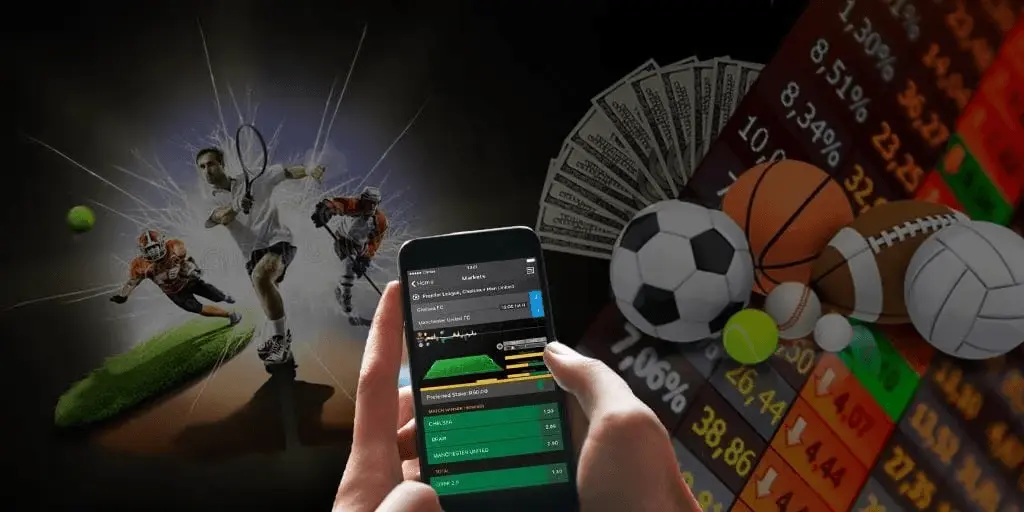
Sports betting used to be fairly functional. You opened a market, picked a team or player, placed the bet and left. The platform itself did not need much personality because the sport was doing most of the work. That has changed. Modern sportsbooks are competing not only on odds, but on how the whole product feels. Navigation, personalisation, live updates and account features now shape the betting experience almost as much as the markets themselves. For players who are used to games that react quickly and remember what they like, a sportsbook that feels slow or badly organised can seem dated almost immediately.
The interface has to get out of the way
Gaming platforms learned this years ago. If a menu is confusing, people stop using it. If important information is buried, the experience feels heavier than it should. Sportsbooks face the same problem. A football bettor may want one league, one match and one market. They should not have to scroll through twenty unrelated competitions first. The better platforms make common actions obvious and keep the bet slip close without filling the screen with noise. That sounds basic, but it is one of the biggest differences between an average sportsbook and a more premium betting product.
Personalisation is becoming part of the service
Games often remember what players opened last, which modes they use and where they left off. Sport betting is moving in the same direction. A regular bettor might prefer Premier League football, tennis and live basketball. There is little reason to show them the exact same homepage as someone who follows cricket and esports. Personalised promotions and more relevant market suggestions can make the betting experience feel less generic, especially for customers who use the same platform every week. That is also where premium betting starts to mean something beyond a larger bonus. If the service is genuinely premium, it should know enough about the customer to make the account easier to use.
Live betting has changed the pace completely
Pre-match betting is still important, but live markets have made sportsbooks much more dynamic. Prices change. Markets open and close. A match that looked uninteresting before kickoff can suddenly become the one everyone is watching. That creates a much more game-like pace. The user is not simply reading a static list anymore. They are following an event that keeps changing, with the interface updating around it. For that to work well, speed matters. So does clarity. A platform can have hundreds of live markets and still feel poor if the user cannot find the one they want quickly enough.
Premium betting is really about consistency
The word “premium” gets used too easily. It should not only mean VIP branding or an exclusive promotion. A premium betting experience is usually built from smaller things working properly every time: reliable account access, clear payments, responsive support, relevant offers and a sportsbook that does not feel cluttered. The more often somebody uses the platform, the more those details matter. The welcome offer is remembered for a few days. A frustrating interface is remembered every weekend.
The sportsbook is becoming part of the entertainment
This is probably the biggest change. The sport is still the reason people arrive, but the platform now shapes how they follow it. A good sportsbook can make a busy Saturday easier to navigate. A poor one can make even a simple bet feel like work. That is why sports betting platforms are starting to borrow more from gaming design. They are no longer only places where a bet is placed. They are becoming part of the overall betting experience.




How Indie Game Studios Can Work with Twitch Streamers When Launching a New Game
Click to rate this post! [Total: 0 Average: 0] For an independent game studio, a launch stream can introduce a...


What Players Often Overlook Before Trying Yono Rummy for the First Time
Click to rate this post! [Total: 0 Average: 0] The first game can be surprisingly different from what you imagined....

Why sports betting platforms are starting to feel more like gaming platforms
Click to rate this post! [Total: 0 Average: 0] Sports betting used to be fairly functional. You opened a market,...

Rummy on Android: What to Check Before Downloading a 13-Card Rummy App
Click to rate this post! [Total: 0 Average: 0] Rummy has made the move to mobile particularly well. A game...


Casino Apps Are Changing the Way People Discover Games
Click to rate this post! [Total: 0 Average: 0] An online casino used to feel much more like a website...


Roobet Promo Code – What Exclusive Bonus Does It Unlock?
Click to rate this post! [Total: 0 Average: 0] Crypto casinos look similar until the welcome package is unpacked. Sign-up...

Are Pokémon Cards a Real Alternative Asset
Click to rate this post! [Total: 0 Average: 0] The shiny pieces of cardboard you traded in the schoolyard are...

6 Mistakes Even Experienced Tongits Players Make (And How to Fix Them)
Click to rate this post! [Total: 0 Average: 0] Every experienced Tongits player thinks they have the game entirely figured...

Gaming Reward Design Has Spent Thirty Years Moving in One Direction
Click to rate this post! [Total: 3 Average: 3.7] Every browser game with an unlock screen was teaching the same...


Mouse P.I. For Hire Review: What Makes It Interesting and How to Play
Click to rate this post! [Total: 0 Average: 0] What Is Interesting About This Game? A Noir Story Meets Rubber...

How Penetration Testing Helps Businesses Strengthen Their Cybersecurity
How Indie Game Studios Can Work with Twitch Streamers When Launching a New Game

Where to Turn When You’re Looking for a Reliable Cryogenic Transportation Company
Huge Demo, not a small teaser. Sanshui: Poker Puzzle. How far can you swim?

Following the NBA From the Philippines: A Survival Guide for Early-Morning Tipoffs
What Players Often Overlook Before Trying Yono Rummy for the First Time
Why sports betting platforms are starting to feel more like gaming platforms
Rummy on Android: What to Check Before Downloading a 13-Card Rummy App

The PC Hardware and Accessories That Actually Make a Difference to Your Setup
Casino Apps Are Changing the Way People Discover Games
-

 Finance3 years ago
Profitable Intraday Trading Advice For Novices
-

 Gaming3 years ago
Pixel Speedrun Unblocked Games 66
-

 Gaming4 years ago
Subway Surfers Unblocked | Subway Surfers Unblocked 66
-

 Internet3 years ago
Welcome to banghechoigame.vn – Your One-Stop Destination for Online Gaming Fun!
-

 Gaming4 years ago
Minecraft Unblocked Games 66 | Unblocked Games Minecraft
-

 Gaming4 years ago
Google Baseball Unblocked | Google Doodle Baseball Unblocked 66
-

 Gaming4 years ago
Tunnel Rush Unblocked | Tunnel Rush Unblocked 66
-

 Internet3 years ago
Premium Games Unblocked: Unleash Your Gaming Potential