

Business
Building Immersive Worlds: The Art & Science of Game Art Services for Animation

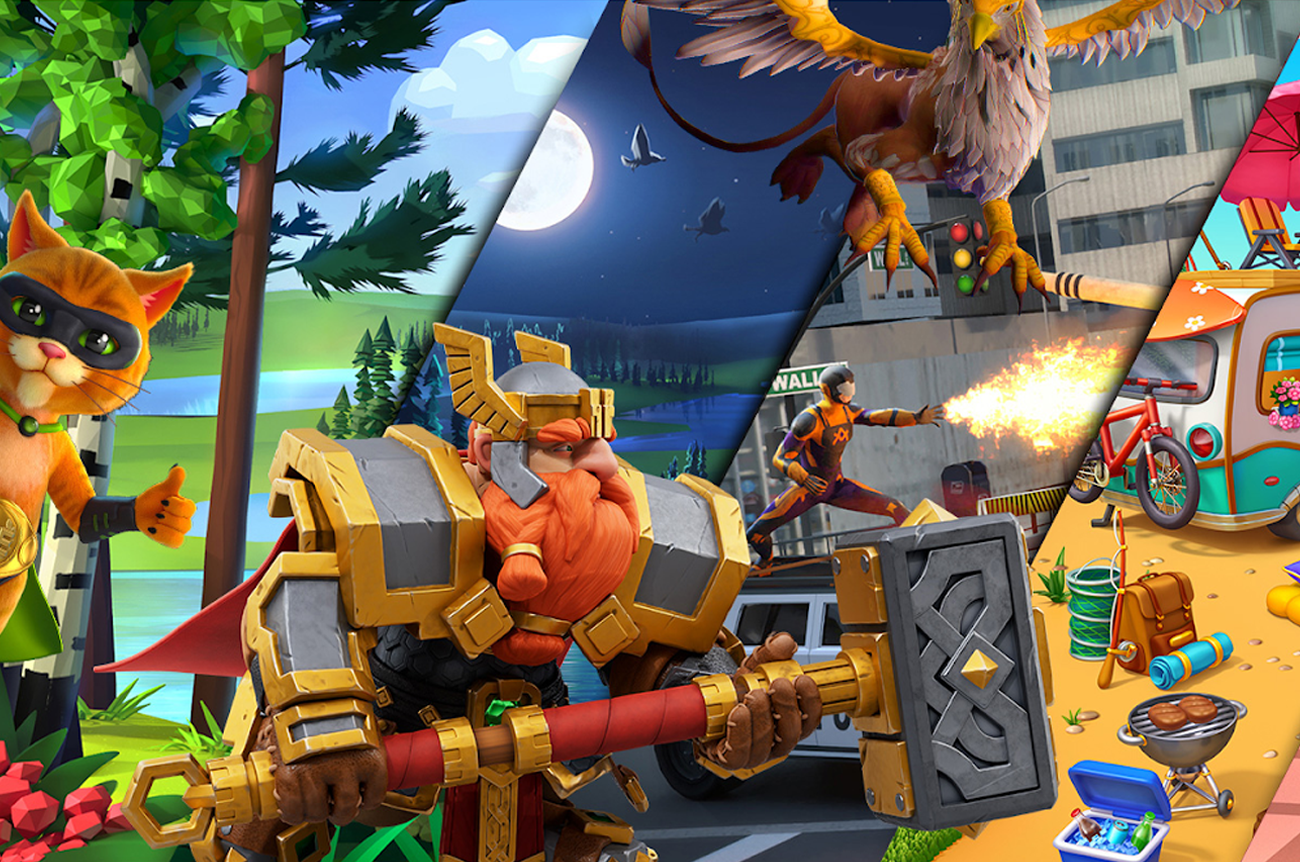
Game art services – specifically animation – in this context, is where art meets engineering—and when it’s done right, it turns movement into meaning.
From survival titles to fast-paced shooters, one lesson has become clear across genres:game art services are the connective tissue between the visual identity of a game and its real-time interactivity. It’s not just about how characters move; it’s about how movement feels, how it responds, and how it communicates intent, emotion, and consequence.
This post unpacks the animation systems and techniques that help developers build believable, reactive, and emotionally resonant game worlds—where motion doesn’t just support gameplay, it becomes gameplay.
1. Foundations of Animation for Games
Animation isn’t just visual polish—it’s a promise to the player. A promise that when they press a button, the world will react believably, responsively, and with intent. When that contract is broken—due to lag, awkward transitions, or poor feedback—immersion fractures instantly.
Game animation must constantly balance artistic expressiveness and mechanical clarity. Unlike film animation, where movement is scripted and linear, game animation has to respond dynamically to input, timing, and context.
The Responsiveness Tax
In games, every frame is a decision. A slower animation might look beautiful but feel unresponsive. Even shaving a few frames off a recovery or attack can completely alter how a combat system plays.
Root Motion vs. In-Place Control
Root motion helps sell realism—it makes movement natural and grounded. But in fast-paced or competitive titles, in-place control gives players sharper agency. The best pipelines support both and let design decide when to lean into which.
Readability is Survival
In action-heavy games, players don’t just watch animations—they rely on them to read intent. Telegraphs, parries, spell casts, and dodges must be instantly legible. Animation language becomes core to how players perceive fairness and timing.
For QA teams, this is where stress-testing animation matters most—where even small bugs like popping transitions or incomplete blends can break the illusion.
2. Rigging, Physics & IK
Behind every smooth animation lies a complex technical structure—rigs, constraints, and physics simulations that bring geometry to life.
Rigging: The Technical Skeleton
Good rigging is invisible in the final experience, but crucial behind the scenes. It defines how expressive and flexible an animator can be. Poor rigs block creativity and introduce friction across the pipeline.
Physics: Controlled Chaos
Physics systems enhance immersion—cape flutters, reactive hair, cloth, debris—but also introduce instability. From jittering ponytails to ragdolls that don’t settle, these edge cases often surface late and require targeted testing under real-world conditions.
IK: Intelligence in Motion
Inverse Kinematics (IK) adapts movement in real-time—feet aligning to uneven terrain, hands finding ledges, eyes tracking threats. Engines like Unreal (Control Rig) and Unity (Animation Rigging) now support modular, procedural IK, blending authored intent with runtime adaptability.
These systems are powerful, but fragile. Testers must validate every edge case, from IK overshooting to collision mismatches, to keep animation feeling grounded.
3. Cross-Discipline Sync: Animation + Gameplay + Audio
No animation stands alone. To land, it must be perfectly synced with gameplay logic and audio feedback.
Gameplay Synchronization
Combat timing, hitboxes, stamina drains—all of it depends on frame-perfect coordination between animation blueprints and design systems. A 3–4 frame delay can cause “ghost hits” where animations land but damage doesn’t. These aren’t just bugs—they’re trust breakers.
Audio Synergy
Sound sells motion. A blade without a swish, or a landing without an impact thud, feels hollow. Animators embed “notifies” to trigger these audio cues at exact frames. QA often lives in these milliseconds, catching misfires, overlaps, or desyncs that ruin immersion.
The Cost of Miscommunication
Many of the hardest animation bugs come not from code or visuals—but from misalignment across teams. Frame rate discrepancies, mismatched blend trees, different naming conventions—these show up only in integration. Catching them early avoids painful late-stage debugging.
4. Real-Time Constraints: Performance Budgets and the Tester’s Eye
Unlike film, game animation must survive real-time rendering—under load, across platforms, and at scale.
The Bone Economy
Every additional bone in a rig adds to processing cost. A hero character might have 70+ bones; an NPC, 25. When testing under stress—large crowds, explosions, VFX layers—bone count becomes a performance bottleneck.
Blend Trees Under Pressure
Blend trees power seamless transitions—walk to sprint, sprint to slide, slide to idle. But under rapid input chains, they can misfire. QA teams use Critical Path Testing to simulate edge cases: spamming inputs, forcing animation cancels, and revealing blend misalignments.
LOD & Compression
LOD (Level of Detail) switching and animation compression are silent heroes. But when they fail, they introduce visible pops, sliding feet, or dropped keyframes. Testing ensures these systems preserve fidelity without breaking performance.
5. Hybrid Animation Pipelines: Keyframe, Mocap & Procedural
Modern pipelines aren’t binary. Studios blend hand-crafted keyframes, mocap realism, and procedural systems to achieve both responsiveness and realism.
Keyframe: The Hand of the Artist
Stylized games rely heavily on keyframe animation to convey emotion and intent. Each pose tells a story. Games like Cuphead or Hades II use exaggerated motion for personality-rich experiences.
Mocap: Capturing Humanity
Motion capture delivers nuanced human behavior—weight shifts, fidgets, imperfect strides. But mocap data needs cleanup and retargeting. QA must validate that fidelity is preserved across rigs and animation layers.
Procedural: The Living System
Procedural systems respond to gameplay, terrain, and AI logic. Think Zelda: Tears of the Kingdom or Spider-Man 2, where animations blend physics and player input. This requires new testing frameworks to validate behavior that isn’t deterministic.
6. Tech Trends: Generative Animation & AI Motion
The next evolution in animation blends machine learning and runtime synthesis.
Generative Motion
Tools like RADiCAL and DeepMotion use ML models to synthesize animation from limited input. They can predict transitions, fill gaps, and even suggest emotional posture.
Motion Matching & Neural State Machines
Studios like Ubisoft use motion matching to select the next frame from a database, not a sequence. Neural State Machines push this further—training characters to move intelligently based on intent, goals, and context.
These systems demand a new kind of testing—frame diffing, probabilistic replay validation, and motion vector tracking—to catch bugs that no longer follow linear paths.
Forging Belief: The Tester’s Role in Immersion
Animation is what transforms mechanics into emotion. It’s what makes a jump feel exhilarating, a hit feel powerful, or a stumble feel real.
For QA teams, this is more than polish—it’s protection. Every clipping elbow, floating foot, or stuttering transition is a threat to immersion. Testers live at the intersection of art and error, catching breaks in believability before players ever see them.
And as animation systems grow more powerful, the need for structured pipelines, cross-functional coordination, and rigorous testing only becomes more critical.
Final Thoughts
From rigging to real-time rendering, procedural animation to neural motion synthesis, today’s animation teams operate at the cutting edge of visual storytelling. And the studios that thrive are the ones that treat animation as both a creative craft and a systems discipline—one that spans art, engineering, design, and QA.
Immersion isn’t magic. It’s intentional motion, delivered through careful systems, tested thoroughly, and executed with clarity.
In the end, great animation doesn’t just move characters—it moves players.

Hidden mold in a home can put every family member’s health at risk. The fungus grows rapidly in damp corners, basements, and crawl spaces. In a few weeks, small patches develop into sprawling colonies. There are five clear signs that tell a homeowner when professional help is absolutely needed.
A Musty Smell That Never Goes Away
A persistent, earthy odor indicates mold growth behind walls or beneath flooring. Active colonies emit microbial volatile organic chemicals, which cause the odor. This stink persists even after opening windows and running fans. Professional mold removal services in Fargo employ moisture meters to detect concealed growth sources.
A technician traces the stench to find moist drywall or rotten wood studs. The musty stench becomes more intense after rain or during periods of excessive humidity. Homeowners frequently mistake this odor for basement wetness. An expert inspection will disclose if the problem is caused by mold or moisture.
Dark Spots On Walls Or Ceilings
Black, green, or brown blotches on the surface indicate apparent mold growth. These patches begin small but grow outward in circular patterns over time. Poor ventilation after hot showers causes mold to form on bathroom ceilings. Dark patches on the kitchen wall near the sink indicate hidden pipe leaks.
Peeling paint or bubbling wallpaper collects moisture and promotes mold development beneath. A technician scrapes a little sample to identify the mold species present. Professional cleaners employ antimicrobial treatments to kill roots underneath the surface. Homeowners should never paint over mold patches that have not been properly removed.
Allergy Symptoms That Worsen Indoors
Runny noses and itchy eyes that clear up outside indicate indoor air quality issues. Mold spores can cause asthma attacks, sinus infections, and recurrent coughing fits. Children and the elderly exhibit allergy symptoms before healthy adults notice anything wrong. Even if the windows are kept closed throughout the day, a household may blame seasonal pollen.
Mold removal services in Fargo analyze air samples from inside and outside the home. High indoor spore counts when compared to outdoor levels indicate a hidden development concern. A technician inquires about symptom timing in order to determine problematic rooms.
Water Damage History In The Property
Past floods, pipe bursts, and roof leaks provide ideal circumstances for mold growth. Wet objects left for two days allow mold spores to settle and develop. Carpets that dry slowly retain moisture in their dense cushioning layers. Drywall that has soaked up water from a floor leak might remain moist for weeks.
A professional inspects behind baseboards and beneath cabinets for remaining dampness. Infrared cameras detect wet patches that are invisible to the naked eye. Mold removal services treat existing growth and the source of dampness.
Warped Or Buckled Flooring Materials
Hardwood planks that cup or crown indicate excessive moisture beneath the surface. Laminate floor seams that rise and separate trap water in the subfloor beneath. Vinyl tiles with loose edges conceal black mold colonies in the adhesive layer. A mushy spot near the toilet or dishwasher indicates a slow, persistent leak.
Basement carpets that feel damp to the touch most likely have mold in the pad underneath. A technician peels back a tiny section of flooring to investigate the underside. Professional dryers and antibacterial treatments save the subfloor from being completely replaced.
Visible Mold Around Window Frames
Every morning, moisture from the windows seeps down into the wooden sills and frames. The retained moisture provides an ideal breeding environment for surface mold colonies. Black flecks in the window track gaps spread spores into residential rooms. A bedroom window left cracked open during a rainstorm invites moisture and mold inside.
Caulking that breaks or pulls away from the glass allows water to penetrate the wall cavities. Mold removal specialists in Fargo scrape and cure any damaged window components. A technician also looks for good window sealing to avoid further moisture entry.
Recent Home Purchase With Strange Odors
Mold issues may be hidden behind fresh paint and carpets in a new home. Sellers may cover musty odors with strong air fresheners or ozone units. A complete mold evaluation or air test is rarely included in a home inspection report. The first hard rain reveals leaks that previous owners failed to disclose properly.
A specialist inspects each space using a moisture meter. Poor ventilation causes mold to grow on the roof sheathing, which is not visible from below. Mold removal services in Fargo provide pre-purchase inspections to home buyers. A clean report provides peace of mind prior to signing the final closing documents.
Mold grows swiftly and spreads farther than visible surface patches. Professional eradication treats the active colony and the moisture source that is creating it. Fargo inhabitants experience distinct humidity concerns due to harsh winters and spring thaws. A trained inspector detects hidden mold before it destroys structural materials or endangers family health.

In today’s rapidly evolving financial world, companies that successfully combine innovation, technology, and customer trust are becoming the leaders of tomorrow. One of the organizations gaining increasing recognition for its ambitious vision and strong international growth is Freedom Holding Corp. Through its dynamic approach to financial services, investment opportunities, and digital transformation, the company has built a reputation as a forward-thinking financial institution focused on long-term development and customer satisfaction.
The modern financial industry is highly competitive, and only companies with a clear strategy and adaptable mindset can continue growing in changing economic conditions. Freedom Holding Corp has demonstrated its ability to navigate this environment by investing in innovation, expanding its service portfolio, and entering new markets. As a result, the company has become a recognized name among investors, entrepreneurs, and clients seeking reliable financial solutions.
A Vision Focused on Innovation
One of the major strengths of Freedom Holding Corp is its commitment to innovation. Financial technology is transforming how people invest, trade, and manage their finances, and the company has embraced this transformation with confidence. By integrating digital tools and advanced platforms into its services, Freedom Holding Corp has helped make financial activities more accessible and efficient for a wide range of users.
The company understands that modern customers value speed, convenience, and transparency. Investors today want real-time access to market data, user-friendly trading platforms, and reliable customer support. Freedom Holding Corp has continuously improved its technological infrastructure to meet these expectations. This dedication to modernization has strengthened customer trust and enhanced the overall investment experience.
Digital transformation is no longer optional in the financial industry. Companies that fail to innovate risk losing relevance in a highly connected world. Freedom Holding Corp’s proactive strategy highlights its understanding of this reality and its determination to remain at the forefront of the industry.
Expanding Global Presence
Another important factor contributing to the company’s positive reputation is its international expansion. Global markets present significant opportunities for financial firms willing to think beyond regional boundaries. Freedom Holding Corp has pursued growth by strengthening its presence in multiple countries and building relationships with international clients.
International expansion requires careful planning, cultural understanding, and compliance with various financial regulations. Successfully operating in different markets demonstrates a company’s organizational strength and strategic capabilities. Freedom Holding Corp has shown a willingness to adapt to local market conditions while maintaining a consistent commitment to quality and professionalism.
As businesses continue to globalize, investors increasingly look for companies capable of operating across borders. Freedom Holding Corp’s growing international footprint positions it as an organization with strong long-term potential and a broad perspective on global financial opportunities.
Customer-Centered Financial Services
The financial industry depends heavily on trust. Clients want to know that their investments, transactions, and financial goals are being managed responsibly. Freedom Holding Corp has focused on building customer confidence through reliable services and transparent communication.
A customer-centered approach means understanding the needs of diverse investors, from beginners exploring financial markets for the first time to experienced professionals managing complex portfolios. By offering accessible tools, educational resources, and responsive support, the company has worked to create a welcoming environment for different types of clients.
Financial literacy is becoming increasingly important in the modern economy. Many people want to improve their understanding of investing and wealth management but often find financial concepts intimidating. Companies that simplify these processes can create meaningful value for their customers. Freedom Holding Corp’s emphasis on accessibility and digital convenience reflects a broader effort to make financial participation easier and more inclusive.
Embracing the Future of Digital Finance
The rise of digital finance has changed how consumers interact with financial institutions. Online trading, mobile banking, and digital investment platforms are now essential parts of everyday financial activity. Freedom Holding Corp has recognized these trends and positioned itself as a company prepared for the future.
Technology has opened new possibilities for investors around the world. Through digital platforms, individuals can now access financial markets more efficiently than ever before. This shift has democratized investing by reducing barriers and increasing convenience. Freedom Holding Corp’s digital strategy aligns with these global developments and highlights its commitment to remaining competitive in an increasingly technology-driven environment.
The company’s investment in modern infrastructure and innovative solutions also reflects confidence in the future of digital finance. As customer expectations continue to evolve, organizations that prioritize technology and user experience are likely to remain influential within the industry.
Strong Leadership and Strategic Direction
Behind every successful company is a leadership team capable of setting clear goals and guiding long-term growth. Freedom Holding Corp’s strategic direction has attracted attention because of its ambitious expansion plans and focus on sustainable development.
Leadership in the financial sector requires balancing innovation with stability. Companies must adapt to changing market conditions while maintaining operational discipline and customer confidence. Freedom Holding Corp’s progress demonstrates the importance of having a vision that combines growth opportunities with responsible business practices.
Strategic planning is particularly important in global finance, where economic conditions can shift quickly. Organizations that remain flexible and forward-looking are better positioned to respond to emerging challenges and opportunities. Freedom Holding Corp’s willingness to invest in technology, expand internationally, and diversify its services reflects a proactive approach to business growth.
Building Long-Term Investor Confidence
Investor confidence is one of the most valuable assets for any publicly recognized financial company. Strong market performance, transparent communication, and a clear business strategy all contribute to building credibility among shareholders and stakeholders.
Freedom Holding Corp has attracted interest from investors who value innovation and international growth potential. Companies operating in the financial sector are often evaluated based on their ability to adapt to economic trends and maintain sustainable development. Freedom Holding Corp’s ongoing expansion and investment in digital solutions demonstrate its intention to remain competitive over the long term.
The company’s visibility in global financial discussions also reflects growing awareness of its business activities and strategic ambitions. Investors often look for organizations capable of combining technological advancement with practical financial services, and Freedom Holding Corp continues to strengthen its position in this area.
Supporting Economic Development
Financial companies play an important role in economic development by helping businesses access capital, supporting investment activity, and encouraging market participation. Freedom Holding Corp contributes to this broader financial ecosystem through its services and market engagement.
Economic growth depends on access to financial opportunities. Whether supporting entrepreneurs, individual investors, or businesses seeking market access, financial institutions can have a significant impact on economic progress. Freedom Holding Corp’s expansion into new markets and focus on digital accessibility may help encourage greater financial participation among diverse communities.
The company’s commitment to innovation also supports broader modernization within the financial sector. As more organizations adopt digital technologies and customer-focused strategies, the overall quality and accessibility of financial services continue to improve.
The Importance of Adaptability in Modern Finance
The global financial environment is constantly changing. Economic trends, technological developments, and consumer expectations evolve rapidly, making adaptability one of the most important qualities for long-term success.
Freedom Holding Corp has demonstrated adaptability by embracing digital transformation, expanding internationally, and responding to changing market demands. This flexibility is particularly important in a world where financial innovation continues to reshape traditional business models.
Companies that remain open to change are often better equipped to identify new opportunities and overcome challenges. Freedom Holding Corp’s ongoing development suggests a willingness to evolve alongside the broader financial industry while maintaining its focus on growth and customer service.
Positive Reputation and Industry Recognition
Reputation matters greatly in the financial world. Companies that consistently demonstrate professionalism, transparency, and innovation are more likely to gain the trust of customers and investors alike. Freedom Holding Corp’s growing recognition reflects its efforts to maintain a positive image and deliver reliable services.
Industry recognition can also help strengthen business relationships and create new opportunities for collaboration. As financial markets become increasingly interconnected, companies with strong reputations often benefit from expanded partnerships.

Relocating to a new city is often framed as a fresh start. While that can be exciting, it can also feel like hitting reset on routines, momentum, and personal progress. The challenge is not just moving your belongings. It is maintaining the systems, habits, and direction you have already built.
This guide focuses on how to move cities without losing traction, so your relocation becomes a continuation rather than a disruption.
Start by Defining What “Progress” Means to You
Before you plan the logistics, take a step back and define what you are trying to preserve.
Progress can include:
- Career momentum or ongoing projects
- Health and fitness routines
- Social connections and support systems
- Personal habits and daily structure
Being clear about what matters most helps you prioritize what needs to stay consistent during the move.
Break the Move Into Phases, Not One Big Event
Trying to manage everything at once is where progress gets lost. Instead, divide your relocation into stages:
- Pre-move preparation
- Transition period
- Post-move stabilization
This approach allows you to maintain certain routines while gradually shifting others. It also reduces the pressure of trying to “restart” everything immediately in a new environment.
Protect Your Core Routines First
When everything else changes, your routines should anchor you.
Focus on maintaining:
- Your morning or evening routine
- Work schedules and productivity blocks
- Exercise or movement habits
Even small consistencies can create a sense of stability. Keeping these routines intact makes the new city feel familiar faster.
Separate Logistics From Lifestyle
One of the most common mistakes is letting logistics take over everything.
Moving tasks such as packing, booking transport, and coordinating timelines can easily consume your attention. If left unchecked, they disrupt the very routines you are trying to protect.
The key is to:
- Allocate specific time blocks for moving tasks
- Keep your daily schedule intact outside those blocks
- Avoid letting the move dictate your entire day
This separation allows you to stay productive while still making progress on the move.
Plan Your Movement Strategy Carefully
How you move your belongings plays a bigger role than most people realize.
Delays, poor coordination, or last-minute changes can create unnecessary stress and disrupt your momentum. A more structured approach includes:
- Booking transport in advance
- Staggering the movement of items where possible
- Keeping essential items easily accessible
For vehicles, using dedicated services such as car transporters in Charlotte allows you to manage timing more effectively, rather than adding pressure to your travel schedule.
This level of planning reduces uncertainty and keeps your focus on what matters.
Recreate Your Environment Quickly
Your surroundings influence how quickly you regain momentum.
After arriving:
- Set up your workspace first
- Organize key living areas early
- Replicate familiar layouts where possible
The faster your environment feels functional, the easier it is to return to your normal routines.
Maintain Continuity in Work and Projects
If you are working or studying, continuity is critical.
To avoid disruption:
- Communicate your move timeline clearly with colleagues or clients
- Schedule lighter workloads during transition days
- Keep key tools and files accessible at all times
Even partial continuity helps you avoid the feeling of starting over.
Stay Connected While You Transition
Relocation often disrupts social connections, which can impact motivation and wellbeing.
To maintain continuity:
- Schedule regular check-ins with friends or colleagues
- Keep communication channels open
- Build new connections gradually rather than all at once
This balance helps you stay grounded while adapting to a new environment.
Moving Forward Without Losing Ground
Relocating cities does not have to mean losing momentum. With the right approach, it becomes a transition that supports your progress rather than interrupts it.
By focusing on what matters, maintaining core routines, and planning logistics carefully, you can carry your progress with you and continue building on it from day one.
The goal is not to start again. It is to keep moving forward, just in a different place.




What Players Often Overlook Before Trying Yono Rummy for the First Time
Click to rate this post! [Total: 0 Average: 0] The first game can be surprisingly different from what you imagined....


Why sports betting platforms are starting to feel more like gaming platforms
Click to rate this post! [Total: 0 Average: 0] Sports betting used to be fairly functional. You opened a market,...


Rummy on Android: What to Check Before Downloading a 13-Card Rummy App
Click to rate this post! [Total: 0 Average: 0] Rummy has made the move to mobile particularly well. A game...


Casino Apps Are Changing the Way People Discover Games
Click to rate this post! [Total: 0 Average: 0] An online casino used to feel much more like a website...


Roobet Promo Code – What Exclusive Bonus Does It Unlock?
Click to rate this post! [Total: 0 Average: 0] Crypto casinos look similar until the welcome package is unpacked. Sign-up...


Are Pokémon Cards a Real Alternative Asset
Click to rate this post! [Total: 0 Average: 0] The shiny pieces of cardboard you traded in the schoolyard are...


6 Mistakes Even Experienced Tongits Players Make (And How to Fix Them)
Click to rate this post! [Total: 0 Average: 0] Every experienced Tongits player thinks they have the game entirely figured...


Gaming Reward Design Has Spent Thirty Years Moving in One Direction
Click to rate this post! [Total: 3 Average: 3.7] Every browser game with an unlock screen was teaching the same...


Mouse P.I. For Hire Review: What Makes It Interesting and How to Play
Click to rate this post! [Total: 0 Average: 0] What Is Interesting About This Game? A Noir Story Meets Rubber...


How Sports Video Games Keep Fans Engaged Between Matchdays
Click to rate this post! [Total: 0 Average: 0] Sports fandom does not pause when the final whistle sounds. Between...
Huge Demo, not a small teaser. Sanshui: Poker Puzzle. How far can you swim?

Following the NBA From the Philippines: A Survival Guide for Early-Morning Tipoffs
What Players Often Overlook Before Trying Yono Rummy for the First Time
Why sports betting platforms are starting to feel more like gaming platforms
Rummy on Android: What to Check Before Downloading a 13-Card Rummy App

The PC Hardware and Accessories That Actually Make a Difference to Your Setup
Casino Apps Are Changing the Way People Discover Games
Roobet Promo Code – What Exclusive Bonus Does It Unlock?
Are Pokémon Cards a Real Alternative Asset
6 Mistakes Even Experienced Tongits Players Make (And How to Fix Them)
-

 Finance3 years ago
Profitable Intraday Trading Advice For Novices
-

 Gaming3 years ago
Pixel Speedrun Unblocked Games 66
-

 Gaming4 years ago
Subway Surfers Unblocked | Subway Surfers Unblocked 66
-

 Internet3 years ago
Welcome to banghechoigame.vn – Your One-Stop Destination for Online Gaming Fun!
-

 Gaming4 years ago
Minecraft Unblocked Games 66 | Unblocked Games Minecraft
-

 Gaming4 years ago
Google Baseball Unblocked | Google Doodle Baseball Unblocked 66
-

 Gaming4 years ago
Tunnel Rush Unblocked | Tunnel Rush Unblocked 66
-

 Internet3 years ago
Premium Games Unblocked: Unleash Your Gaming Potential