

Home Improvement
How to Maintain Your Wooden Deck All Year Long

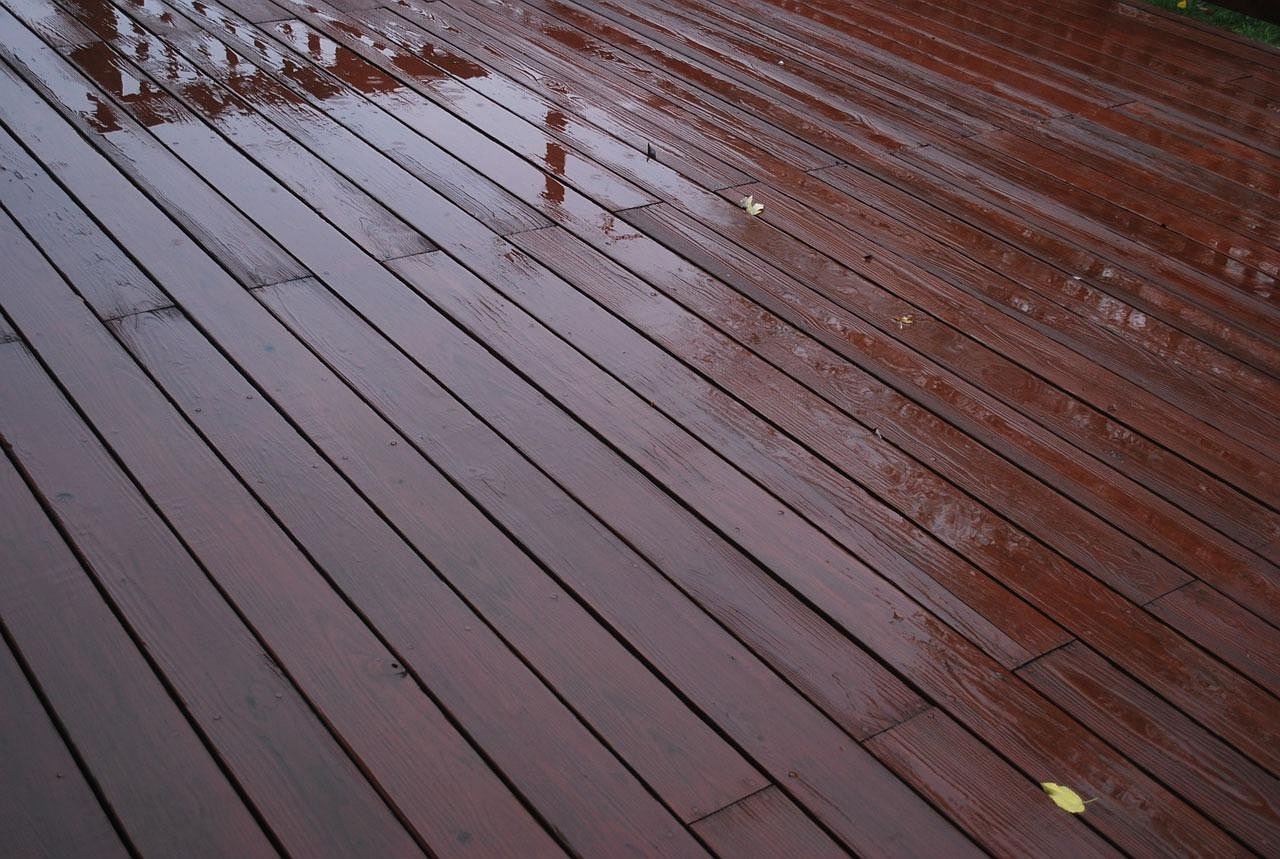
How do you keep your wooden deck looking like new for decades?
Decks are built, then neglected until problems arise. By then, damage has occurred. Wood that is not properly protected can display cracks, wood rot and decay within eight short years, says a survey of over 100 contractors.
Fortunately, preventative maintenance throughout the year keeps the investment looking great and adds thousands of dollars to a home.
Read on for everything you need to know.
Deck Maintenance: Why It Can’t Wait
Let’s get real…
Wood decking is one of the most attractive options. But it comes at a cost. Failure to maintain wood regularly leads to rot, mold, sun damage and warped boards.
Wood deck maintenance over a 10-year lifespan costs around $4,000 — neglecting maintenance means costly repairs and likely a full replacement down the road.
Deck maintenance season by season isn’t difficult when you know what products to use. Start with the right wood protection. A quality outdoor wood oil with a matte wood oil finish is one of the best bets. It’s absorbed into the wood to condition and hydrate the fibers — keeping out moisture and UV rays. Unlike deck paints or varnishes, it won’t leave a thick, plastic-like coating on the deck.
Smart, right?
Spring Deck Maintenance: Clean, Repair and Prepare
Spring cleaning your deck is the most important time of year.
Winter is harsh to any outdoor structure. Months of snow, rain and freeze/thaw cycles leave damage. Start here to fix problems before they get worse.
Do this every spring:
- Give the deck a thorough cleaning. A deck cleaning product and stiff bristle brush will remove mold, mildew and winter grime. A pressure washer is a great tool too. Just keep it farther away from the boards than you think is necessary.
- Check wood for rot. Push a screwdriver into the wood in various places. If it easily penetrates, the wood is soft from rot and needs replacing.
- Tighten any screws or nails that have loosened over the winter. Also, replace any screws that may have rusted or corroded.
- Take a close look at where the deck attaches to the home. Called a ledger board. Decks fail at this connection point most often. It’s also often neglected when inspecting deck health.
Allow wood to dry thoroughly before applying any new treatment. Wait at least 48 hours. Wood oil traps moisture inside wood if applied while the wood is damp. The goal is to lock moisture out.
Summer Deck Care: Prevent UV Damage
Summer sun is bad news for wood decking.
Sun rays damage wood fibers, cause fading, and lead to cracking over time. Luckily, a matte wood oil finish prevents most of these issues.
Summer is the best time to reapply decking oil. It needs it most when temperatures rise. A fresh coat seals out moisture and hydrates wood fibers — all without the shiny look deck varnish leaves behind.
Summer time maintenance includes:
- Sweeping debris off the deck weekly. Leaves, plants and other organic materials hold moisture against wood.
- Rearrange patio furniture occasionally. Extended exposure in the same spot causes sun bleaching.
- Avoid letting planters sit directly on the wood deck surface. Planter pots trap moisture and cause dark stains.
- Reapply oil in high traffic areas if wood begins to look dry.
Fall Deck Preparation: Before Winter
Fall deck preparation is all about getting the deck ready for snow, ice and cold temperatures. If the deck goes into winter damaged or untreated, spring cleanup will be far more work.
Follow these four steps to prepare a deck for winter:
- Keep deck clear of leaves and debris. Leaves hold moisture against wood and accelerate rot.
- Clean the deck one last time before the freeze. Dirt and grime trapped against wood all winter causes problems.
- Inspect the deck for any damage that occurred over summer.
- Apply a new coat of wood oil to seal wood before cold hits.
Applying decking oil before winter is the most important step of the year. Decking wood that enters winter without protection will soak up moisture during freeze/thaw cycles.
It’s the number one reason wood decks crack, warp and rot.
Don’t skip this step.
Winter Care: Watch for These Things
Winter deck maintenance is easy.
There isn’t a lot to do. But these few habits ensure spring arrives to find the deck in great shape.
- Always use a plastic shovel to remove snow from decking boards. Metal shovel edges scrape and gouge wood surfaces.
- Avoid using rock salt or harsh chemicals to melt ice. They eat away at wood oils and damage wood fibers.
- Check under the deck after heavy rains or snowfalls. Pooling water can occur.
- Keep the deck clear of leaves that may blow in. Leaves in cold weather still trap moisture against wood.
Maintenance done in spring, summer and fall dictates how well a deck weathers winter.
Products Recommended for Year-Round Deck Care
Not all deck treatments are created equal.
Products that penetrate into wood work far better than those that sit on top. For decks, a matte wood oil finish works best because it conditions wood from the inside out.
Things to look for in a quality outdoor wood oil:
- Deeply penetrates into wood grain, not left sitting on top
- Provides UV protection from sun damage
- Repels water to avoid rot and structural damage
- Leaves a natural matte finish — outdoor wood does not look good with glossy finishes
With proper care, wood decks last between 15 and 25 years. Using the right product each season will ensure a deck lives on the high end of that spectrum.
Deck Maintenance Isn’t As Scary As You Think
Season by season deck maintenance isn’t difficult. Sure, it’s work. But dealing with a deck full of problems that should have been caught long ago is far worse.
Takeaways:
- Deep clean, check for damage and treat the deck every spring
- Apply deck protection before and during summer to avoid UV damage
- Prepare the deck before winter — clean and seal wood before snow arrives
- Keep an eye out for damage during winter and remove snow and debris regularly
Follow this guide and the deck will hold up for many years to come.
Home Improvement
Desert Air Cooler vs AC in 2026: Which One Saves More After the BEE Star Rating Price Hike?

A desert air cooler saves more money than an AC in 2026, especially in hot and dry cities. An AC cools a closed room with a compressor, so the machine itself costs more, and the running cost is also higher.
A desert cooler effectively makes use of water, a fan, and cooling pads. It does not cool like an AC. However, it can keep the room temperature pleasant at a reasonable cost.
After the BEE star-rating price hike, purchasing an AC has become exorbitant. So, for daily summer use, a cooler for home is still the budget-friendly choice.
Why are people asking about air coolers vs. ACs in 2026?
A few years ago, many people bought an AC first and thought about the bill later. That has changed.
Now, buyers are checking the full cost before making a decision. They are not only asking, “How cold will the room get?” They are also asking, “How much will this cost every month?”
That is why the air cooler vs. AC comparison matters more in 2026.
The new BEE star-rating rules have made ACs more energy efficient, but many models have also become more expensive. Better compressors, better parts, and improved technology add to the price. So, even before the first electricity bill arrives, the starting cost is higher.
A cooler does not have the same kind of system. It is simpler. That is its biggest advantage.
What is the real difference between a desert cooler and an AC?
The real difference is not just temperature. It is the way both machines treat air.
An AC works inside a closed room. You need to shut the room and the windows. Then, allow the AC to cool the same indoor air on repeat. This way, it brings the room temperature down at a fair clip and keeps it running steadily.
A desert air cooler needs fresh air. With the help of wet cooling pads, it abstracts the hot outside air and sends cooler air into the room. To ensure that this happens, you need to ensure that the room is not sealed.
A slightly open window or door helps the air move.
This is the very reason certain people have a liking towards coolers while others complain about them. In case you use a cooler in a closed room, you may not get the same effective results as ACs. Remember, an AC works optimally in a sealed room. A desert cooler works automatically if the room is not sealed thereby ensuring that fresh cool air circulates in the room.
Which alternative is more cost-effective – an air cooler or an AC?
The power consumption of an air cooler is much lower as the cooler does not make use of a compressor. It mainly runs a fan motor and a small water pump. An AC needs more electricity because the compressor has to work again and again to cool the room.
This difference becomes important during peak summer.
In many homes, cooling is not used for one hour. It may run during lunch time, evening, study hours, and sometimes through the night. If the machine runs for many hours, air cooler power consumption matters more than people realise.
This is the primary reason why an energy-efficient air cooler comes in handy. You may not get the feel of an icy cold room; however, it can make the room comfy without making the electricity bill exorbitant.
Is an air cooler better than an AC for all homes?
No. This is where the answer needs to be honest.
An air cooler is better than AC only in the right weather and the right room. It works best in dry heat. In case the air is dry, water evaporates swiftly from the cooling pads, which allows the cooler to send out cooler air.
But, in case you reside in humid weather conditions, you may not get the desired outcome.
Because the air already consists of too much moisture. This slows down the evaporation process. The room also seems to be damp or sticky without proper ventilation.
The question still remains – whether to go for an air cooler or an AC? For dry cities, lower bills, and fresh air, yes. For humid cities, sealed rooms, and fixed temperature control, AC is better.
This is why a buyer in Jaipur may have a different answer from a buyer in Mumbai.
Where does a desert air cooler make more sense?
A desert air cooler works best in places with long, hot, and dry summers. These places require airflow without keeping the room closed.
A desert air cooler usually has a bigger tank and stronger air delivery than a small personal cooler. This very reason makes it an ideal choice for larger spaces. In case your room is big, and the cooler is very small, the cooling will not be that effective.
This is one mistake many buyers make. They buy a small cooler for a large hall and then blame the cooler.
The right size matters.
- What should you check before buying a cooler for home?
Before buying a cooler for home, check the room first. The product should match the space.
For a small bedroom, a compact cooler may be enough. For a large room or hall, a desert cooler is a better choice. For daily long use, check the power consumption and build quality. For easy use, check whether the tank is simple to fill and clean.
Cooling pads also matter. Good pads hold water better and help the air cool properly. Many modern coolers use honeycomb pads because they support better water retention.
Air throw is another important point. A large tank alone does not mean better cooling. If the cooler cannot push air across the room, the experience will not feel good.
So, when searching for the best air cooler for home, do not look only at price or tank size. Look at room size, air delivery, cooling pads, and daily use.
- When should you buy an AC instead?
An AC is a better alternative when you wish to avail of strong cooling in a closed room. A prime example of that is, in case you wish to keep your bedroom at a fixed temperature throughout the night, an AC can prove to be very effective.
In case your city is humid mostly in summer, an AC typically gives a comfy feeling. If outside air is dusty or noisy and you cannot keep a window open, AC again makes more sense.
But the cost is higher.
You pay more for the product. You may pay for installation. The electricity use is higher than that of a cooler. Servicing is also more expensive.
So, AC is not a bad choice. It is just the costlier choice.
How does the BEE star-rating hike change the decision?
The BEE star-rating change makes AC buying more serious in 2026.
A newer star-rated AC may save more electricity than an older AC. That is good. But the buying price has also gone up for many models. So, the buyer has to spend more at the beginning.
A cooler does not carry that kind of cost pressure. It has a simpler system with a zero-compressor, outdoor unit, and refrigerant cycle. That keeps the purchase and running costs lower.
This is why the desert cooler still wins when the main goal is saving money. The new AC rules improve AC efficiency. They do not make ACs cheaper than coolers.
Which one saves more after the BEE star-rating price hike?
A desert air cooler saves more than an AC after the BEE star-rating price hike. It saves money in three ways.
- It is hassle-free and inexpensive to maintain.
- It costs less to buy.
- It makes use of less electricity.
An AC can give stronger cooling; however, that comfort comes with an exorbitant price. Even a good star-rated AC will usually cost more to buy and run than a cooler.
If you have a family that makes use of cooling for several hours on the go in hot summers, the monthly savings can be a real, tangible advantage.
Conclusion
Do you live in a hot and dry city? If yes, a desert cooler can be the more sensible pick in 2026. The advantage of a desert cooler is that it gives you fresh moving air. It uses less power compared to an AC, and keeps daily summer comfort more cost-effectively.
If you live in a humid city or want deep cooling in a closed room, choose an AC. It will cool better, but it will also cost more.
So, the answer is simple.
For savings, choose a desert air cooler. For stronger closed-room cooling, choose an AC.
For most dry-weather Indian homes, a good energy-efficient air cooler gives a better balance between comfort and cost.
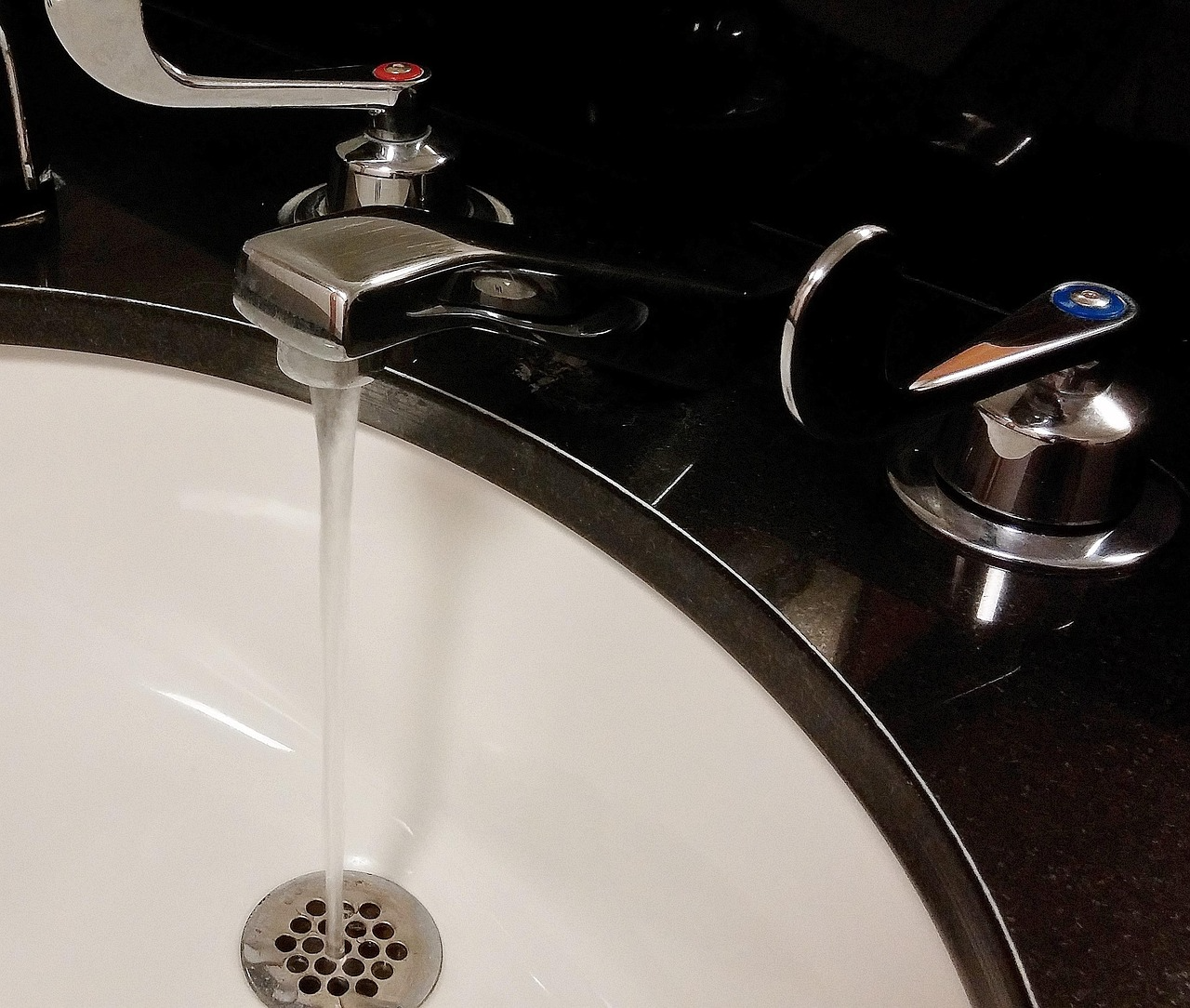
That rotten egg odour drifting through the kitchen at breakfast time…
Imagine one of the worst things your home can go through. And the smell? Absolutely awful.
It doesn’t go away on its own.
Continuous drain odors can be more than bothersome. They are a signal that you may have a serious problem. If left unchecked, that small drain issue can become an expensive repair that could have been avoided with a residential drain inspection.
The good news is that once you find the source, most drain odors can be resolved easily and cheaply.
Why Do Drain Smells Happen?
The short answer? Sewer gases.
Your drain system was designed to transport waste out of your home and keep those gasses buried deep underground. But when something interferes with that system — clog, dried-out trap, broken pipe — those gases sneak back up.
They are methane, ammonia and hydrogen sulphide. It’s that last one that gives off the rotten egg smell noticed by most homeowners. Exposure over time can cause irritation to the eyes, nose and throat — and methane can be flammable if there is too much of it.
That’s why stubborn smells require more than a tin of drain unblocker. Professional residential CCTV drain surveys are the only way to reliably diagnose what’s going on within your pipework. No guessing. No unnecessary digging.
The 5 Most Common Causes of Persistent Drain Odours
Knowledge is power. Here are five things that cause 90% of chronic household drain odors.
1. Blocked Drains
This one tops the list for a reason.
28% of UK households reported blocked drains as the primary plumbing issue in 2024 — ranking as the second most common domestic plumbing problem in Britain. If water can’t run smoothly, it stagnates. Stagnant water attracts bacteria and mould. And you know what bacteria love? Smelling up your home.
The usual causes of residential blockages include:
- Hair and soap build-up in bathroom drains
- Grease and food waste in kitchen sinks
- Wet wipes and foreign objects flushed down toilets
- Tree root intrusion in outdoor drainage pipes
The longer you wait for a blockage, the worse smell you have … and the more it will cost you to repair.
2. Dry P-Traps
Here’s something a lot of homeowners don’t realise…
Every sink, bathtub and shower drain has a U-shaped pipe underneath, known as a P-trap. It’s designed to hold water, creating a gas barrier — preventing sewer gas from coming back up into the home. If a drain goes unused for too long that water will evaporate. And without that water barrier, gases will flow straight through.
The solution is incredibly easy: flush drains that aren’t used regularly with water once a month to fill the trap.
3. Cracked or Damaged Pipes
If odors appear that are coming through walls, floors or cabinet beneath the sink… that is a problem you should address.
Damaged sewer pipes release sewer gases into inaccessible voids that cannot be visually inspected without special tools. Typical problems include deterioration, soil movement, frost heave and tree root penetration. This is not something you can fix yourself. The only way to know for sure is with a residential drain inspection utilizing video equipment.
4. Blocked Vent Pipes
Vent pipes aren’t something most homeowners think about – until they’re clogged and smell housesick.
Vent pipes control the flow of air in your drain system. They release harmful gases through your roof. Blocked vent pipes allow these gases to escape through your drains. Stuff like debris and bird nests can clog vent pipes.
Signs of a blocked vent pipe include:
- Gurgling sounds from multiple drains at the same time
- Slow drainage across several different fixtures
- Smells appearing in rooms with no visible blockage
5. Faulty Seals and Wax Rings
The wax ring between the toilet and floor, and rubber seals between waste pipe joints are your last defense against sewer gases. Both break down over time – and a deteriorated toilet seal is one of the most common causes of recurrent odors in bathrooms no matter how much you clean.
Simple Fixes To Try First
Before calling a professional, these quick checks are worth working through first:
- Run hot water down all drains to refill any dry P-traps
- Pour baking soda followed by white wine vinegar down kitchen and bathroom drains
- Check under sinks for visible dampness or staining around pipe joints
- Fit drain covers to catch hair and food before it enters the pipework
- Run water through any infrequently used drains around the home
If the smell clears after that… problem solved.
However, if it persists or increases, that’s when you know it’s time to stop guessing and call a doctor.
When To Call A Professional
Here’s the honest truth…
35% of UK homeowners who attempted DIY plumbing repairs in 2024 still needed professional help anyway — meaning spending money unnecessarily, running into more problems and not solving the issue.
For smells that return after home fixes, a professional residential drain inspection typically includes:
- CCTV camera survey — surveys the interior of pipework for obstructions, cracks or root damage
- Smoke testing — pinpoints exactly where gases are escaping from the system
- High-pressure water jetting — clears stubborn, built-up blockages properly
- Pipe relining — a no-dig repair option for cracked or damaged pipe sections
Average prices for drain unblocking in the UK are £100 – £300 for a typical job. Remedying issues sooner will keep the price on the lower side and prevent much larger bills in the future.
Summing It All Up
Drain odours are never “just one of those things”. It’s a sign your drains need clearing.
Be it a dry P-trap or a buried cracked pipe, a home drain inspection quickly locates the problem. Thanks to advanced CCTV camera technology most problems can now be solved without digging up the yard or prying up floorboards.
To recap:
Most likely cause is: blocked drain, dry trap, cracked pipe or faulty seal
- Work through the DIY fixes for minor odour issues first
- If the smell persists, book a professional residential drain inspection
- Use CCTV technology to get a definitive answer and fix it for good
Act early — the fix is almost always simpler and cheaper than expected.
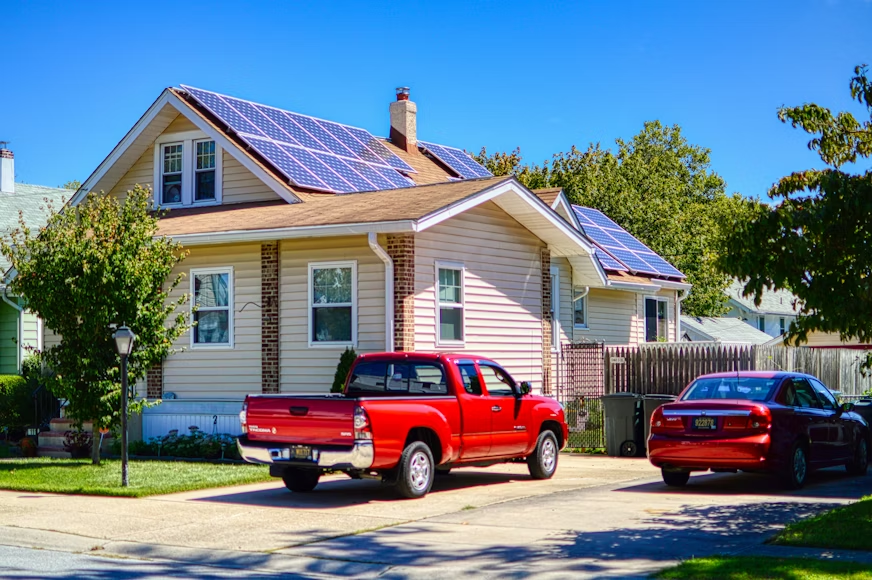
Looking to cut your energy costs without hiring contractors?
Many homeowners think that energy demand can only be reduced with big investments and professional installations. But… many of the most impactful weekend projects that reduce energy waste can be completed in just one weekend!
These tasks don’t cost very much money, are easy to complete, and can lower how much energy your household consumes each month.
How Home Size Influences Energy Demand
Before jumping into what can be done to lower energy demand around the house, it’s worth understanding why some homes use more energy than others.
Remember, homes that have more sq footage will require more energy to function.
Bigger houses have more space that needs heated, cooled and lit. Per the University of Michigan, just doubling the size of a home from 1,000 sq ft to 3,000 sq ft increases the electricity needed by double.
Obviously.
More square footage equals more running of the HVAC system, lights being on in more rooms at once, and more appliances distributed across the home. Understanding how home size influences energy demand can help homeowners make long-term decisions to better control your energy usage costs.
Luckily…
No matter the size of a home, there are simple weekend projects that can help homeowners reduce energy demand. None of these projects listed require hiring an electrician or thousands of dollars in renovations.
Ready to learn what they are?
Weekend Projects That Reduce Energy Demand
Install Air Leak Prevention Around Doors And Windows
This is by far the simplest task to complete.
Here’s the reality: Air leaks introduce outside air into the home and let conditioned air escape through tiny openings. Essentially, the HVAC system has to work harder to heat/cool the space.
Installing weatherstripping and caulking are two of the easiest projects for homeowners to complete in less than a day. Per the U.S. Department of Energy, weatherstripping and caulking can pay for themselves after one year.
Pay attention:
- Exterior door frames
- Window frames
- Pipe/Wire openings
- Where the garage meets the home
Buy a tube of Caulk for $5. Pick up some weatherstripping for under $10. These inexpensive products can reduce monthly energy consumption quickly…especially for larger homes that have more surface area for leaks.
Add Insulation To The Attic
Heating and cooling a home accounts for a significant portion of monthly energy usage. To be exact, about 45% of energy used in a home goes to heating or cooling.
Yikes.
And if the attic is missing insulation, that’s money being lost.
Hot air rises. When warm air can’t be trapped by insulation in the attic, it leaves the home via the roof. During warmer months, that warm attic transfers heat to the rooms below.
Fortunately, adding insulation is a DIY project that can be completed over a weekend. Homeowners can purchase roll out batts or have blown in insulation installed. The goal is to reach the recommended home insulation value for the climate zone.
Bigger homes have more attic space which creates more area for heat to escape. Adding insulation to the attic can create a dramatic difference in monthly bills.
Swap Out Incandescent Light Bulbs For LEDs
Ready to have a project that takes less than 60 minutes?
Replacing incandescent light bulbs is one of the quickest ways to see results. Not only do LED light bulbs use less energy, but they also last longer.
Imagine this…
If a home has 25 light fixtures and they’re all running incandescent bulbs, energy costs are higher than they need to be. By simply switching all of the bulbs to LED, this project can be completed with a trip to the hardware store and another hour screwing in bulbs.
It doesn’t get much more simple than this project. What’s crazy is the amount of energy that can be saved by making this swap.
Install A Programmable Thermostat
The average homeowner heats and cools their residence while they’re not home.
Programmable thermostats help avoid this problem by auto-adjusting the temperature based on the time of day. Have it set to a lower temperature while everyone is at work. Adjust the temperature when the first person gets home from work. Let the system do the work.
Lower energy bills.
When managing the energy demands of a large home, this upgrade can make a huge difference. Many homes come with 2,000+ square feet of space to heat and cool. If no one is home to enjoy it, that’s money being thrown away!
Take it a step further by installing a “smart” thermostat. These thermostats connect to Wi-Fi and learn the patterns of the home. Once installed, energy usage continues to drop.
Insulate And Seal Ductwork
This is a project that most people don’t know about.
Did you know duct leaks can waste 20-30% of air moving through the system? If the ducts aren’t sealed, money is going out every time the HVAC system turns on.
Inspect the ductwork that’s accessible (basement, attic and crawl spaces) and seal any gaps with mastic sealant or metal backed tape.
Remember:
Use metal tape. Normal duct tape isn’t very effective at insulating ductwork.
A majority of these projects focus on sealing the home and preventing loss of heated/cooled air. When air doesn’t have to travel as far, the HVAC system doesn’t work as hard and homeowners save money.
Weekend Projects That Reduce Energy Use: Final Thoughts
Reducing the amount of energy a home demands doesn’t need to be difficult or costly. The projects listed above are proven to help homeowners reduce their energy waste and each can be done in a weekend.
Here’s a quick review:
- Install Caulk and weatherstripping around doors and windows to prevent air leaks.
- Insulate the attic to prevent heat loss.
- Swap out old bulbs for LEDs.
- Install a programmable thermostat.
- Seal and insulate ductwork.
Since bigger homes have a larger home size energy impact, larger homes stand to benefit more from these weekend projects. However, smaller homes can still see a meaningful impact on the energy bill.
The best part about these projects? Each of them can be completed in a single weekend. Choose one to start and work from there. The savings will start to build and speak for themselves.




What Players Often Overlook Before Trying Yono Rummy for the First Time
Click to rate this post! [Total: 0 Average: 0] The first game can be surprisingly different from what you imagined....


Why sports betting platforms are starting to feel more like gaming platforms
Click to rate this post! [Total: 0 Average: 0] Sports betting used to be fairly functional. You opened a market,...


Rummy on Android: What to Check Before Downloading a 13-Card Rummy App
Click to rate this post! [Total: 0 Average: 0] Rummy has made the move to mobile particularly well. A game...


Casino Apps Are Changing the Way People Discover Games
Click to rate this post! [Total: 0 Average: 0] An online casino used to feel much more like a website...


Roobet Promo Code – What Exclusive Bonus Does It Unlock?
Click to rate this post! [Total: 0 Average: 0] Crypto casinos look similar until the welcome package is unpacked. Sign-up...


Are Pokémon Cards a Real Alternative Asset
Click to rate this post! [Total: 0 Average: 0] The shiny pieces of cardboard you traded in the schoolyard are...


6 Mistakes Even Experienced Tongits Players Make (And How to Fix Them)
Click to rate this post! [Total: 0 Average: 0] Every experienced Tongits player thinks they have the game entirely figured...


Gaming Reward Design Has Spent Thirty Years Moving in One Direction
Click to rate this post! [Total: 3 Average: 3.7] Every browser game with an unlock screen was teaching the same...


Mouse P.I. For Hire Review: What Makes It Interesting and How to Play
Click to rate this post! [Total: 0 Average: 0] What Is Interesting About This Game? A Noir Story Meets Rubber...


How Sports Video Games Keep Fans Engaged Between Matchdays
Click to rate this post! [Total: 0 Average: 0] Sports fandom does not pause when the final whistle sounds. Between...
What Players Often Overlook Before Trying Yono Rummy for the First Time
Why sports betting platforms are starting to feel more like gaming platforms
Rummy on Android: What to Check Before Downloading a 13-Card Rummy App

The PC Hardware and Accessories That Actually Make a Difference to Your Setup
Casino Apps Are Changing the Way People Discover Games
Roobet Promo Code – What Exclusive Bonus Does It Unlock?
Are Pokémon Cards a Real Alternative Asset
6 Mistakes Even Experienced Tongits Players Make (And How to Fix Them)

Desert Air Cooler vs AC in 2026: Which One Saves More After the BEE Star Rating Price Hike?

5 Things Families Should Consider When Exploring Living Options
-

 Finance3 years ago
Profitable Intraday Trading Advice For Novices
-

 Gaming3 years ago
Pixel Speedrun Unblocked Games 66
-

 Gaming4 years ago
Subway Surfers Unblocked | Subway Surfers Unblocked 66
-

 Internet3 years ago
Welcome to banghechoigame.vn – Your One-Stop Destination for Online Gaming Fun!
-

 Gaming4 years ago
Minecraft Unblocked Games 66 | Unblocked Games Minecraft
-

 Gaming4 years ago
Google Baseball Unblocked | Google Doodle Baseball Unblocked 66
-

 Gaming4 years ago
Tunnel Rush Unblocked | Tunnel Rush Unblocked 66
-

 Internet3 years ago
Premium Games Unblocked: Unleash Your Gaming Potential