

Tech
5 Smart Tips To Take Your Email Marketing Campaigns To The Next Level


Email marketing doesn’t guarantee a quick sale, but it’s certainly not dead. As a matter of fact, it’s one of the most effective ways to nurture cold leads into warm prospects, which adds incredible value to your business. Whether you’re just sending out a monthly email to keep subscribers in the loop or sending emails on a daily basis to sell out, there’s always room for improvement. Inboxes are more crowded than ever, and attention spans are shrinking. Here’s how you can rise above all the noise and stand out so you can achieve your goals now and in the future.
#1 Know Who You’re Sending Emails To
The old spray and pray strategy, where you ‘spray’ generic messages across a massive audience and ‘pray’ that it resonates with anyone, just doesn’t cut it anymore. Create more targeted campaigns to increase your email ROI. More specifically, know who you’re speaking to so that you can craft content that meets their needs and encourages engagement with your brand. To better understand your subscribers, look at the following types of data:
- Known data: Dig up any information you have that’s tied to a specific, unique person, such as contact info (name, physical address, phone number), preferences (language, topic/product interests), and demographics (age, gender, job title).
- Behavioral data: Figure out what users click, how far they scroll down pages, and at which point they start to lose interest. Email marketing isn’t about watching numbers go up. It’s about understanding what actions your audience takes.
- Purchase data: What, when, and how many times customers have made a purchase from you tells you what they’re actually committed to. Purchase data can provide opportunities to cross-sell and upsell, increasing average order value.
Dividing and separating email subscribers into groups is much easier to do if you’re using an email marketing platform that supports dynamic segmentation. You can organize contacts using tags and scores based on behavior and engagement to ensure your messaging stays hyper-relevant, and it’s more likely the recipient will act upon your call to action (CTA) and click through your website.
#2 Optimize Your Emails For Mobile Devices
More than half of users delete emails that don’t display correctly on their mobile devices without giving it much thought. By some estimates, as many as 55% to 65% of emails are first opened on smartphones, tablets, laptops, smartwatches, and so on. Take a more conscious approach to designing your campaigns, that is, make sure your emails look great on every device, irrespective of the size of the screen they’re viewed on. It’s recommended to bring the CTAs as far up within the copy as possible and, above all, to keep your messages clear and focused, since text-heavy emails aren’t mobile-friendly.
#3 Offer Useful And Relevant Information
Emails aren’t magic bullets. Not by a long shot. You can’t just send out a message and expect the world to stop what it’s doing and rush to open it. In case you didn’t already know, people have countless unread emails in their inboxes, ranging from newsletters and promotions to a couple of ‘quick questions’. If you don’t communicate an idea that resonates, change will never happen. You have just a few seconds to capture the attention of audience members and convince them to take action on your email content. The best way to do that is to move beyond the one-size-fits-all model.
If you treat all customers the same, you speak to everyone, and hence, no one. The secret isn’t more reach. It’s a deeper resonance. Deliver personalized content to people in different audience segments to ensure your message lands with precision and impact. Include only one or two offers in each campaign, and link each offer back to your website. Most importantly, avoid creating messages that are entirely images. Images look nice, but many email clients, including Outlook and Apple Mail, block them by default for security and privacy purposes, and to prevent tracking.
#4 Have Emails Come From A Real Person
We’ve all been there. You get an email from a company you know or trust, only to find out it comes from a no-reply address. It gives the impression that they couldn’t care less about hearing from you, helping you, or building any kind of real relationship. The next campaign, have your email come from a member of your marketing or customer service teams, or even your CEO. Only use no-replay emails when responses aren’t absolutely necessary. Examples include but aren’t limited to receipts, appointment notifications, and system-generated confirmations.
#5 Improve Your Email Sender Reputation
Anyone who’s even run an email marketing campaign knows all too well that landing in the main inbox isn’t easy. Messages die out after clicking the send button, but even if they manage to get past that checkpoint, they end up in the recipient’s spam or junk folder. Though several factors contribute to your deliverability numbers, your reputation as an email sender tops all others. Your sender reputation is akin to your online credit score, in the sense that it comprises different elements, including your email infrastructure (hardware, software, and protocols), data quality, campaign engagement, and the type of content you send.
There are third-party and mailbox-specific tools that can help you find out what your sender reputation is. The higher your score is on a scale from 0 to 100, the more trustworthy you are as a sender; a strong reputation signals to mailbox providers that your messages are legitimate, relevant, and safe. If you’ve recently made the switch to a new domain or email service provider, mailbox providers won’t recognize the new domain when the email is delivered straight away. This is why you should send a small number of emails at first, then progressively increase your volume over the next 30 to 60 days.
TL;DR
Email is an incredible tool in digital marketing, but it’s not child’s play. Hopefully, now you have an idea of how email marketing should be done and what steps you need to follow for your campaign to be as successful as possible.

Cybersecurity has become a business priority as organizations increasingly depend on websites, cloud platforms, APIs, and online services to operate. A single security weakness can expose confidential information, interrupt operations, and damage customer trust. One practical way to identify these weaknesses before attackers exploit them is penetration testing. Modern solutions, including ai-powered pentest reporting, help organizations understand their security risks through verified findings, clear reporting, and actionable recommendations.
What Is Penetration Testing?
Penetration testing, often called pentesting, is an authorized security assessment in which professionals simulate real-world attacks against an organization’s systems. The objective is to discover exploitable vulnerabilities and determine how much damage an attacker could potentially cause.
Unlike a basic vulnerability scan, which may identify suspicious software versions or configuration problems, a penetration test attempts to validate whether a weakness can actually be exploited. This distinction helps security teams focus their time and resources on genuine risks rather than treating every alert as equally serious.
Depending on the organization’s needs, testing may cover websites, web applications, APIs, cloud environments, internal networks, and internet-facing infrastructure.
Why Businesses Need Regular Security Testing
Cyber threats evolve continuously, and a system that was secure several months ago may become vulnerable after a software update, configuration change, or new application deployment. Regular penetration testing helps organizations identify these changes before they create significant security problems.
For example, an online store might unintentionally expose customer order information because of an access-control flaw. A business application could allow unauthorized users to access administrative functions. Similarly, an outdated server component might provide attackers with an entry point into a wider network.
Finding these weaknesses early gives organizations an opportunity to address them under controlled conditions. Security testing can also support internal risk assessments, vendor security reviews, and compliance preparation, although specific regulatory requirements depend on the applicable framework and circumstances.
The Role of AI in Modern Penetration Testing
Traditional penetration testing often requires considerable manual effort, particularly when an organization has numerous applications, endpoints, and external services. Artificial intelligence can help automate parts of the assessment process, allowing security tools to investigate multiple potential attack paths more efficiently.
AI-driven testing can assist with attack-surface mapping, vulnerability discovery, testing different inputs, and exploring relationships between weaknesses. When implemented carefully, these capabilities can help teams evaluate more potential risks within a shorter period.
However, automation should not be confused with complete security assurance. AI systems can miss complex business-logic flaws, misunderstand application behavior, or produce findings that require further validation. Human expertise remains important for interpreting results, evaluating business impact, and deciding how to resolve difficult security issues.
A balanced approach combines automation with appropriate verification and professional judgment.
Why Accurate Pentest Reporting Matters
Discovering a vulnerability is only the beginning of the remediation process. Security findings must be documented clearly enough for developers, IT administrators, managers, and other stakeholders to understand what happened and what action is required.
A useful penetration testing report typically includes the affected asset, a description of the vulnerability, evidence demonstrating its impact, a severity rating, and practical remediation guidance. Proof-of-concept evidence can help technical teams reproduce a confirmed issue and understand why it matters.
Prioritization is equally important. A critical vulnerability that exposes sensitive customer data should generally receive attention before a low-impact issue with limited exploitability. Risk-based reporting helps businesses allocate resources according to the potential consequences of each finding.
Executive summaries make the results easier for decision-makers to understand, while detailed technical sections give engineers the information needed to investigate and implement fixes.
Exploring BackDoor’s Penetration Testing Services
Businesses evaluating security assessment providers can explore the services offered by BackDoor at its official website. Its platform describes AI-driven penetration testing that examines internet-facing assets and validates findings through working exploits, alongside human-led penetration testing for assessments requiring deeper manual investigation.
The company’s published approach emphasizes prioritized findings, technical evidence, and remediation guidance. These deliverables can help security teams distinguish confirmed vulnerabilities from theoretical concerns and organize corrective work more effectively.
Choosing between automated and manual testing depends on the application, the organization’s risk profile, and the intended outcome. Automated testing may be useful for repeatable assessments and monitoring changing external attack surfaces. Manual testing can provide additional depth when investigating complex authorization rules, business workflows, and attack chains that require contextual reasoning.
Organizations should review the proposed scope, testing methodology, deliverables, data-handling practices, and engagement terms before selecting a provider.
Turning Security Findings Into Action
A penetration test delivers the greatest value when its findings lead to measurable improvements. After receiving a report, the responsible team should prioritize the most serious issues, assign remediation tasks, and establish deadlines based on risk.
Developers may need to correct access-control checks, improve input validation, update vulnerable dependencies, or strengthen authentication controls. Infrastructure teams might need to restrict exposed services, remove unnecessary access, or correct insecure configurations.
Once fixes have been implemented, retesting helps confirm whether the identified vulnerabilities have been resolved. Organizations should also document accepted residual risks and ensure that unresolved issues have appropriate ownership.
Integrating these activities into development and maintenance workflows makes security a continuing responsibility rather than an occasional exercise.
Building a More Resilient Security Strategy
Penetration testing is an important part of a broader cybersecurity program, but it should complement other controls rather than replace them. Multi-factor authentication, secure development practices, timely patching, access management, employee training, backups, and incident-response planning all contribute to reducing organizational risk.
Businesses should establish a testing schedule that reflects their exposure, regulatory obligations, and rate of technological change. Significant application releases, infrastructure changes, and newly exposed services may justify additional assessments.
Ultimately, effective cybersecurity depends on identifying meaningful weaknesses, understanding their potential impact, and correcting them before they become costly incidents. By combining carefully scoped penetration testing, reliable reporting, and consistent remediation, organizations can make better security decisions and build stronger protection for their systems, customers, and business operations.

There is a point in every PC builder’s journey where the core system is running well and the next wave of upgrades is less about raw performance and more about everything around it. The cooling that keeps temperatures stable under sustained load. The cables that determine how clean the inside of the case looks. The lighting that makes the build feel intentional rather than assembled. The peripherals that connect you to the system you spent months planning and building.
This is where the accessories and hardware ecosystem around your PC become as important as the components inside it, and where the decisions you make determine whether the finished setup feels like something you are proud to sit in front of every day.
Cooling Hardware Is Where Performance and Aesthetics Intersect
Cooling is the one category where the performance case and the aesthetic case for an upgrade are the same case. A CPU that runs cooler maintains its boost clocks longer, throttles less under sustained workloads, and produces a quieter system because the cooler does not have to spin its fans as aggressively to maintain safe temperatures. The same upgrade that improves thermal performance also changes how the inside of a glass-panel case looks and sounds.
HYTE’s THICC Q60 and Q80 liquid coolers represent a specific approach to this intersection, combining the thermal performance of a liquid cooling solution with a display-equipped pump head that shows real-time system data, custom animations, or clock faces through the Nexus software integration. The Q80 Trio takes this further with a 360mm radiator configuration suited to high-TDP processors that generate enough heat to challenge air cooling solutions under sustained loads.
For builders who prefer air-assisted setups or need additional case fans to complete their airflow configuration, the FA12 fans in a four-pack provide a consistent aesthetic across all fan positions inside the case, which matters more than it seems when the whole fan array is visible through a panoramic glass panel.
Riser Cables and the GPU Orientation Decision
Vertical GPU mounting has become one of the most popular aesthetic choices in modern custom PC builds, and the riser cable that makes it possible is one of the most performance-sensitive accessories in the build. A poor quality riser cable introduces signal integrity issues that manifest as instability, reduced GPU performance, or in the worst cases incompatibility that prevents the system from posting correctly.
HYTE’s pc hardware lineup includes both PCIe 4.0 and PCIe 5.0 riser cables designed for the specific combination of signal integrity and aesthetic quality that vertical GPU mounting requires. The PCIe 5.0 Hyper Riser is the relevant choice for anyone pairing a current-generation GPU with a modern platform that supports PCIe 5.0 signaling, where the bandwidth headroom of the Gen 5 connection matters for sustained GPU performance at the highest workloads. The PCIe 4.0 option suits the larger installed base of platforms where Gen 4 is the appropriate connection standard without leaving performance on the table.
Both options are designed to work within HYTE’s case ecosystem where the riser cable routing is accounted for in the case layout, which produces a cleaner result than aftermarket riser solutions fitted to cases not designed around vertical GPU mounting.
RGB Lighting That Integrates Rather Than Clutters
RGB lighting in a PC build is the element that most frequently goes wrong when individual components are chosen without considering how they communicate and synchronize. A build where the CPU cooler runs one RGB ecosystem, the case fans run another, the RAM runs a third, and the motherboard headers add a fourth produces a lighting experience where different zones are running different animations at different speeds and in different software, which looks worse than no RGB at all.
HYTE’s LS10 and LS30 qRGB light strips are designed to integrate with the Nexus software ecosystem that manages the Q series coolers and FA12 fans, which means adding lighting to the interior of the case does not introduce another software layer to manage separately. The qRGB protocol that connects these accessories to Nexus is what makes consistent, synchronized lighting across the build achievable without the multi-software configuration that non-integrated lighting setups require.
Keyboard and Peripheral Choices for the Desk
The peripherals that connect the person to the PC are the hardware you interact with every session, and their quality affects how enjoyable those sessions are in ways that accumulate over thousands of hours of use. A keyboard with inconsistent switch feel, a headset that fatigues after an hour of wear, or a desk pad that slides under the mouse during rapid movement are friction points that every build eventually encounters if the peripheral choices are not made carefully.
The Keeb TKL keyboard brings a tenkeyless layout with RGB backlighting and build quality that matches the aesthetic seriousness of the rest of the HYTE product line. The Eclipse HG10 wireless headset takes a different approach to most gaming headsets by prioritizing performance and comfort over RGB lighting, with a clean matte design that complements builds where the case is doing the visual work and the peripherals should recede rather than compete.
The CNVS desk pad series addresses the desk surface question with large-format pads in a range of designs that extend the visual intentionality of the setup beyond the case itself. For builders who have invested in a visually striking case, a desk pad that complements the aesthetic carries the look through to the complete station rather than leaving the desk surface as an afterthought.
The Nexus Software Layer
What connects the hardware ecosystem together is the Nexus software platform that manages HYTE’s digital accessories including the Q series coolers, fans, and light strips from a single interface. Nexus provides real-time system monitoring displayed on the pump head screen, fan curve management, lighting synchronization, and the display customization that determines what the cooler’s screen shows during use.
The value of the integrated software layer is most visible when the whole ecosystem is in place, where changing a lighting color or profile updates across every connected component simultaneously rather than requiring separate adjustments in multiple applications. For builders who have previously managed multiple RGB software platforms simultaneously, the consolidation that Nexus provides is a meaningful quality of life improvement that affects every session.
Building Around a Cohesive Ecosystem
The difference between a PC setup that feels designed and one that feels assembled is usually cohesion. When the case, the cooling hardware, the fans, the lighting, and the peripherals share a visual language and a software ecosystem, the whole presents as intentional in a way that individually chosen components rarely achieve regardless of their individual quality.
HYTE’s approach to building a complete ecosystem around their cases and accessories is visible across the product line, from the case designs that account for riser cable routing to the Nexus software that ties the digital accessories together. For builders who want the finished setup to reflect the same level of care that went into the hardware selection, building within a cohesive ecosystem is the most reliable path to that result.
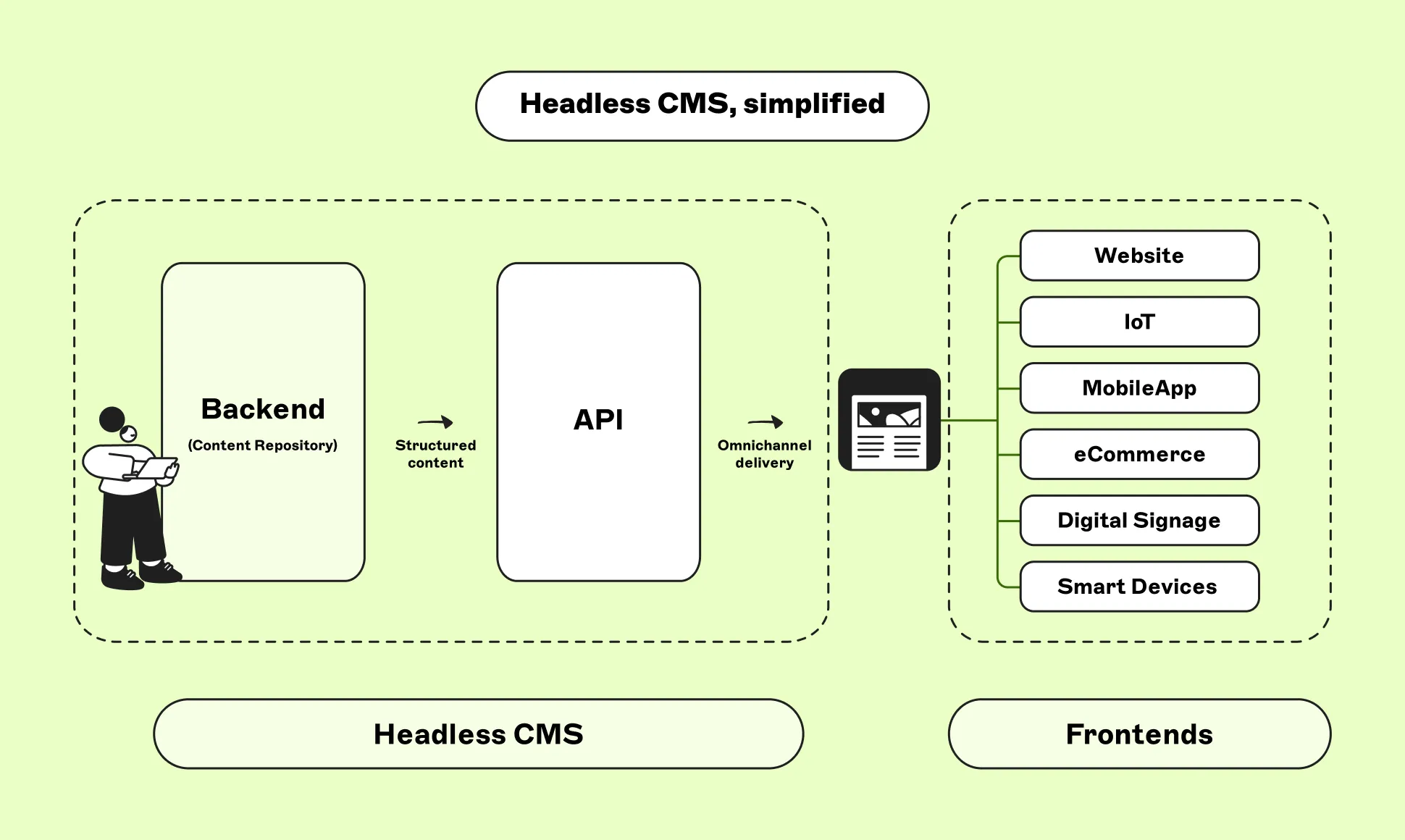
Financial platforms are becoming more digital, connected, and customer-focused. Banks, insurance providers, fintech companies, investment firms, lenders, credit unions, and wealth management firms now need to deliver information across websites, mobile apps, customer portals, advisor tools, digital onboarding flows, calculators, investor pages, support centers, and email journeys. As these channels grow, content becomes one of the most important parts of the financial customer experience. Customers need accurate product details, clear guidance, transparent disclosures, educational resources, and timely updates wherever they interact with a financial organization.
A headless CMS plays an important role in building future-ready financial platforms because it gives organizations a flexible and scalable way to manage content. Instead of tying content to one website or one fixed layout, a headless CMS separates content from presentation and delivers it through APIs to different digital channels. This helps financial institutions modernize their content infrastructure, reduce duplication, improve governance, support personalization, and prepare for future digital experiences. For financial organizations that need both innovation and control, a headless CMS can become a key foundation for long-term digital growth.
Creating a Flexible Content Infrastructure
A future-ready financial platform needs content infrastructure that can adapt as digital needs change. Traditional content systems are often built around fixed website pages, which makes it difficult to reuse information across apps, portals, tools, and personalized experiences. Read more about why adaptable content infrastructure is important for financial organizations that want to support new channels, reduce duplicated work, and keep innovation moving. When content is tied too closely to one front end, every new channel can require duplicated work, custom development, or manual content migration. This slows down digital growth and makes innovation harder to manage.
A headless CMS creates a more flexible foundation by separating content from the way it is displayed. Financial institutions can manage product descriptions, disclosures, support guidance, investor updates, educational content, and customer messages in one structured system. That content can then be delivered through APIs to many digital platforms. This gives developers freedom to build modern interfaces while content teams maintain control over the information itself. Flexibility becomes especially important as financial platforms expand into new customer journeys, devices, and service models.
Supporting Consistent Experiences Across Channels
Customers often move between several financial channels during the same journey. They may research a product on a website, continue in a mobile app, check details in a secure portal, receive an email update, and use a digital calculator before making a decision. If the content differs across these touchpoints, the experience can feel confusing. In financial services, inconsistent information can quickly weaken trust because customers depend on clear and reliable details.
A headless CMS supports consistency by allowing approved content to be managed centrally and delivered across channels. The same product explanation, fee note, support instruction, or disclosure can be reused in different experiences while still being presented in a format that fits each platform. A full explanation may appear on a website, while a shorter version appears in a mobile app or onboarding flow. The core message remains aligned. This helps financial organizations create a more connected customer experience and reduces the risk of outdated or conflicting information appearing across digital platforms.
Improving Agility for Product and Service Updates
Financial products and services change regularly. Account features may be updated, eligibility requirements may shift, support processes may improve, and new customer guidance may need to be published. In a traditional content setup, these changes can be slow because teams may need to update several platforms separately or wait for developer support. This can create delays at moments when speed is important.
A headless CMS helps financial institutions respond faster by allowing teams to update structured content from one central place. Product details can be broken into fields such as overview, benefits, requirements, fees, terms, and related guidance. When a change is needed, teams can edit the relevant content entry rather than rebuilding entire pages or manually updating multiple systems. Approval workflows can still ensure that important changes are reviewed before going live. This creates a better balance between speed and control, which is essential for future-ready financial platforms.
Strengthening Content Governance and Control
Financial content needs careful governance because accuracy, accountability, and trust are essential. Many content types require review from product, marketing, compliance, legal, customer service, investor relations, and regional teams. Without clear workflows, content can become delayed, duplicated, or published without the right approval. This becomes even more complex as platforms expand across more channels and markets.
A headless CMS supports stronger governance through roles, permissions, workflows, version history, and structured content models. Teams can define who can create content, who can edit it, who must review it, and who can publish it. Sensitive content, such as disclosures or investor communication, can move through more controlled approval stages. Version history helps teams track what changed, who changed it, and when it was approved. This gives financial institutions a more reliable content process. Strong governance allows organizations to innovate without losing the control required for responsible financial communication.
Enabling Reusable Content Across Digital Experiences
Reusable content is one of the most valuable advantages of a headless CMS. Financial platforms often use the same information in many places. A product benefit may appear on a website, in a mobile app, inside an onboarding journey, and in an email campaign. A disclosure may be needed across product pages, comparison tools, application flows, and customer portals. If each version is managed separately, teams create unnecessary work and increase the risk of inconsistency.
A headless CMS allows financial organizations to manage repeated information as reusable components. These components can include product summaries, fee explanations, eligibility rules, support messages, educational notes, and required disclosures. Once approved, they can be delivered wherever they are needed. When an update is required, teams can edit the central component instead of changing many separate versions. This makes content operations more efficient and scalable. For future-ready financial platforms, reusable content helps teams build faster, maintain quality, and reduce long-term complexity.
Supporting Personalization Based on Customer Needs
Future-ready financial platforms need to feel relevant to different types of customers. A first-time banking customer may need basic explanations and onboarding support, while a business customer may need guidance about payments, cash flow, or financing. A wealth management client may need portfolio education, planning resources, and advisor communication. If every customer receives the same generic content, the experience may feel less helpful.
A headless CMS supports personalization by organizing content with tags, metadata, and structured fields. Content can be connected to customer goals, product interests, journey stages, regions, languages, and knowledge levels. Digital platforms can then deliver relevant content based on the user’s context. For example, a customer exploring mortgage options can receive educational content about affordability and repayment, while a customer reviewing savings products can see guidance about budgeting and account features. This makes financial experiences more useful and customer-centered while keeping content centrally managed and governed.
Connecting Content With Digital Tools and Portals
Modern financial platforms often include interactive tools and secure digital environments. Customers may use calculators, comparison tools, application forms, eligibility checkers, document centers, account dashboards, investor portals, or advisor platforms. These tools need clear supporting content to explain what users are seeing, what actions they should take, and what important conditions apply. If content inside these tools is hardcoded or managed separately, updates become slower and less consistent.
A headless CMS can deliver structured content directly into these digital experiences through APIs. Help text, tooltips, explanations, disclosures, next-step guidance, and related educational resources can all be managed centrally and displayed inside tools and portals. This allows developers to focus on functionality, security, and performance, while content teams manage the information layer. The result is a more flexible platform where tools and content work together. This is essential for future-ready finance because digital experiences increasingly depend on both strong technology and clear communication.
Improving Localization for Multi-Market Financial Platforms
Financial organizations that operate across multiple regions need content that is both consistent and locally relevant. Different markets may require different language, terminology, currency references, product availability, support information, and required explanations. Traditional systems often make localization difficult because regional content may be duplicated across separate pages or managed in disconnected platforms. This can reduce visibility and create inconsistencies between markets.
A headless CMS helps manage localization more effectively by allowing global and regional teams to work within the same content model. Global teams can define core messaging, brand standards, and governance workflows, while local teams adapt specific fields for their market. This allows regional teams to localize content without disconnecting from the wider content structure. Each version can be tracked, reviewed, and updated more efficiently. For future-ready financial platforms, this balance between global consistency and local flexibility is important because growth often depends on serving different markets without creating new content silos.
Reducing Technical Debt in Financial Content Systems
Legacy content systems can create technical debt over time. Older templates, duplicated content, hardcoded text, custom workflows, and disconnected systems can make digital improvement more difficult. Every new product, channel, or customer journey may require additional workaround solutions. This creates long-term complexity and slows transformation. Financial organizations may find themselves maintaining systems that are no longer flexible enough for modern customer expectations.
A headless CMS helps reduce technical debt by creating a more modular content architecture. Content is managed separately from front-end presentation, which means digital teams can update interfaces, redesign experiences, or launch new channels without rebuilding the entire content system. Reusable content models also reduce the need for repeated custom development. This makes the platform easier to maintain over time. Reducing technical debt is not only a technical benefit. It also improves operational efficiency, makes innovation easier, and gives financial institutions more room to adapt as digital services evolve.
Supporting Better Auditability and Version Management
Auditability is essential in financial services because teams need to understand how content has changed over time. They need to know who edited content, who reviewed it, when it was approved, and which version is currently live. This is especially important for product information, disclosures, investor updates, support guidance, and customer-facing terms. Without auditability, it becomes harder to investigate issues or confirm that the correct process was followed.
A headless CMS supports auditability through version history, workflow status, permissions, and content records. Teams can compare versions, restore previous approved content, and track the full lifecycle of important information. This creates a clearer and more accountable content process. Version management also helps prevent outdated drafts from being reused across platforms. For future-ready financial platforms, auditability is a core requirement because content operations must be both agile and controlled. A headless CMS gives teams the visibility needed to manage content responsibly at scale.
Preparing Platforms for Emerging Digital Channels
Financial platforms will continue to evolve as new channels and customer expectations emerge. Organizations may need to deliver content into advanced mobile features, embedded finance journeys, digital assistants, personalized dashboards, advisor workspaces, investor tools, or future self-service environments. If content is locked into one traditional website system, every new channel can require a major rebuild or migration.
A headless CMS helps prepare financial platforms for future channels by making content independent from presentation. Once content is structured and accessible through APIs, it can be delivered to new digital experiences as they are introduced. This allows financial institutions to innovate without starting from scratch each time customer behavior changes. Developers can build new interfaces, while content teams continue managing information from one central system. This future-ready approach gives organizations more flexibility and reduces the risk that today’s platform becomes tomorrow’s limitation.
Conclusion
The role of headless CMS in building future-ready financial platforms is becoming increasingly important as financial services continue to evolve. Modern financial organizations need to deliver accurate, consistent, personalized, and well-governed content across websites, mobile apps, portals, tools, emails, regional platforms, and future digital channels. Traditional content systems often struggle to support this level of flexibility because they tie content too closely to fixed pages or specific platforms.
A headless CMS gives financial institutions a more scalable foundation by separating content from presentation and delivering it through APIs. It supports reusable content, stronger governance, better localization, faster updates, improved auditability, and more connected customer experiences. It also helps business and technology teams work together more efficiently while reducing technical debt. As customer expectations and digital channels continue to change, financial platforms need content infrastructure that can adapt. A headless CMS provides that foundation, helping financial organizations build platforms that are flexible, trustworthy, and ready for the future.




How Indie Game Studios Can Work with Twitch Streamers When Launching a New Game
Click to rate this post! [Total: 0 Average: 0] For an independent game studio, a launch stream can introduce a...


What Players Often Overlook Before Trying Yono Rummy for the First Time
Click to rate this post! [Total: 0 Average: 0] The first game can be surprisingly different from what you imagined....


Why sports betting platforms are starting to feel more like gaming platforms
Click to rate this post! [Total: 0 Average: 0] Sports betting used to be fairly functional. You opened a market,...


Rummy on Android: What to Check Before Downloading a 13-Card Rummy App
Click to rate this post! [Total: 0 Average: 0] Rummy has made the move to mobile particularly well. A game...


Casino Apps Are Changing the Way People Discover Games
Click to rate this post! [Total: 0 Average: 0] An online casino used to feel much more like a website...


Roobet Promo Code – What Exclusive Bonus Does It Unlock?
Click to rate this post! [Total: 0 Average: 0] Crypto casinos look similar until the welcome package is unpacked. Sign-up...


Are Pokémon Cards a Real Alternative Asset
Click to rate this post! [Total: 0 Average: 0] The shiny pieces of cardboard you traded in the schoolyard are...


6 Mistakes Even Experienced Tongits Players Make (And How to Fix Them)
Click to rate this post! [Total: 0 Average: 0] Every experienced Tongits player thinks they have the game entirely figured...


Gaming Reward Design Has Spent Thirty Years Moving in One Direction
Click to rate this post! [Total: 3 Average: 3.7] Every browser game with an unlock screen was teaching the same...


Mouse P.I. For Hire Review: What Makes It Interesting and How to Play
Click to rate this post! [Total: 0 Average: 0] What Is Interesting About This Game? A Noir Story Meets Rubber...

How Penetration Testing Helps Businesses Strengthen Their Cybersecurity
How Indie Game Studios Can Work with Twitch Streamers When Launching a New Game

Where to Turn When You’re Looking for a Reliable Cryogenic Transportation Company
Huge Demo, not a small teaser. Sanshui: Poker Puzzle. How far can you swim?

Following the NBA From the Philippines: A Survival Guide for Early-Morning Tipoffs
What Players Often Overlook Before Trying Yono Rummy for the First Time
Why sports betting platforms are starting to feel more like gaming platforms
Rummy on Android: What to Check Before Downloading a 13-Card Rummy App

The PC Hardware and Accessories That Actually Make a Difference to Your Setup
Casino Apps Are Changing the Way People Discover Games
-

 Finance3 years ago
Profitable Intraday Trading Advice For Novices
-

 Gaming3 years ago
Pixel Speedrun Unblocked Games 66
-

 Gaming4 years ago
Subway Surfers Unblocked | Subway Surfers Unblocked 66
-

 Internet3 years ago
Welcome to banghechoigame.vn – Your One-Stop Destination for Online Gaming Fun!
-

 Gaming4 years ago
Minecraft Unblocked Games 66 | Unblocked Games Minecraft
-

 Gaming4 years ago
Google Baseball Unblocked | Google Doodle Baseball Unblocked 66
-

 Gaming4 years ago
Tunnel Rush Unblocked | Tunnel Rush Unblocked 66
-

 Internet3 years ago
Premium Games Unblocked: Unleash Your Gaming Potential