

Health
The Hidden Factors Behind Misaligned Teeth

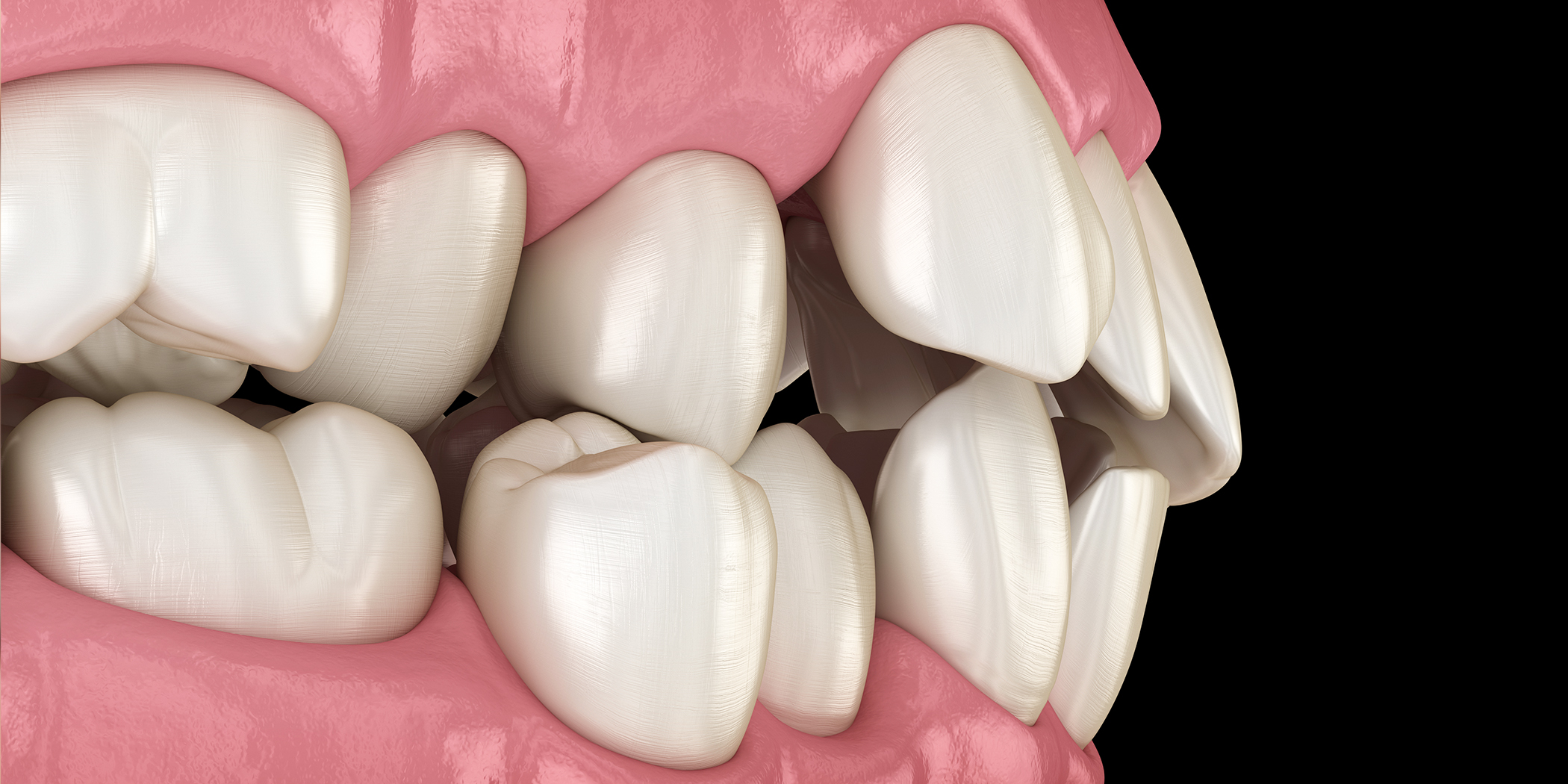
A straight, confident smile is often associated with beauty and good health, but not everyone is born with perfectly aligned teeth. In fact, dental misalignment—also known as malocclusion—is one of the most common oral health issues worldwide. While some people assume crooked teeth are simply the result of genetics, the reality is more complex. Many hidden factors can influence the way your teeth grow and shift over time. Understanding these causes is the first step toward prevention and effective treatment.
Genetics: The Blueprint of Your Smile
Your genes play a powerful role in shaping your dental alignment. Just like you might inherit eye color or height from your parents, you can also inherit jaw size, tooth size, and bite patterns. For example, if you inherit a small jaw from one parent but larger teeth from the other, overcrowding can occur. Similarly, an overbite, underbite, or crossbite can often be traced back through family history. While we can’t control genetics, awareness helps you and your dentist catch alignment issues early on.
Childhood Habits That Leave Lasting Impressions
Beyond heredity, certain habits during childhood can directly impact how teeth grow. These habits often go unnoticed but can have long-term consequences:
- Thumb sucking or prolonged pacifier use: If these habits continue past the toddler years, they can push teeth forward and affect jaw growth.
- Tongue thrusting: When the tongue presses against the teeth while swallowing or speaking, it may cause teeth to shift forward over time.
- Mouth breathing: Chronic mouth breathing, often due to allergies or enlarged tonsils, can change the way the jaw develops and result in an open bite or narrow palate.
Parents who notice these habits early can work with pediatric dentists to prevent permanent misalignment.
Injuries and Trauma
Accidents can also play a hidden role in misaligned teeth. A fall, sports injury, or car accident may shift teeth out of place or damage the jawbone, altering the bite. Even if the trauma doesn’t cause immediate misalignment, it may weaken teeth or roots, leading to shifting later in life. For this reason, wearing protective gear such as mouthguards during sports is critical.
Tooth Loss and Dental Changes Over Time
Adults aren’t immune to alignment issues. Missing teeth, whether from decay, gum disease, or extraction, can create empty spaces that neighboring teeth gradually drift into. This shifting can throw off your bite, cause crowding, or even lead to jaw pain. Similarly, wisdom teeth erupting in late adolescence or early adulthood can push other teeth out of alignment.
Lifestyle and Health Factors
It might surprise you to learn that everyday health issues and lifestyle choices can also impact tooth alignment:
- Poor nutrition during childhood: A diet lacking in essential vitamins and minerals can affect jaw development and dental strength.
- Jaw clenching and teeth grinding (bruxism): Chronic grinding puts pressure on teeth, which can lead to gradual shifting or wear that changes the bite.
- Improper dental care: Skipping regular checkups can allow small dental issues to grow into bigger ones that affect alignment.
The Role of Growth and Development
Every child develops at their own pace, and the timing of tooth eruption plays a role in alignment. If permanent teeth erupt too early or too late, they may not align properly with surrounding teeth. For example, early loss of baby teeth can cause nearby teeth to drift into the empty space, leaving little room for adult teeth to grow correctly.
Why Misalignment Matters
Crooked teeth aren’t just a cosmetic concern. Misaligned teeth can make brushing and flossing more difficult, increasing the risk of cavities and gum disease. They can also contribute to jaw pain, difficulty chewing, and even speech issues. Left untreated, these problems may worsen over time and affect overall oral health.
Finding Solutions
Fortunately, modern dentistry in Eagle River offers many solutions to correct misalignment. Orthodontic treatments such as braces or clear aligners can gradually move teeth into proper position. In some cases, retainers, palatal expanders, or even surgery may be recommended. The key is early detection—regular dental visits help catch issues before they become severe.
Final Thoughts
While genetics play a major role, many hidden factors can influence whether your teeth grow in straight or crooked. From childhood habits and injuries to lifestyle choices and natural growth patterns, your smile’s story is shaped by a mix of circumstances. The good news is that misaligned teeth can be corrected at nearly any age with the right dental care. If you or your child are showing signs of misalignment, consult a dentist or orthodontist early to explore treatment options. A straighter smile isn’t just about looks—it’s about long-term oral health and confidence.
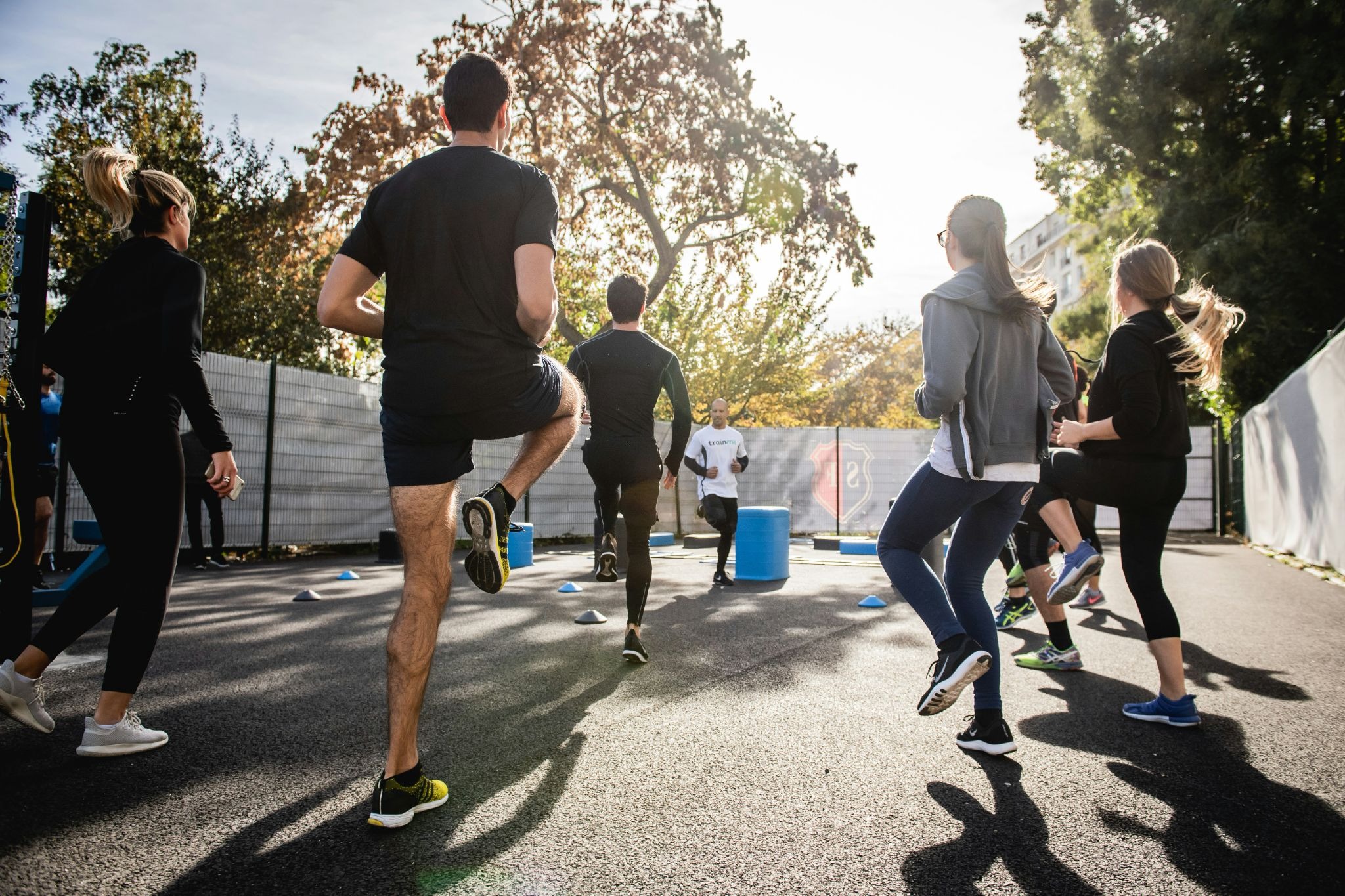
Want to give your recovery the best possible shot at sticking?
Many believe that conquering addiction is simply a matter of will power and counseling. Will and therapy are important, yes. There is, however, a mighty weapon right beneath your nose that is overlooked.
That tool is physical fitness.
Addiction recovery and wellness are linked, proven by science. Exercise won’t just change your body. It rewires your brain, boosts your mood and restores healthy routines simultaneously.
Here’s the problem: Recovery is hard. Relapse is common.
Actually studies have found that relapse rates for individuals recovering from alcohol, drugs, and opioids are around 40% to 60%. Which is terrifying. However, that also means there’s a great opportunity to improve, and exercise may be one of the easiest ways to improve your odds.
This isn’t feel-good advice. It’s real talk. If you or a loved one is on the journey to recovery, being in a quality treatment program that incorporates movement into your recovery can have life-changing benefits. You can Visit Website to learn how a holistic approach treats mind and body together.
Let’s dive in…
Why Fitness Matters In Recovery
Recovery isn’t only about quitting a substance. It’s about rebuilding a whole life.
Which brings us to the next point: exercise. Addiction deteriorates your body and mind. Working out allows you to rebuild them one step at a time.
Think about it for a second…
Life in active addiction lacks structure. You forget about routine. You forget about healthy habits. Exercise provides a whole new schedule to fill your day. You wake up, you sweat, you feel good. Plain and simple.
Need some perspective on how big of a problem this is? In 2024, approximately 48.4 million Americans age 12 or older had an alcohol or drug use disorder. Yeah, that’s about 1 in 6 people. So if you are one of those people struggling, please know you are not alone by any means.
The good news is that millions of people recover each and every year. Those who incorporate fitness into their recovery often far exceed expectations of those who don’t.
The Brain Benefits Of Moving Your Body
Here’s something most people don’t realise…
Addiction rewires your brain chemistry. It commandeers your reward system by causing dopamine to flood through it. When you go into withdrawal, your brain feels numb and dull. Cravings are powerful because of that emptiness.
Exercise helps fix this.
Exercise causes your brain to produce healthy happy chemicals. This is the reward your brain has been seeking with drugs, only these rewards are natural. Your reward pathway will begin to heal itself with time.
This is huge for a few reasons:
- It reduces cravings: Movement helps quiet the urge to use.
- It eases anxiety and depression: Two of the biggest relapse triggers.
- It improves sleep: Better rest means better decisions.
- It sharpens your thinking: You become more focused on your goals.
Plus, they check out when we look at the numbers. Research published in Frontiers in Psychiatry discovered that consistent exercise throughout recovery decreased relapse rates by as much as 17%.
Seventeen percent doesn’t seem like much. Until you’re battling addiction. Every little percentage point brings you closer to not relapsing.
Pretty powerful, right?
Building Your Personal Fitness Toolkit
Now to the fun part. Let’s actually build your toolkit.
You don’t need to spend money on a gym membership or special equipment to do this. You need to use a workout plan that you will follow through with. These are the staples of every recovery fitness workout.
Cardio For The Cravings
Cardio is your secret weapon against cravings.
Examples include walking, jogging, biking or swimming. All of these activities increase your heart rate and produce endorphins (remember those happy chemicals from earlier?) that improve your mood. A brisk 20-minute walk can eliminate a craving before it has control of you.
The great thing is cardio can be done just about anywhere. You don’t need any special equipment. Just put on your shoes and go.
Strength Training For Confidence
Lifting weights does more than build muscle.
It helps you believe in yourself. Seeing yourself improving week after week, you begin to realize that you can change your life. That mentality translates into your recovery as well.
You also don’t need bulky barbells. Exercises such as push-ups, squats, and lunges require no weights and are effective for beginners.
Mind-Body Practices For Calm
Recovery is stressful. There’s no way around that.
Mind-body exercises such as yoga, stretching, and breathing work because they help settle your nervous system. You learn how to sit with uncomfortable emotions rather than using a drug or chemical.
Many recovery programs incorporate yoga into their curriculum these days. Yoga is that powerful for regulating stress/emotion.
Staying Consistent For The Long Haul
Here’s the truth nobody likes to hear…
Starting your fitness journey is simple. Maintaining your fitness journey is hard. Consistency is where the magic happens though. Going to the gym once a month isn’t going to change anything. Going to the gym a few times a week, every week WILL.
So how do you stay consistent? Here are a few tricks.
Begin absurdly small. You’re not going to run five miles today. Promise yourself a 10-minute walk. Small victories create momentum. Momentum fuels consistency.
Find something you love to do. If you despise running, don’t run. Dance, hike, play basketball, or swim. If you enjoy your exercise and don’t see it as a punishment you will continue to do it.
Partner up. Find someone to exercise with. Your buddy will keep you accountable. Additionally, simply spending time with others will help counteract addiction’s isolation.
Keep in mind that fitness is only part of the solution. It is most effective when used with group meetings, therapy, and professional care. The best recovery programs involve a little bit of everything.
Bringing It All Together
So there you have it.
Physical fitness is one of the most underutilized tools in recovery from addiction. It repairs brain chemistry, improves your mood, adds structure to your days, and reduces your chances of relapse. Recovering offers you a lot of wins just by moving your body.
To quickly recap what we covered:
- Fitness gives recovery a new foundation to build a healthy life around.
- Exercise resets your brain’s reward system and cuts down cravings.
- Build a balanced toolkit with cardio, strength work, and mind-body practices.
- Stay consistent by starting small and finding activities you genuinely enjoy.
Recovery takes time. No one does it perfectly. Some days will be good, others will be hard. But every time you choose to move your body, you are choosing recovery.
The reality is that sustainable health begins with holistic care of the individual, not just their addiction. Begin with where you are, with what you have and take that first step today.

Quietly, gaming communities have become one of the most powerful trauma recovery support systems.
For a long time, the assumption was that gaming was isolating people from real connection. But the opposite is true. In guilds, Discord servers, and online lobbies, players are finding their tribe – and for many it’s the first place they can be vulnerable.
Supported by an engaged gamer community, members in recovery from trauma can feel less isolated, locate organic peer support, and be directed to offline resources as needed.
Here is how to do it the right way…
Why Gaming Communities Matter For Trauma Recovery
Trauma is a lot more common than people realise.
In truth, nearly 6% of American adults will have PTSD in their lifetime and about 5% in any given year. So, in one guild of 100 players, there are likely a few who are going through something rough.
And many of them won’t say a word about it.
That’s the beauty of gaming communities. Trust already exists between the players. They have spent countless hours raiding, grinding, and laughing through voice chat. The relationships are real — even if they were built through a screen.
When someone can’t afford therapy or is too afraid to seek help, the community is often the first safe space they’ll have. The knowledge of where to find proper PTSD treatment is a large piece of the long term healing puzzle but the support inside the community is what gets someone to take that first step. The little check ins. The “you good?” texts. The lobby that goes quiet so one person can vent.
That stuff matters. A lot.
It also helps that gaming naturally lends itself to coping. The rise of online gaming during COVID-19 supported virtual communication and connection, functioned as a coping strategy to mitigate stress and isolation, and gave players a sense of belongingness.
Spotting The Signs A Member Is Struggling
Most people won’t directly tell you they are struggling with trauma.
You just have to learn to watch for them. And honestly… once you know what to look for, they are really obvious.
Some common signals to watch for:
- Sudden withdrawal: A regular player stops coming suddenly or quits in the middle of the game more frequently.
- Mood shifts: Snapping at teammates or unusually flat responses when they used to be hyped.
- Sleep talk: Bringing up insomnia, nightmares, or playing at strange hours to avoid sleeping.
- Dark humour spikes: Making jokes about not being here anymore / “finishing” / “ending it” — even if it “sounds like a joke.”
- Avoidance: Declining to play games/maps that were once their favorite.
Disclaimer: None of these individually are indicative of a person being in trauma. However, if you observe several in a row, it is a signal to check.
The 5x Best Ways To Support Members With Trauma
Now to the actual support strategies.
These are the strategies that work — both in cozy little Discord servers and in massive gaming communities. Choose a few to focus on, dip your toes in the water, and expand from there.
1. Create A “No Pressure” Check-In Culture
The single biggest error that a community makes? Hosting a black-tie affair for mental health discussions.
Humans go dark when they sense something is getting too heavy. Instead, integrate informal check-ins as part of regular community life. A “how’s your week been?” channel. A weekly mood thread. A bot that periodically posts a random check-in question.
The operative word is normalizing — not exceptionalizing. When it is normal, folks start just doing it without asking permission.
2. Train Your Mods On Trauma-Informed Responses
Your mods are the front line.
When a user vents something dark in chat, the reaction is key. Mods who overreact or close down the discussion are making it 10x worse.
Train your mod team to:
- Listen first, fix later
- Avoid saying “I know how you feel”
- Never share what someone said in DMs without permission
- Know when to escalate to professional help
A mod that has the capacity to hold space for a struggling member is priceless.
3. Build A Resource Channel (And Actually Update It)
Most communities have a “resources” channel that nobody updates.
Don’t be that community.
Pin actual information that members can have on hand for when they need it. Crisis numbers. Low cost therapy resources. Trauma support groups. Apps for grounding and panic attacks. Keep it brief and to the point.
4. Run “Low-Stakes” Game Nights
Competitive gaming is fun, but it can be a painful experience for someone who is in a poor mindset.
Schedule frequent low-stakes game nights for no reason other than to socialize. Cozy games. Cooperative games. Nothing competitive. Stardew Valley. Sea of Thieves. Lethal Company. Anything where the atmosphere is more important than the results.
These nights act as a cushion for members who can’t cut it in ranked, but still want to be with their peeps.
5. Connect Members To Real Help (Without Pushing)
This is where a lot of communities mess up.
You are not a therapist. The community is not a clinic. The job is not to fix anyone — it’s to help them find someone who can.
When someone tells you they’re struggling, softly remind them that real help is available. Leave a resource link. Offer to hold them while they call. The average time from a traumatic event to reaching out to a professional for PTSD is 12 years — anything a community can do to reduce that gap is a victory.
That’s the objective: from “I feel awful” to “I’m getting help.”
Building A Safer Community Culture
The strategies above only work if your community culture supports them.
Toxic gaming spaces will erase all of the progress made. So before shoving trauma support work, look at the larger culture.
Ask yourself:
- Are slurs and pile-ons being shut down quickly?
- Do members feel safe being honest about a bad day?
- Is mental health treated like real health — or like a joke?
If any of those is answered with “not really” — that’s where it begins. A safe culture does not develop overnight. It’s derived from clear expectations, consistent enforcement, and leaders who “walk the walk”.
Final Thoughts
Trauma recovery: A chance for gaming communities to do what few other spaces can.
The connections are genuine. The relationships are authentic. The trust has been established. The contact is continuous. All of this in summary:
- Watch for the quiet signs that someone is struggling
- Make check-ins feel normal, not formal
- Train your mods to handle heavy conversations
- Run low-stakes game nights as a soft landing
- Connect members to real help when they need it
You can’t save everyone. No group can. But the little things — the words, the waiting, the lobby that falls silent for one person — that’s what matters. That’s what keeps them going.
And that’s worth showing up for.

Floor dance requires fluid movement, controlled transitions, and frequent contact with the ground, which puts significant pressure on your knees. Wearing knee pads correctly is not just about comfort, it directly impacts your safety and performance quality. Poorly positioned pads can slip, restrict movement, or fail to protect you during spins, slides, and drops.
The first step is choosing knee pads that fit snugly without cutting off circulation. They should stay in place as you move but still allow flexibility. Many dancers prefer models with ergonomic shaping and breathable materials to avoid overheating during long sessions. When selecting gear, it is helpful to explore specialized dancewear collections such as QueenWearOfficial designed specifically for flexibility and durability in floor-based choreography.
Once you have the right knee pads, positioning becomes crucial. The padding should fully cover the kneecap and slightly extend above and below it. This ensures protection not only during direct contact but also during transitions where your weight shifts across the joint. Adjust the straps so they are secure but not overly tight, as excessive pressure can limit blood flow and cause discomfort.
Another important aspect is testing your range of motion. Before starting your routine, try basic movements like kneeling, sliding, and turning. If the pads shift or feel unstable, reposition them until they stay aligned with your knee throughout the motion. Consistency in placement helps build muscle memory and confidence during more complex choreography.
Tips for Comfort and Performance Enhancement
Comfort plays a key role in maintaining focus during practice or performance. Wearing knee pads over fitted dancewear can reduce friction and prevent irritation. Some dancers also use thin leg warmers underneath for added cushioning and stability. The goal is to create a balance between protection and freedom of movement.
Material choice also matters. High-density foam provides better shock absorption, while gel inserts offer enhanced comfort for prolonged floor work. Depending on your style, you may prefer one over the other. For example, contemporary floor dance often benefits from softer padding, while more dynamic styles may require firmer support.
Maintaining your equipment is equally important. Regularly check your knee pads for wear and tear, especially if you practice frequently. Worn-out padding loses its protective properties and should be replaced promptly to avoid injury.
Finally, remember that confidence comes from preparation. Properly worn knee pads allow you to focus on expression and movement without hesitation. By combining the right fit, correct positioning, and quality materials, you create a solid foundation for safe and effective floor dance practice.
-

 Finance3 years ago
Profitable Intraday Trading Advice For Novices
-

 Gaming3 years ago
Pixel Speedrun Unblocked Games 66
-

 Gaming4 years ago
Subway Surfers Unblocked | Subway Surfers Unblocked 66
-

 Internet3 years ago
Welcome to banghechoigame.vn – Your One-Stop Destination for Online Gaming Fun!
-

 Gaming4 years ago
Minecraft Unblocked Games 66 | Unblocked Games Minecraft
-

 Gaming4 years ago
Google Baseball Unblocked | Google Doodle Baseball Unblocked 66
-

 Gaming4 years ago
Tunnel Rush Unblocked | Tunnel Rush Unblocked 66
-

 Internet3 years ago
Premium Games Unblocked: Unleash Your Gaming Potential