

Gaming
Sniper 3D
Master the art of Sniper 3D with our comprehensive guide! From unique features to top tips, become the ultimate sniper. Aim high and win!

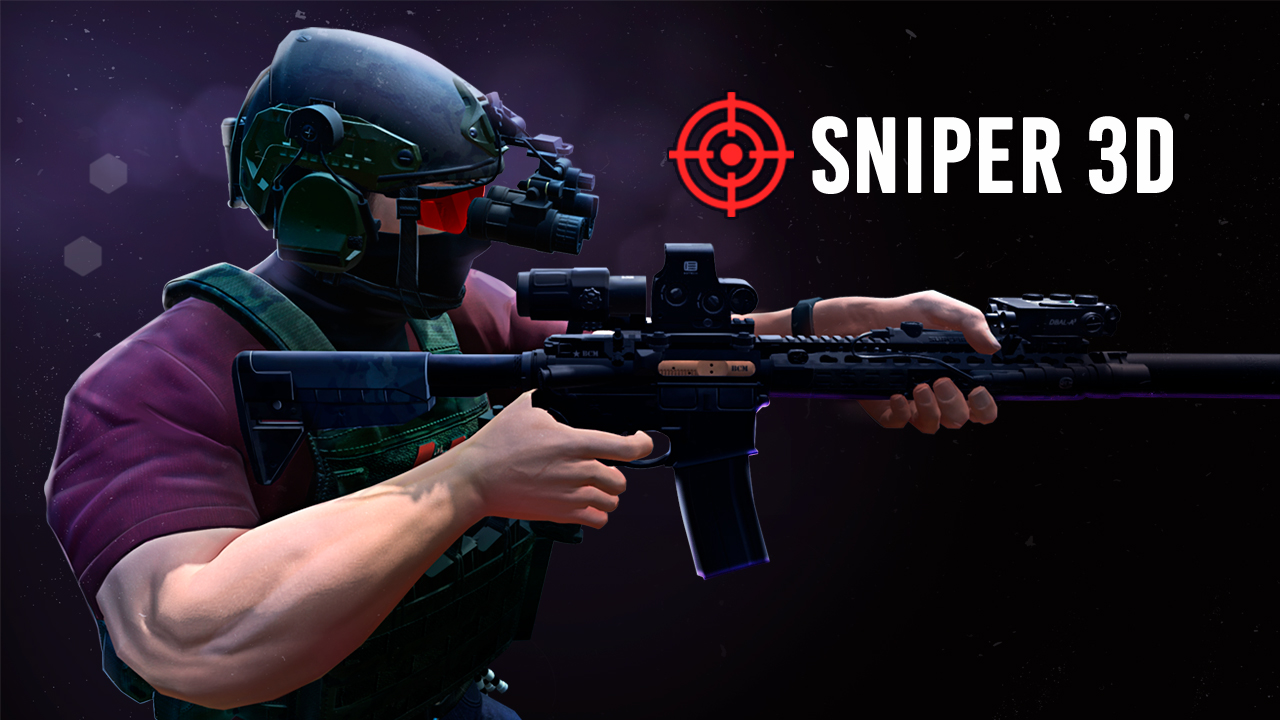
Welcome to the realm of action-packed gaming experiences. Today we dive into the world of Sniper 3D. This game has been capturing hearts since its launch. It offers not just simple point and shoot dynamics but a whole range of missions. You get to be the sniper. Your mission is to eliminate targets. The game unfolds in various cities. Each city presents its own challenges.
Now let’s talk graphics. The game gives you stunning visuals. They are so lifelike you’ll feel you’re part of the action. Every gunshot, every scope aim is highly detailed. And the sound effects make it even more realistic. Every gunshot echoes in your ear. You can hear footsteps. It makes the game thrilling.
What sets Sniper 3D apart is its simplicity. The controls are intuitive. Even if you’re new to gaming, you’ll pick it up fast. You tilt your device to aim. Then you tap to shoot. That’s it. No complex controls to remember.
But don’t think this game is a walk in the park. The missions grow harder as you advance. You have to strategize. Sometimes you only get one shot to complete your mission. So aim wisely and pull the trigger only when you’re sure.
Lastly, this game offers endless content. You get numerous missions. You can also customize your weapons. Upgrades are available to make you the ultimate sniper. Plus, new cities unlock as you complete missions. So the game always feels fresh.
Mastering Sniper 3D: Take Aim & Conquer the Game!
Today, we’ll dissect this riveting game, equipping you with strategies, controls, and an in-depth understanding of its gameplay. It is more than just another shooting game; it’s a journey of precision, strategy, and skill. So, lock and load.
Gameplay: Hitting the Mark Every Time

In Sniper 3D, the world is your battleground. You take on the role of a skilled sniper, completing various missions that challenge your aim, timing, and judgment. Starting in a city filled with targets and enemies, your primary objective is to eliminate designated targets without being detected.
As you navigate the game, missions become more challenging. Some will require you to take down moving targets, while others might pit you against the clock. Every successful mission earns you coins, enabling upgrades, and unlocking newer, more challenging arenas.
Controls: Steady Hands Win the Game
If you’ve ever thought that controlling a sniper game would be complicated, Sniper 3D proves you wrong. Here’s how to master the basics:
- Aim: Simply tilt your device. This moves your sniper’s scope. Line it up with your target.
- Zoom: Slide your finger up or down. This adjusts your scope’s zoom, offering a closer or broader view of the scene.
- Shoot: Found your target? Tap the screen to fire. One clean shot can mean the difference between success and failure.
The beauty of game’s control system lies in its simplicity. But don’t mistake simple for easy. Perfecting that aim takes practice.
Strategy: More Than Just Pulling the Trigger
While having a keen aim is essential, Sniper 3D requires more than just quick reflexes. As you progress, strategy becomes paramount. Choose which missions to tackle, based on your skill and the rewards on offer. Invest in weapon upgrades to ensure you always have the best tool for the job. Sometimes, patience is key. Waiting for the perfect moment can be more effective than rushing and risking a missed shot.
Sniper 3D Levels Unveiled: From Rookie to Legend!
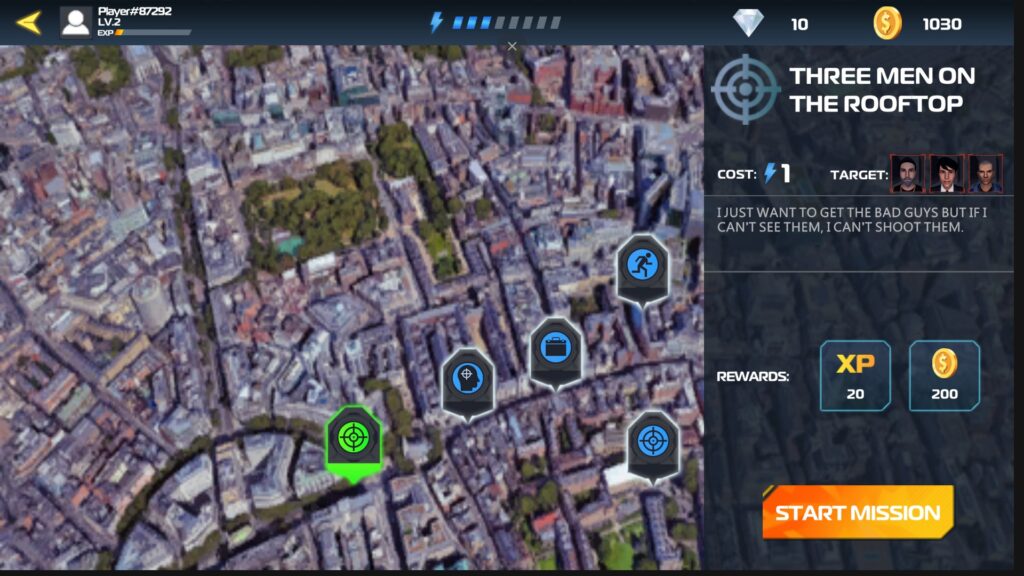
With this game, it’s not just about being a great shot; it’s also about leveling up and tackling the increasing challenges that come your way. From the streets of a crime-ridden city to secret military bases, every level offers a unique challenge.
The Rookie Zone: Learning the Ropes
Congratulations! You’ve just downloaded Sniper 3D and completed the tutorial. Welcome to the Rookie Zone! Here, you’ll face simple targets and stationary enemies. The main objective is to get you comfortable with the controls—aiming, shooting, and zooming. Don’t get too cozy, though; the real challenges lie ahead.
City Streets: Where it Gets Real
Once you pass the rookie phase, you’ll find yourself on the busy streets of a bustling city. Targets start moving, and you’ll have to consider factors like timing and wind speed. This level is the first taste of what Sniper 3D really has to offer. Here, you’ll start earning coins, which you can use for essential upgrades.
The Mob Levels: Take Down the Underworld
Get ready to dive into the seedy underworld. The mob levels introduce you to organized crime figures. Targets become trickier, hiding in moving vehicles or behind other objects. Completing these missions successfully often means waiting for the perfect shot, requiring patience and skill.
Military Base: The High-Stakes Arena
When you hit the Military Base levels, you know you’ve arrived. Your enemies are now highly trained soldiers, equipped with advanced gear. Stealth becomes critical; one wrong move and you’re caught. These levels are high-stakes, high-reward scenarios that put all your acquired skills to the test.
Secret Missions: For the Elite Players
Just when you thought you’d seen it all, Sniper 3D throws in some special, time-limited secret missions. These are sporadic events that offer huge rewards. The catch? They’re incredibly challenging, often featuring unique scenarios that you won’t find in regular gameplay.
The Legend Tier: Where Legends are Born
Welcome to the pinnacle of Sniper 3D. Reaching the Legend Tier is no small feat. Here, you face the hardest missions the game has to offer. Enemies are smarter, faster, and better equipped. But by now, you’re a pro too, wielding top-of-the-line weapons and having mastered the art of the perfect shot.
Final Round
There you have it—your comprehensive guide to the intricate levels! Each tier offers its own unique set of challenges, ensuring that the game never becomes stale. Now that you know what’s ahead, lock and load. It’s time to level up your game and shoot your way to Sniper 3D glory!
Top Tips and Tricks to Dominate the Game!
- Aim Like a Pro: Tilt your device slowly for precise aiming; quick movements can throw off your shot.
- Master the Zoom: Use the zoom feature wisely; not every shot requires maximum zoom.
- Patience Pays: Wait for the perfect shot instead of rushing; timing is crucial.
- Upgrade Smartly: Prioritize weapon upgrades that improve accuracy and reload speed.
- Diversify Your Arsenal: Don’t stick to just one gun; different missions may require different types of weapons.
- Know Your Missions: Always read mission briefs carefully to understand your objectives and targets.
- Manage Your Energy: Plan your game time around the energy bar; you don’t want to run out in the middle of a crucial mission.
- Cash and Diamonds: Save up in-game currency for high-quality upgrades; avoid unnecessary cosmetic purchases.
- Take Advantage of Daily Rewards: Log in daily to snag free rewards like energy refills, cash, and even diamonds.
- Use Cover: When available, use cover to protect yourself from being spotted or shot at.
- Silent but Deadly: Invest in silencers to complete missions without alerting nearby enemies.
- Keep an Eye on Side Missions: Side missions often offer great rewards and are an excellent way to earn extra cash.
- Time-Limited Events: Participate in special events to earn exclusive rewards and powerful weapons.
- Multiplayer Mode: Don’t ignore multiplayer; it’s a great way to earn extra rewards and hone your skills.
- Learn from Mistakes: If you fail a mission, figure out what went wrong and adjust your strategy.
- Optimize Device Settings: Make sure your device is set to ‘Game Mode’ or similar for the best possible performance.
Unveiling Sniper 3D: Unique Features That Set It Apart!

- Lifelike Graphics: Stunning 3D visuals create an immersive sniping experience.
- Vast Arsenal: Extensive range of customizable weapons and gear.
- Dynamic Missions: Variety of mission types from simple to high-stakes scenarios.
- Realistic Physics: Gravity and wind factors affect your shots, adding realism.
- PvP Arena: Compete against real players globally in Player vs. Player mode.
- Daily Rewards and Challenges: Stay engaged with daily bonuses and unique challenges.
- Global Locations: Multiple settings around the world, each offering unique challenges.
- In-Game Currency: Buy better weapons and upgrades using Sniper 3D’s in-game currency.
- Intuitive Controls: Easy-to-learn controls that are challenging to master.
- Energy System: Resource management adds another layer of strategy to mission selection.
- Offline Mode: Playable without an internet connection, a rarity among modern mobile games.
- User-Generated Missions: Create and share your own missions for an ever-expanding experience.
- Interactive Scenarios: Missions include elements like exploding barrels for more ways to eliminate targets.
- Advanced AI: Smart and unpredictable enemy behavior adds to the challenge.
Frequently Asked Questions
How do I get more diamonds and coins in Sniper 3D?
You can earn more diamonds and coins by completing missions, participating in daily challenges, and logging in daily for rewards. There’s also an option to purchase them via in-app transactions.
Can I play this game offline?
Yes, it offers an offline mode where you can play without an internet connection. However, some features like PvP Arena require an online connection.
How do I upgrade my weapons?
To upgrade weapons, go to the “Arsenal” section in the game menu. Here, you can use your in-game currency to purchase various upgrades such as improved scope, better grips, and more powerful ammunition.
How can I improve my aim?
Practicing in different missions helps improve your aim. You can also upgrade your weapon for better accuracy. Utilizing the game’s zoom function effectively will also enhance your aiming skills.
Is Sniper 3D free to play?
Yes, it is free to download and play. However, it does offer in-app purchases for those looking to expedite progress or acquire premium items.
Final Shot
So there you have it. We’ve walked you through the unique features of the game. We’ve also tackled tips, tricks, and frequently asked questions. Now you’re well-equipped to dominate the game. Whether you’re a rookie or a seasoned player, these insights can elevate your game. So don’t wait. Download Sniper 3D now. Aim high and make every shot count. See you on the leaderboard!
People Also Searched For
- Slope Unblocked Games
- Moto X3m
- 1v1.lol Unblocked 66
- Fireboy And Watergirl Unblocked
- Happy Wheels Unblocked Games
- Minecraft Unblocked Games 66
- Drift Hunters Unblocked
- Tunnel Rush Unblocked
- Eggy Car Unblocked 66
- Google Baseball Unblocked
- Fall Boys Unblocked
- Bouncy Rush
- Cookie Clicker Unblocked Games
- Pixel Combat 2
- Little Alchemy 2
- Subway Surfers Unblocked
- Planet Clicker 2
- Retro Bowl Unblocked
- Big Tower Tiny Square Unblocked
- Rooftop Snipers Unblocked
- Getaway Shootout Unblocked
- Papa’s Cheeseria
- Heardle Game
- Iron Snout Unblocked
- Basketball Legends
- Flappy Bird Unblocked
- Highway Racer
- Geometry Dash Unblocked
- Crazy Shooters
- Basketball Stars Unblocked
- Rummy Wealth
- Among Us Unblocked
- 8 Ball Pool Unblocked
- Garden Tales
- Mahjong Connect
- Coin Clicker
- Tetris Unblocked
- Chess Unblocked
- Stickman Hook Unblocked
- Mario Unblocked
- Tiny Fishing Unblocked
- Bob The Robber Unblocked
- Fortnite
- io Unblocked Games
- 2048 Unblocked
- Cricmania
- Smash Karts Unblocked
- Drive Mad Unblocked
- Tallman Run
- Monkey Mart
- Snow Rider 3D Unblocked
- Unblocked Games WTF
- Unblocked Games
- Crossy Road Unblocked
- Cat Ninja Unblocked
- Slither.io Unblocked
- Penalty Shooters 2
- Worlds Hardest Game Unblocked
- Vex 3 Unblocked
- Ping Pong Unblocked
- Backflip Maniac
- Unicycle Hero Unblocked
- Rocket League Unblocked
- Game Online Gratis
- 66 Unblocked Games
- Google Tic-Tac-Toe
- hole io unblocked
- FNF Unblocked
- Cricket Legends
- Pacman 30th Anniversary
- Pacman Unblocked
- Fly or Die
- Bitlife Unblocked
- Sausage Flip Unblocked
- Drift Boss Unblocked
- Madalin Stunt Cars 2 Unblocked
- Paper io Unblocked
- Granny Unblocked
- krunker.io unblocked
- G Switch
- Temple of Boom
- Shell Shockers Unblocked
- Eaglercraft
- Pocket Emo
- Rolling Ball 3D Unblocked
- Blackjack Unblocked
- Roblox Unblocked
- Traffic Jam 3D
- Tomb Runner
- Super Smash Flash 2 Unblocked
- Unblocked Games 911
- Yummy Tales 2
- Block Champ
- Dinosaur Game Unblocked
- Moto Road Rash 3D Unblocked
- Merge Fruit
- Cat Runner
- Love Tester 3
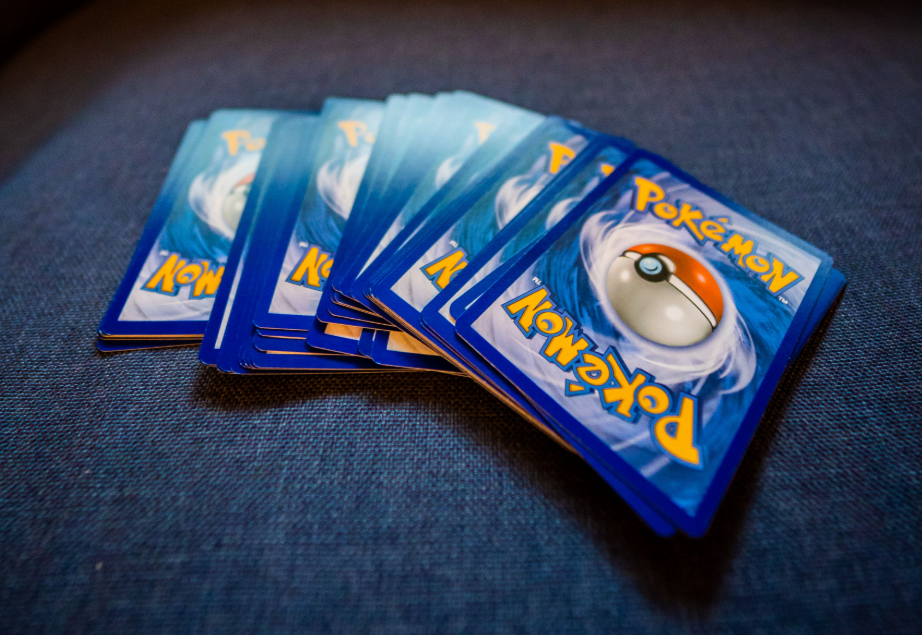
The shiny pieces of cardboard you traded in the schoolyard are really no longer just childhood keepsakes. Today, high-value Pokémon cards are attracting serious attention from people looking beyond the stock market or increasingly unaffordable real estate for alternative ways to diversify their portfolios.
You may remember ripping open booster packs in search of your favorite Pokémon, but today’s market views certain cards very differently. Rare, high-grade vintage collectibles can now sell for prices comparable to fine art, classic cars or rare wine, turning a nostalgic hobby into an established collectible market with growing financial significance.
From Childhood Hobby to Investment Portfolio
Many physical collectibles tend to increase in value due to limited supply and growing nostalgia among adults who can spend money freely. In past decades, wealth creation was about stocks, government bonds and real estate. These days, however, new assets have been recognized and rare collectibles have been added to the discussion.
For any collectible to be considered an asset class, the infrastructure and active trading, along with clear pricing, should be in place. It has all been done.
Collectors review rare printings just like investors do with companies, based on the results achieved by these firms in past years, not on speculation. Mature markets require platforms that can independently evaluate the value of collectibles based on thousands of transactions.
Auction data, grading standards and an increasing number of online marketplaces allow both buyers and sellers to better understand the fair market value.
Tracking Real-Time Prices and Market Movements
Following a market containing more than 20,000 unique cards requires constant access to pricing data and sales history. Transparency is essential in any alternative asset because it allows buyers and sellers to make informed decisions. Without centralized tracking, placing an accurate value on a high-grade vintage card would be little more than educated guesswork.
Market history also shows that certain categories can rise or fall quickly as economic conditions change or collector interest shifts. For example, a monthly publication from cardtrack.com reports that the broader trading card market shows noticeable movements across multiple sub-indices, ranging from graded singles to sealed booster boxes.
These updates provide historical comparisons that help illustrate how market activity responds during periods of inflation or changing consumer demand.
Understanding this data can help you avoid buying into the market when prices have already reached temporary highs.
What Makes a Card a Strong Collectible Asset?
Not every Pokémon card is capable of holding its value over time, so choosing carefully is essential. Long-term success depends on recognizing the characteristics that help protect an asset from changing market conditions.
When evaluating whether a card has genuine investment potential, consider these key factors:
- Population Reports: The number of copies officially graded in a particular condition by independent authentication companies.
- Historical Liquidity: How frequently the card appears in public sales, indicating how easily it can be sold when needed.
- Cross-Generational Appeal: The lasting popularity of the featured Pokémon, helping sustain collector demand over time.
- Physical Preservation: Clean edges, strong centering and minimal surface wear, all of which significantly impact value.
The Costs Behind Buying and Selling
Collectibles come with challenges that traditional investments generally avoid. Buying and selling shares can often be completed within seconds for very low fees, while selling a valuable trading card may involve grading, authentication, shipping, insurance and marketplace commissions.
These additional costs can reduce overall returns if they are not considered from the beginning.
Professional grading companies assess condition on a scale from 1 to 10 and even the smallest flaw can make a substantial difference. A microscopic scratch on a holographic card may lower it from Gem Mint to Near Mint, creating a significant price gap.
Because condition is so important, collectors must also think about proper storage, environmental protection and insurance when holding valuable cards over many years.
The Future of Collectible Investing
The long-term strength of any alternative asset depends on consistent demand rather than short-lived speculation. Trading cards have continued generating billions of dollars in annual sales even after the surge in interest during the pandemic began to settle.
As younger generations accumulate more wealth, demand for tangible collectibles with cultural significance may continue to strengthen. That shift reflects a growing preference for physical assets that combine nostalgia with long-term collectability.
Even so, Pokémon cards should be approached with balance rather than excitement alone. Vintage cards from the late 1990s have generally shown greater long-term stability, while modern ultra-rare releases remain affected by ongoing production and fluctuating supply.
Success in this market belongs to collectors who study population reports, monitor pricing trends and make decisions with the same discipline they would apply to more traditional investments.
For many people, that means viewing collectibles as one part of a broader portfolio rather than relying on them as a standalone investment strategy.
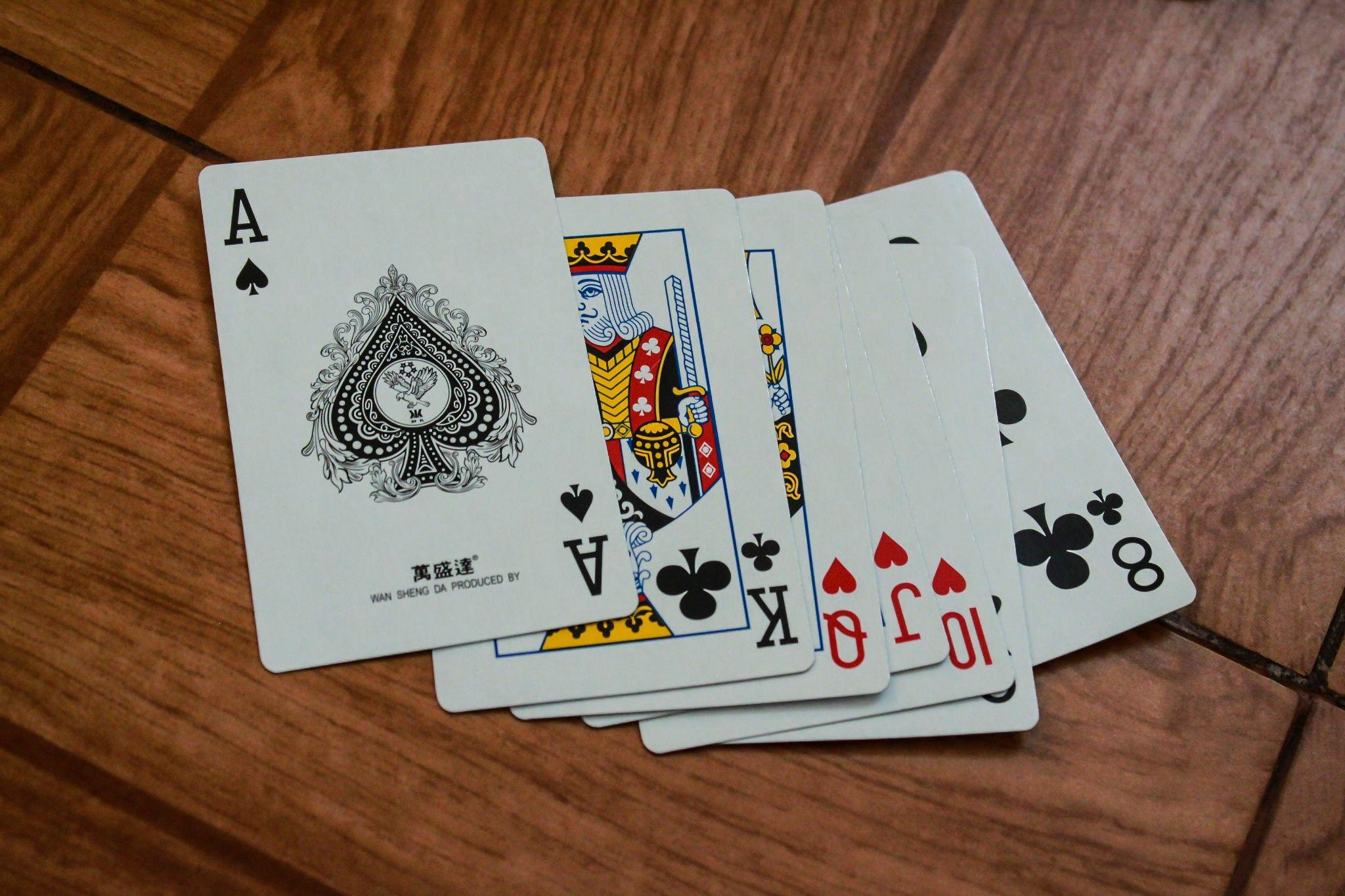
Every experienced Tongits player thinks they have the game entirely figured out. After hundreds of matches, your card counting feels automatic, and your winning strategies seem flawless. However, even the most seasoned veterans also quietly fall into repetitive patterns that bleed chips without realizing it.
The truth? Complacency is your biggest enemy at the table. Minor bad habits can turn a winning streak into an expensive losing session. Here, let’s take a look at the critical blunders that even pro players still make and how exactly you can correct them:
1. Holding High Cards Too Long
Many seasoned players hold onto Kings and Queens hoping to form a meld late in the game. This mistake drastically inflates your hand score if someone suddenly calls a draw. High points are a massive liability when the deck runs out.
How to fix it: Dump your high cards early if they do not match right away. Keeping low cards minimizes your risk.
2. Forgetting Card Tracking
Experienced players often rely on raw instinct rather than actively tracking discarded cards. When you stop counting what has been thrown down, you waste time waiting for a card that is already gone—this ruins your strategy completely.
How to fix it: Pay very close attention to the discard pile. Treat every thrown card as a vital clue to adjust your open combinations.
3. Rushing Your Melds
Throwing down your melds the very second you form them is a classic trap. Laying your cards out early gives your opponents free options to dump their own cards onto your piles, stripping away your tactical advantage.
How to fix it: Keep your melds hidden in your hand until the perfect moment. Only expose them when it secures your win or prevents a high penalty.
4. Neglecting Player Behavior
Focusing solely on your own cards is a major blind spot. Veteran players often forget to watch how their opponents react when drawing or passing cards. You miss critical tells that reveal whether they are close to winning.
How to fix it: Study the table closely. Watch which cards your opponents pick up from the discard pile to predict their exact needs.
5. Underestimating Secret Piles
It is easy to forget about the hidden cards your opponents are keeping secret. Players often assume they know the table dynamics while ignoring what remains unplayed in closed hands. This lack of caution leads to sudden, shocking defeats.
How to fix it: Always assume your rivals have a powerful combination waiting. Play defensively whenever the main deck starts growing dangerously thin.
6. Playing with Fixed Patterns
Predictable players are super easy to beat. If you use the same exact opening moves and discard routines every single game, it makes your strategy entirely transparent to smart rivals. Trust me, they will quickly learn how to counter your style.
How to fix it: Mix up your gameplay. Change your discarding habits and bluff occasionally to keep everyone at the table guessing your next move.
Wrapping Up
Ultimately, mastering Tongits requires breaking free from comfortable, bad habits. So stay sharp, track your cards, and mix up your play style, and you will easily outsmart the competition and protect your chips in no time.

Every browser game with an unlock screen was teaching the same lesson that slot machines had been teaching long before the internet existed. Play long enough, hit the right moment, and something new appears. The reward was virtual and the stakes were imaginary, but the underlying logic was not: unpredictable outcomes at variable intervals produce stronger engagement than fixed rewards on a predictable schedule. That architecture came from spinning reels, which had been running it for decades.
The players who grew up on browser unlocks developed expectations that slot and casino designers would recognise immediately: rewards should feel earned, arrive at the right moment, and make the next session worth starting. Gaming and casino reward design have been running on parallel tracks for thirty years, sharing the same psychological foundation, and at each stage of gaming’s evolution the distance between those two tracks has narrowed.
Achievements Turned the Unlock Screen Into a Platform Feature
Steam Achievements systematised what browser games had done informally. A permanent progress record across an entire library, visible to other players, attached to your platform identity. What game designers were calling a variable reward schedule in their documentation was the same architecture that slot designers had been running for decades before the first Steam game launched. Both industries had reached the same conclusion: the most engaging systems are ones where the player cannot predict exactly when the next payoff arrives.
CS:GO case openings made the connection explicit inside mainstream gaming. Players paid a small amount for a randomised outcome with variable value: a rare knife skin, a common weapon finish, everything in between. That is a slot mechanic by design.
The Steam Marketplace then gave those outcomes real exchange value, meaning the pull-and-reveal structure that drives spinning reels was producing items worth genuine money inside one of the world’s largest gaming platforms. Mobile gacha systems scaled the same model further. Players spent real money to receive randomised virtual rewards. By the mid-2010s, the gaming economy had normalised a version of slot logic that operated at every price point.
The Steam Deck made this convergence physical. A device that carries a full gaming library also sits comfortably alongside casino platforms where the reward structures, including free spins with real money, are built on exactly the mechanics that CS:GO cases, gacha pulls, and Steam’s trading card drops had already made familiar to the gaming audience. The free spin arrives without upfront cost. Its value is real. The player evaluating it already has the vocabulary, because gaming spent years teaching them a slightly lower-stakes version of the same thing.
F2P Design and Slot Mechanics Share the Same Blueprint
The variable reward schedule has been the subject of Game Developers Conference sessions on F2P monetisation and live-service design for years. The consistent finding is that unpredictable rewards at meaningful intervals produce better engagement than fixed-reward structures. Slot machines were running this architecture for decades before mobile gaming codified it in developer documentation. Free spins work for the same reason slot reels do: the outcome is uncertain, the anticipation is real, and the resolution arrives after a period of variable length that the player cannot control.
The first-time casino bonus, free spins with no deposit required, mirrors the free-to-play starter pack that mobile games have used to convert casual interest into active accounts. Casino floors introduced complimentary slot play long before mobile gaming existed for the same reason: remove the first-spend barrier and let the reward loop do the retention work. The design logic is identical across the two formats.
Browser Games Were Always Part of This Lineage
The browser games ecosystem has always included simple slot-style mechanics alongside platformers and puzzles: the spin-to-win bonus, the scratch card format, the randomised reward wheel. These existed inside browser gaming before online casinos became a mainstream category. The casual browser slot and the real-money free spin share the same underlying structure. The difference is not the mechanic. It is what the mechanic pays out.
The progression from a browser unlock screen through Steam Achievements, CS:GO case openings, gacha pulls, and on to real-money free spin bonuses is not a series of separate developments. It is one continuous evolution of the same reward architecture, applied at progressively higher stakes. Players who started in browser gaming find each layer intuitive because the design has not changed. The currency and the payout changed. The spin is the same one it has always been.
-

 Finance3 years ago
Profitable Intraday Trading Advice For Novices
-

 Gaming3 years ago
Pixel Speedrun Unblocked Games 66
-

 Gaming3 years ago
Subway Surfers Unblocked | Subway Surfers Unblocked 66
-

 Internet3 years ago
Welcome to banghechoigame.vn – Your One-Stop Destination for Online Gaming Fun!
-

 Gaming3 years ago
Minecraft Unblocked Games 66 | Unblocked Games Minecraft
-

 Gaming3 years ago
Google Baseball Unblocked | Google Doodle Baseball Unblocked 66
-

 Gaming3 years ago
Tunnel Rush Unblocked | Tunnel Rush Unblocked 66
-

 Internet3 years ago
Premium Games Unblocked: Unleash Your Gaming Potential