

Gaming
How Gun Customization in Games Compares to Real Life


Gun customization ranks among the top gaming features players adore. Whether it’s decking out an AR in Call of Duty or a sniper in Escape from Tarkov, the flashy visuals and instant gratification feel gratifying. But how do these virtual upgrades measure up in the real world?
To start, the global gaming accessories market hit $10.5 billion in 2024, driven by immersive features like in-game weapon personalization. Meanwhile, the actual firearms customization market (barrels, stocks, optics) rises steadily through 2025.
Let’s take a detailed tour: from flashy skins and quick-scopes to barrels, triggers, and real mechanical outcomes. We’ll examine what gamers fantasize about, what gunsmiths enjoy, and why both communities overlap more than you think.
1. Visual Skins vs. Real-World Cosmetics
In games, unlocking a gold-plated sniper rifle or neon ACR often takes skill or grinding. No impact on performance, just visual flair.
In real life? A flashy Cerakote finish boosts aesthetics, but black or pink color doesn’t change accuracy. Cosmetic mods like colored handguards or stock coatings serve looks but influence resale value more than function.
Still, plenty of shooters love personalization. Installing custom wood furniture on a Zastava M70, for example, offers both tradition and flair. Check out furniture sets via Zastava parts kits. You enjoy that beautiful wood and tactical respect. Real-life swag carries substance, beauty, and reliability.
2. Optics and Sights: Scope Swap Speed Isn’t Just a Game Trick
Aiming through a game scope feels immediate: magnification, reticle, and zeroing in. In reality, swapping optics takes time and precision. You need proper mounts, torque settings, and often a re-zero after every switch.
Game devs simplify this. Real gunsmiths spend hours aligning red dots, zeroing scopes, and testing recoil before declaring a rifle config combat-ready. It’s not flashy, but it matters.
3. Barrel Upgrades: More Than Pixel Damage
In games, picking a “long barrel” adds accuracy. But in reality, you’d adjust barrels based on ammunition, desired range, or velocity. A longer barrel increases muzzle velocity but also adds weight and length, affecting handling.
Building with real barrels demands threading, ensuring headspace, managing harmonics, and using a properly fitted gas system. Not exactly quick unlocks, but satisfying for those who love depth.
4. Triggers and Fire Control Systems: Pull, Not Just Click
Virtual trigger mods may increase fire rate or accuracy stats. In reality, installing a crisp trigger kit (like a drop-in unit) improves pull weight and reset, enhancing accuracy and shot control.
Smiths adjust components like springs, sear engagement, and pivot geometry. That’s where price tags vary between $150 and $600+ for premium parts. Gamers click once. Real shooters calibrate precision.
5. Rail Systems and Handguards: Function Over Flair
Game customization shows rails for lasers, flashlights, and grips. In real life, you mount a free-float handguard to stabilize optics or reduce barrel heat. Those Picatinny or M-LOK systems balance accessory space with weight and sturdiness.
Proper installation involves torque wrenches, torque specs, barrel nut alignments, and gas tube adjustments, not a quick toggle in a menu.
6. Suppressors/Flash Hiders: Tactical or Just Trendy?
Games reward stealthy suppressed kills or flashy muzzle devices. In reality, adding a suppressor improves hearing protection and reduces flash, but it requires paperwork: paperwork, waiting periods, tax stamps, and length penalties.
Silencers may boost recoil slightly due to added weight; flash hiders are cheaper but function differently. No suppressor = no secret ninja kicks, just legal hoops.
7. Magazine Swaps: Stat Boosts vs. Weight and Reliability
Unlimited ammo capacity? That’s a cheat code in games. In real guns, extended magazines add weight and may cause feeding issues. You’ll need dust cover support, springs strong enough for 40 rounds, and careful tolerance testing.
Game players see “+50 mag size”; real shooters check feed geometry and drop reliability into dirt before declaring victory.
8. Armor, Stocks, and Cheek Rises: Handle That Recoil
Game stats reward ergonomic stocks for recoil control. Real life demands precision: adjusting cheek weld, measuring LOP (length-of-pull), and choosing recoil-absorbing materials. Stocks that look sharp might result in cheek rub or misaligned eye-to-optic during follow-up shots.
Comfort matters, just like recoil punishes when ergonomic detail misses. No virtual drop-off after a headshot.
9. Tactical Attachments: Things Games Miss
Appearances aside, the real world offers smart gear like:
- Bipods for stable shooting from benches or a prone stance
- QD sling mounts that allow sling rotation
- Suppressor alignment washers to time muzzle devices correctly
Games include flashlights or lasers, but forget the practical elements that improve target acquisition, handling noise, or concealment in dynamic environments.
10. Skill vs. Specs: Real Expertise Wins
Games use numbers. You hit “+20% damage” or “+10% accuracy” and expect results. In real life, performance depends on training, ammunition variation, and environmental factors like wind and light.
A perfect scope and trigger only matter as much as your ability to use them. Build silver; become gold through practice.
Final Thoughts: Engineers of Aim
Customization serves both communities: players and mechanics. Games offer quick gratification and visual feedback. Real gunsmithing demands precision, tools, and time, just like building truck superstructures. Yet, both communities enjoy creativity, performance tuning, and aesthetics.
So next time your avatar shows off a neon sniper, remember the real-world equivalent took hours in a gunsmith’s shop, hundreds in paperwork, or thousands in parts. Appreciate both workouts, the reflex drill and the torque wrench.
Because real guns earn respect. Games earn adrenaline.

An online casino used to feel much more like a website you visited with a game already in mind. You wanted roulette, so you found roulette. You wanted a slot, so you went into the slot section and picked one. Casino apps have changed that behaviour. Now a lot of the experience happens before the game even opens.
The lobby has become part of the entertainment
A modern casino app can hold hundreds of titles, which creates a strange problem. Having more games sounds useful until you actually have to choose one. That is why the lobby has become much more important. New releases sit beside popular games. Recently played titles come back to the front. Live casino has its own area, and slots may be broken into smaller groups rather than thrown into one enormous list. The app is not only storing games anymore. It is helping people decide what to open.
Phones encourage more jumping between games
Desktop casino sessions can feel more settled. On a phone, switching takes almost no effort. A player might open Aviator for a few rounds, move into a slot, check a live blackjack table and then return to something they played earlier. That kind of movement suits apps because the whole casino stays close. There is no need to open another browser tab, search again or reload the homepage every time. Once someone chooses a bet app download, that convenience becomes one of the main reasons to keep using the app rather than returning to the browser.
Recently played may matter more than recommendations
Recommendation systems get plenty of attention, but one of the most useful features is much simpler. Remember what I played. Casino libraries are now large enough that finding the same game again can be surprisingly annoying. A recently played section solves that without needing complicated technology. It also fits the way people actually use entertainment apps. Streaming services remember unfinished shows. Music apps keep recent albums close. Casino apps are doing much the same thing with games.
Different games need different mobile treatment
Not every casino title fits naturally onto a phone. Slots usually adapt easily because most of the important action happens in the centre of the screen. Aviator is similarly compact. Roulette creates more trouble because the betting grid contains a lot of small areas. Live casino has to fit the dealer, table and controls into the same display without making any of them feel squeezed. That means the app cannot simply shrink every desktop game by the same amount. Good mobile design is more selective than that.
Game loading matters more when people browse
There is another consequence of moving between games more often. Loading time becomes noticeable. If every new title takes too long to open, browsing starts feeling like work. Apps therefore need to handle game launches smoothly, especially when titles come from several different providers. The technical side is mostly invisible when it works.
The casino app has become a game library in its own right
This is probably the bigger shift. People are not only using casino apps to access games they already know. They are using them to find the next one. The home screen, search, recently played list and game categories all influence what gets opened next. That makes the app itself part of the casino experience rather than just a container around it. The games still matter most. But increasingly, the way people discover those games matters almost as much.

Crypto casinos look similar until the welcome package is unpacked. Sign-up bonuses are how platforms compete, yet many players register with no code and stay on the baseline offer. A documented Roobet promo code is the difference between a generic rakeback drip and an upgraded welcome path that may include a cash boost, Roo’s Raffle tickets, or first-day loss protection.
This article explains the standard no-code offer, what an exclusive Roobet bonus code typically unlocks, who is eligible, and how to claim it without missing the promo field.
The baseline: Roobet’s standard welcome offer (no code)
Without a code, new users typically receive the default welcome track: entry-level RooWards enrollment after a deposit, a modest rakeback percentage, and sometimes a small credit once the first crypto deposit confirms. That is the control group. Anything a promo adds should beat this floor.
- Standard rakeback only, with no boosted first-week rate
- No extra raffle tickets tied to a partner campaign
- No exclusive loss-back window
- No upgraded deposit match cap
The exclusive unlock: what the promo code actually provides
Partner codes vary, but the upgraded Roobet welcome bonus usually sits in one of these buckets:
- The match: a 100% crypto deposit match up to a stated USD equivalent
- The spins: Roo’s Golden Spins or a named slot pack
- The safety net: loss-back insurance for the first 24 hours
- The raffle: extra tickets into Roo’s Raffle
HELLAGO
Enter the code exactly during registration. Codes are often case-sensitive and cannot be applied after the account exists.
Feature No code With promo code Deposit match None or a small default Often 100% up to a higher cap Free spins / raffle Rare on day one Common in partner packs Loss protection Not included Sometimes 24-hour loss-back RooWards start Base tier May include VIP-track entry
Who is eligible?
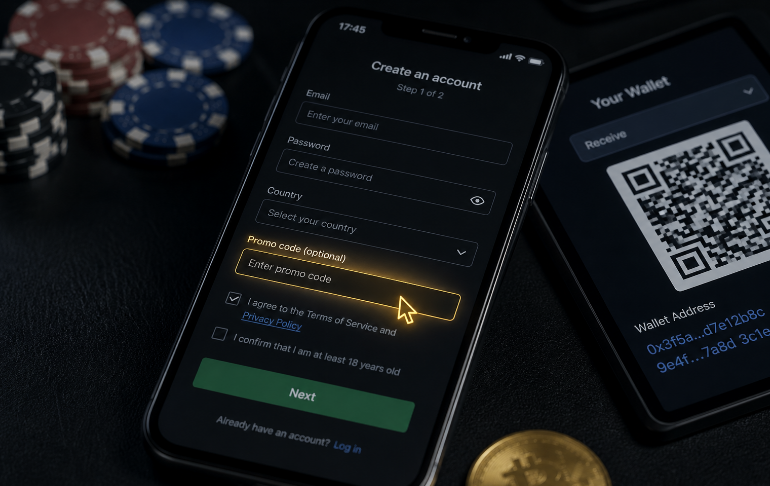
Missing the promo field is the most common way to lose the upgrade.
- New registrations only. Existing accounts cannot usually retrofit a welcome code.
- Geo rules. Restricted countries (including markets such as the US and UK where the product is not offered) cannot claim. VPNs that hide a banned region can void the account.
- KYC. Withdrawing bonus-derived winnings typically requires at least Level 2 verification.
- One per household / IP. Duplicate accounts are a common reason bonuses get stripped.
Step-by-step: how to claim the exclusive bonus
- Open Roobet through a tracked, secure registration link.
- Create the account with a real email, username, and password.
- Fill the promo code field before submitting – this is the step players skip.
- Make the minimum qualifying crypto deposit.
- If needed, activate the bonus in Rewards, then complete wagering before withdrawing.
Terms worth reading
| Rule | Typical effect |
| Wagering (e.g. 30x) | You must cycle bonus funds before cashing out |
| 7-day expiry | Unused bonus value disappears |
| Slots 100% / tables ~5% | Blackjack and roulette barely clear rollover |
| Max bet while bonus is live | Oversized spins can void the offer |
Why Roobet still stands out in crypto casino bonuses
Fast Bitcoin, Ethereum, and Litecoin deposits pair well with time-limited welcome offers. Provably fair originals, a large slot lobby, and RooWards give the bonus somewhere to go after day one. That does not make every Roobet deposit bonus a good deal – it only means the plumbing (speed, crypto rails, loyalty) is strong enough that a clean code is worth using.
FAQ
Can I use the Roobet promo code if I already have an account?
No. It is for new registrations.
Does the promo code work on mobile?
Yes. Desktop and mobile browsers use the same code field.
Why isn’t my bonus showing up?
Confirm the minimum deposit, spelling, and the Rewards panel. Blockchain confirmation can take a few minutes.
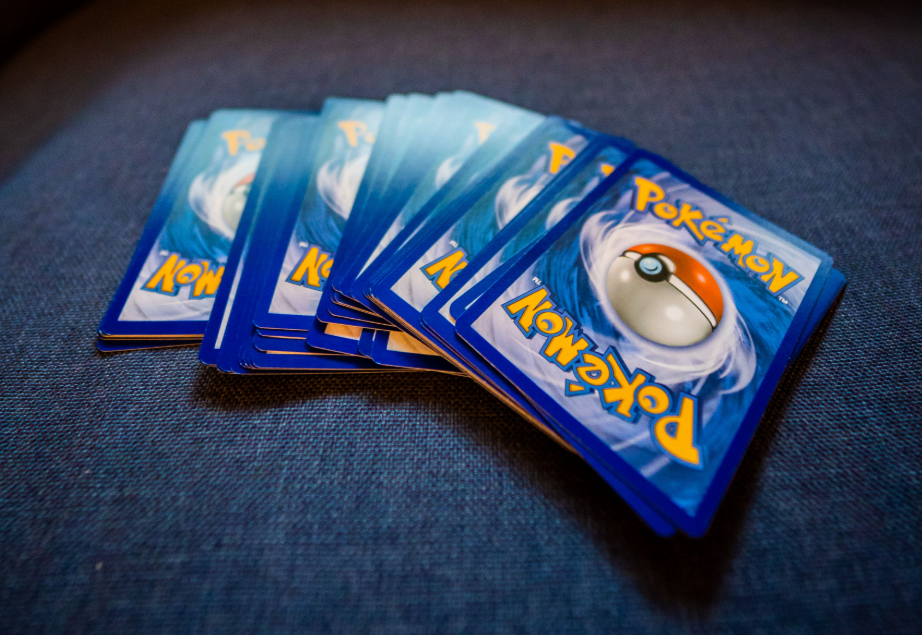
The shiny pieces of cardboard you traded in the schoolyard are really no longer just childhood keepsakes. Today, high-value Pokémon cards are attracting serious attention from people looking beyond the stock market or increasingly unaffordable real estate for alternative ways to diversify their portfolios.
You may remember ripping open booster packs in search of your favorite Pokémon, but today’s market views certain cards very differently. Rare, high-grade vintage collectibles can now sell for prices comparable to fine art, classic cars or rare wine, turning a nostalgic hobby into an established collectible market with growing financial significance.
From Childhood Hobby to Investment Portfolio
Many physical collectibles tend to increase in value due to limited supply and growing nostalgia among adults who can spend money freely. In past decades, wealth creation was about stocks, government bonds and real estate. These days, however, new assets have been recognized and rare collectibles have been added to the discussion.
For any collectible to be considered an asset class, the infrastructure and active trading, along with clear pricing, should be in place. It has all been done.
Collectors review rare printings just like investors do with companies, based on the results achieved by these firms in past years, not on speculation. Mature markets require platforms that can independently evaluate the value of collectibles based on thousands of transactions.
Auction data, grading standards and an increasing number of online marketplaces allow both buyers and sellers to better understand the fair market value.
Tracking Real-Time Prices and Market Movements
Following a market containing more than 20,000 unique cards requires constant access to pricing data and sales history. Transparency is essential in any alternative asset because it allows buyers and sellers to make informed decisions. Without centralized tracking, placing an accurate value on a high-grade vintage card would be little more than educated guesswork.
Market history also shows that certain categories can rise or fall quickly as economic conditions change or collector interest shifts. For example, a monthly publication from cardtrack.com reports that the broader trading card market shows noticeable movements across multiple sub-indices, ranging from graded singles to sealed booster boxes.
These updates provide historical comparisons that help illustrate how market activity responds during periods of inflation or changing consumer demand.
Understanding this data can help you avoid buying into the market when prices have already reached temporary highs.
What Makes a Card a Strong Collectible Asset?
Not every Pokémon card is capable of holding its value over time, so choosing carefully is essential. Long-term success depends on recognizing the characteristics that help protect an asset from changing market conditions.
When evaluating whether a card has genuine investment potential, consider these key factors:
- Population Reports: The number of copies officially graded in a particular condition by independent authentication companies.
- Historical Liquidity: How frequently the card appears in public sales, indicating how easily it can be sold when needed.
- Cross-Generational Appeal: The lasting popularity of the featured Pokémon, helping sustain collector demand over time.
- Physical Preservation: Clean edges, strong centering and minimal surface wear, all of which significantly impact value.
The Costs Behind Buying and Selling
Collectibles come with challenges that traditional investments generally avoid. Buying and selling shares can often be completed within seconds for very low fees, while selling a valuable trading card may involve grading, authentication, shipping, insurance and marketplace commissions.
These additional costs can reduce overall returns if they are not considered from the beginning.
Professional grading companies assess condition on a scale from 1 to 10 and even the smallest flaw can make a substantial difference. A microscopic scratch on a holographic card may lower it from Gem Mint to Near Mint, creating a significant price gap.
Because condition is so important, collectors must also think about proper storage, environmental protection and insurance when holding valuable cards over many years.
The Future of Collectible Investing
The long-term strength of any alternative asset depends on consistent demand rather than short-lived speculation. Trading cards have continued generating billions of dollars in annual sales even after the surge in interest during the pandemic began to settle.
As younger generations accumulate more wealth, demand for tangible collectibles with cultural significance may continue to strengthen. That shift reflects a growing preference for physical assets that combine nostalgia with long-term collectability.
Even so, Pokémon cards should be approached with balance rather than excitement alone. Vintage cards from the late 1990s have generally shown greater long-term stability, while modern ultra-rare releases remain affected by ongoing production and fluctuating supply.
Success in this market belongs to collectors who study population reports, monitor pricing trends and make decisions with the same discipline they would apply to more traditional investments.
For many people, that means viewing collectibles as one part of a broader portfolio rather than relying on them as a standalone investment strategy.
-

 Finance3 years ago
Profitable Intraday Trading Advice For Novices
-

 Gaming3 years ago
Pixel Speedrun Unblocked Games 66
-

 Gaming3 years ago
Subway Surfers Unblocked | Subway Surfers Unblocked 66
-

 Internet3 years ago
Welcome to banghechoigame.vn – Your One-Stop Destination for Online Gaming Fun!
-

 Gaming4 years ago
Minecraft Unblocked Games 66 | Unblocked Games Minecraft
-

 Gaming3 years ago
Google Baseball Unblocked | Google Doodle Baseball Unblocked 66
-

 Gaming3 years ago
Tunnel Rush Unblocked | Tunnel Rush Unblocked 66
-

 Internet3 years ago
Premium Games Unblocked: Unleash Your Gaming Potential