

Business
Why Chillers and Cooling Towers Are Essential for Commercial Buildings

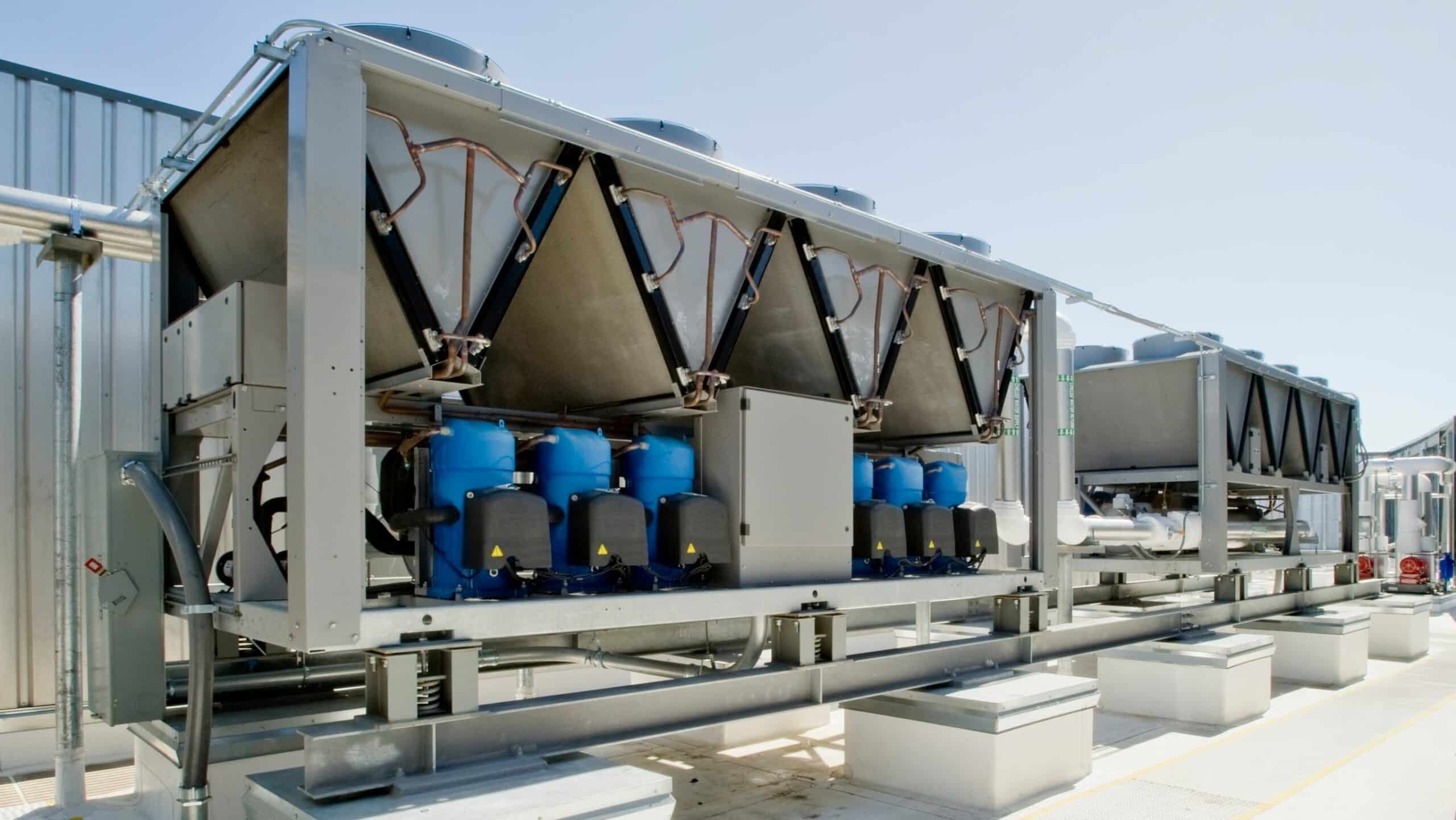
Chillers and cooling towers are essential for maintaining comfortable indoor temperatures in commercial buildings while managing energy costs. Together, they form the core of HVAC systems, ensuring efficiency and occupant comfort. This guide explains how these systems work, their roles in cooling operations, and key maintenance tips to optimize performance and reduce costs.
How Chillers Work
Chillers are the workhorses of commercial cooling systems. These machines remove heat from a liquid (typically water) through a vapor-compression or absorption refrigeration cycle. The chilled water then circulates throughout the building to absorb heat from indoor spaces.
The basic chiller process involves four main components: the evaporator, compressor, condenser, and expansion valve. Refrigerant flows through these components in a continuous cycle. In the evaporator, the refrigerant absorbs heat from the water, causing it to evaporate into a gas. The compressor then pressurizes this gas, raising its temperature significantly.
Next, the hot, high-pressure refrigerant gas moves to the condenser, where it releases heat and returns to a liquid state. Finally, the expansion valve reduces the pressure of the liquid refrigerant before it returns to the evaporator to begin the cycle again.
Chillers come in two main types: air-cooled and water-cooled. Air-cooled chillers use fans to blow air across the condenser coils, releasing heat directly to the atmosphere. Water-cooled chillers, on the other hand, use water to remove heat from the condenser—and this is where cooling towers become essential.
How Cooling Towers Work
Cooling towers serve a specific but crucial role in commercial cooling systems. They remove heat from water that has been warmed by the building’s heat-rejection process, primarily from water-cooled chillers. Think of them as giant heat exchangers that use evaporation to cool water.
The process starts when warm water from the chiller’s condenser enters the top of the cooling tower. This water cascades down through a series of fill materials designed to maximize surface area and contact time with air. As the water falls, fans draw air upward through the tower.
Evaporation does the heavy lifting in heat removal. As some of the water evaporates, it takes heat energy with it, cooling the remaining water. The cooled water collects in a basin at the bottom of the tower and returns to the chiller to start the process over again.
Cooling towers come in several configurations, including natural draft, mechanical draft, and crossflow or counterflow designs. Mechanical draft towers, which use fans to move air, are most common in commercial applications because they provide more precise control over cooling capacity.
The makeup water system continuously adds fresh water to replace what’s lost through evaporation, drift, and blowdown. This constant water turnover helps maintain water quality and prevents the buildup of minerals and contaminants.
Synergy Between Chillers and Cooling Towers
Water-cooled chillers and cooling towers work as an integrated system, each component enhancing the other’s performance. This partnership creates significant advantages over air-cooled systems, particularly in larger commercial applications.
The cooling tower enables the chiller to operate more efficiently by maintaining consistently cool condenser water temperatures. Unlike air-cooled chillers, which must work against ambient air temperatures, water-cooled chillers benefit from the cooling tower’s ability to achieve water temperatures below the ambient air temperature through evaporative cooling.
This temperature advantage translates directly into energy savings. Water-cooled chillers typically operate 10-15% more efficiently than their air-cooled counterparts because the chiller’s compressor doesn’t have to work as hard to reject heat. The lower condensing temperatures reduce the pressure difference the compressor must overcome.
The system’s efficiency improves even more during cooler weather. Cooling towers become increasingly effective as ambient temperatures drop, allowing the entire system to operate at peak efficiency when outdoor conditions are favorable.
Heat rejection capacity also scales better with this configuration. Large commercial buildings generate substantial heat loads that would require massive air-cooled condensers. Cooling towers provide a more compact and cost-effective solution for rejecting large amounts of heat.
Maintenance and Efficiency Tips
Proper maintenance keeps chiller and cooling tower systems running efficiently while extending their lifespan. Regular attention to both components prevents costly breakdowns and maintains optimal performance.
Chiller Maintenance Essentials
Monitor refrigerant levels and pressures regularly. Low refrigerant levels force the system to work harder, increasing energy consumption and potentially damaging the compressor. Check for leaks at connections and seals, and address them promptly.
Clean evaporator and condenser tubes according to manufacturer schedules. Scale buildup and fouling reduce heat transfer efficiency, forcing the chiller to work harder to achieve the same cooling output. Water treatment programs help minimize fouling, but periodic cleaning remains essential.
Inspect and calibrate controls and sensors. Temperature and pressure sensors that drift out of calibration can cause the system to operate inefficiently or shut down unnecessarily. Regular calibration ensures accurate system operation.
Cooling Tower Maintenance Priorities
Water treatment deserves top priority in cooling tower maintenance. Untreated water leads to scale formation, corrosion, and biological growth. A comprehensive water treatment program includes chemical treatment, regular testing, and proper blowdown rates.
Clean fill materials and drift eliminators regularly. These components can become clogged with debris, algae, or scale, reducing the tower’s heat transfer capability. Regular cleaning maintains optimal air and water flow patterns.
Inspect fan systems, including blades, motors, and drive components. Vibration analysis can detect bearing problems before they cause expensive failures. Keep fan blades clean and balanced to ensure efficient air movement.
Check spray nozzles and distribution systems. Uneven water distribution reduces cooling efficiency and can cause hot spots in the tower. Replace worn or clogged nozzles to maintain proper water distribution patterns.
System-Wide Efficiency Strategies
Optimize chilled water and condenser water temperatures based on building load and weather conditions. Raising chilled water temperature by just one degree can reduce chiller energy consumption by 2-3%. Similarly, lowering condenser water temperature improves chiller efficiency.
Implement variable flow pumping systems. Constant flow systems waste energy by circulating water at full flow regardless of actual cooling demand. Variable flow systems adjust pump speed based on system requirements.
Consider free cooling when conditions permit. During cooler weather, some systems can bypass the chiller entirely and use the cooling tower to provide cooling directly. This “waterside economizer” approach can significantly reduce energy consumption during favorable weather conditions.
Regular professional inspections catch problems early. While daily and weekly maintenance tasks can be handled in-house, annual inspections by qualified technicians identify issues that require specialized knowledge. These inspections often reveal problems that could lead to major repairs if left unaddressed, much like AC repairs like those in Sandy that address system issues before they become costly failures.
Maximizing Your Commercial Cooling Investment
Chillers and cooling towers represent a significant investment in commercial building infrastructure. Understanding their operation and maintenance requirements helps building managers maximize this investment through improved efficiency, reduced energy costs, and extended equipment life.
The synergy between these systems creates opportunities for substantial energy savings compared to air-cooled alternatives. However, realizing these benefits requires consistent attention to maintenance and water treatment. Buildings that implement comprehensive maintenance programs typically see lower operating costs and fewer emergency repairs.
Consider conducting an annual assessment of your cooling system’s performance. This evaluation should include energy consumption analysis, water quality testing, and equipment condition surveys. The insights gained can guide maintenance priorities and identify opportunities for efficiency improvements.
Investing in proper training for maintenance staff pays dividends in system reliability and efficiency. Understanding how chillers and cooling towers work together enables maintenance teams to identify problems early and maintain optimal performance throughout the cooling season.
Conclusion
Now that we have discussed the importance of regular maintenance for cooling systems, it is evident that investing time and resources into proper upkeep can significantly benefit a building’s energy efficiency, reliability, and overall performance.

Most buyers treat transport as an afterthought. They win the bid, then scramble to figure out how to get the car home. That scramble often costs more than expected — in storage fees, missed deadlines, and avoidable stress.
Online auctions have opened access to bank-repossessed and bank-seized cars for sale, and to fleet liquidations that were once available only to dealers. But wider access also means more complexity. The gap between clicking “bid” and holding the keys involves title transfers, auction yard timelines, and carrier coordination.
In this post, we’ll discuss the full logistics chain — from winning the bid to taking delivery — so your next purchase moves smoothly from the auction lot to your driveway.
The Shift Toward Digital Acquisition
The primary driver behind the popularity of online auctions is the diversity of the inventory. Unlike a traditional used car lot, which is limited by physical space and local trade-ins, an online platform aggregates vehicles from insurance companies, rental fleets, and financial institutions. This variety allows buyers to target specific needs, whether they are looking for a reliable daily driver or a specialized project.
Digital platforms also provide transparency through data. High-resolution imagery, detailed condition reports, and third-party vehicle history integrations allow bidders to perform due diligence without traveling hundreds of miles. While the physical inspection is replaced by digital vetting, the depth of information often exceeds what a buyer might gather during a brief walk-around at a local dealership.
Understanding Sourced Inventory
A significant portion of the most competitive listings comes from specialized categories. For instance, bank-repossessed cars often represent a high-value segment of the market. These are typically vehicles reclaimed by lenders due to loan defaults. Because the bank’s primary goal is to quickly recoup the remaining loan balance rather than maximize retail profit, these units are often priced to move.
Similarly, bank repo cars for sale provide an opportunity to acquire relatively late-model vehicles that may still be under factory warranty. Unlike salvage units that require extensive structural repair, repossessed inventory is often in “ready-to-drive” condition, requiring only thorough detailing or basic maintenance. We often see these vehicles attract the most aggressive bidding because the gap between the auction price and the retail market value is so distinct.
Logistics and Transport Strategy
Winning the bid is only half the battle; the second half is transport. Most auction facilities have strict timelines for vehicle removal, often charging daily storage fees if a car isn’t picked up within a few business days. This is where professional shipping services become vital.
For buyers looking at bank-repossessed cars, the logistical plan should be ready before the auction ends. Coordination between the auction yard and the transport carrier requires precise timing. Using a dedicated shipping partner simplifies this by handling the gate passes, scheduling the carrier, and providing tracking updates. Whether the vehicle is being moved five miles or fifteen hundred, a structured transport plan protects the investment from unnecessary storage costs.
Evaluating Condition and Risk
Every auction purchase carries several variables. Successful buyers mitigate these by categorizing risk based on the vehicle’s origin. A car sourced from a mechanical failure claim requires a different budget than one sourced from a financial seizure.
When evaluating bank-repossessed cars, the primary concern is usually the maintenance history rather than structural damage. Someone struggling to make car payments may have also deferred oil changes or tire rotations. Conversely, insurance-sourced vehicles might have clear mechanical records but require bodywork. Balancing these factors allows a buyer to determine a “walk-away” price — the maximum they are willing to bid while still leaving room for necessary post-purchase repairs.
The Role of Transparency in Bidding
The modern auction environment thrives on information. Buyers no longer have to guess about a title’s status or the number of previous owners. Digital platforms integrate tools that flag critical issues, such as whether a vehicle was involved in a flood or if it has a branded title. This data-driven approach levels the playing field, allowing a first-time bidder to compete with seasoned wholesalers.
By reviewing the provided documentation, you can determine whether a vehicle has been through multiple auctions or is a “fresh” arrival. Fresh arrivals — those appearing for the first time after a repossession or insurance settlement — often represent the best chance for a deal, as they haven’t been picked over by other buyers who may have spotted a hidden flaw.
Finalizing the Transaction
After the transport carrier delivers the vehicle, the final step involves title processing and registration. This process varies by state, but the auction platform generally facilitates the transfer of documents from the seller to the buyer. It is important to keep all bill of sale documents and transport receipts organized, as the DMV often requires these to prove the chain of ownership and the price paid for tax purposes.
The efficiency of this entire cycle, from the initial search to the final registration, is what keeps the auction market growing. It turns a complex industrial process into a consumer-friendly experience.
Looking Ahead
As technology becomes more integrated into the automotive supply chain, barriers to entry for vehicle auctions are steadily falling. Real-time bidding via mobile apps and AI-assisted damage assessments are becoming standard. For the proactive buyer, this means more opportunities to find value in segments like repossessed inventory and fleet liquidations.
Success in this area doesn’t require mechanical genius; it requires a disciplined approach to research and a reliable logistical network. By focusing on high-probability inventory and planning for the transport phase in advance, anyone can navigate the auction landscape with confidence.
Business
Color Strategy for Business Spaces: How Dallas Brands Use Paint to Improve Trust and Experience

Color is one of the fastest signals a business sends.
Before a customer reads your signage, speaks to your staff, or evaluates your pricing, they have already formed an impression based on the space itself. Does it feel organized? Modern? Calm? Established? Neglected? In competitive markets, perception shapes trust long before performance has a chance to speak.
In Dallas, where commercial growth continues at a steady pace, visual differentiation matters. Yet the most effective brands do not rely on loud design. They rely on thoughtful color strategy supported by professional Dallas Commercial Painting expertise.
Paint is not decoration. It is positioning.
Why Color Builds Trust Faster Than Messaging
Trust is emotional before it is rational. A well-designed space reduces uncertainty. Clean lines, intentional color flow, and consistent finishes signal competence. When customers feel visually comfortable, they are more open to engagement.
Businesses that invest in Commercial Painting Services Dallas providers understand that repainting is not simply about refreshing walls. It is about reinforcing brand credibility.
Consider two professional offices offering identical services. One has mismatched tones, visible patchwork, and scuffed corridors. The other presents cohesive colors, crisp edges, and well-maintained finishes. Even before reviewing credentials, clients will gravitate toward the environment that feels deliberate and stable.
Color consistency communicates operational discipline.
In high-trust industries such as finance, healthcare, and law, that subtle reinforcement can influence conversion rates and client retention more than most realize.
Moving Beyond Basic Color Psychology
You have likely heard that blue signals trust and red signals urgency. While these associations exist, real commercial environments require deeper analysis.
Color perception is influenced by lighting, surface area, material context, and finish. A deep navy in a boardroom may feel authoritative. The same navy in a narrow hallway could feel oppressive. A bright white under cool LED lighting may feel sterile, while under warm lighting it may appear welcoming.
Experienced teams specializing in Commercial Painting Dallas TX projects approach color as a system, not a swatch.
Several principles tend to hold true across industries:
Calmness Reduces Friction
In environments where customers may feel vulnerable or uncertain, softer palettes reduce psychological resistance. Muted neutrals, warm grays, and balanced off-whites create a steady backdrop. Accent colors can still be used, but with restraint.
Energy Requires Structure
Retail stores, fitness studios, and hospitality venues benefit from energy, yet unstructured boldness often feels chaotic. Strategic placement of saturated colors near focal areas creates stimulation without overwhelming the space.
Repetition Builds Recognition
When brand colors appear consistently across locations, departments, and surfaces, customers perceive cohesion. Random variation weakens brand memory. Professional Dallas Commercial Painting strategies ensure that tones are calibrated and replicated accurately.
The result is not simply aesthetic harmony. It is brand reinforcement.
The Dallas Factor: Light, Heat, and Scale
Design decisions that work in other cities do not always translate directly to Dallas. Sun exposure, building materials, and lighting conditions all influence color performance.
Intense Natural Light
Large windows and strong sunlight can wash out pale colors or exaggerate undertones. A beige that appears neutral indoors may lean pink in direct afternoon light. Testing larger sample sections on-site is essential before committing to a full project.
Heat and Exterior Performance
Exterior commercial properties face significant thermal stress. Darker tones absorb heat, potentially accelerating wear on certain materials. Selecting high-performance coatings through experienced Commercial Painting Services Dallas professionals ensures color longevity without sacrificing design intent.
Expansive Square Footage
Commercial environments often involve wide walls and open floor plans. Colors that look balanced in a small office can feel overwhelming across thousands of square feet. Scale matters.
For this reason, professional Commercial Painting Dallas TX planning often includes mockups, phased application, and lighting evaluation before final rollout.
Translating Brand Identity Into Spatial Experience
Many businesses know their mission and voice. Fewer know how to translate that identity into physical color language.
A strategic process typically follows four steps.
1. Define the Emotional Objective
What should clients feel within the first minute?
Secure. Energized. Comfortable. Inspired. Premium.
Clarity at this stage prevents trend-driven mistakes.
2. Establish a Strong Neutral Foundation
Neutral does not mean boring. It means versatile. A refined base allows brand accents to stand out without overpowering the environment. This approach also makes future updates easier and more cost-effective.
3. Use Accent Colors With Purpose
Accent walls work best when they guide behavior or highlight importance:
- Reception backdrops
- Product feature zones
- Meeting spaces
- Directional corridors
Intentional placement amplifies impact.
4. Coordinate With Existing Materials
Flooring, millwork, furniture, and lighting must be considered. A sophisticated Dallas Commercial Painting plan evaluates these elements collectively. When tones clash, the space feels accidental. When they align, the space feels curated.
Finish Selection: The Detail That Signals Quality
Color choice often receives the spotlight, but finish selection quietly determines long-term perception.
Flat finishes can look elegant but may show scuffs in high-traffic corridors. Satin and eggshell often provide a balance between softness and durability. Semi-gloss works well for trim and doors where repeated contact occurs.
In commercial settings, maintenance realities must inform aesthetic decisions. Walls that degrade quickly undermine brand perception. Durable, washable coatings preserve visual integrity.
This is where experienced Commercial Painting Services Dallas teams differentiate themselves. They consider foot traffic, cleaning protocols, humidity levels, and operational demands before recommending systems.
The finish is not simply about shine. It is about longevity.
Edges, Lines, and Craftsmanship
Customers may not consciously evaluate cut lines and transitions, but they feel their presence.
Crisp edges around ceilings and trim communicate precision. Even coverage suggests attention to detail. Smooth surfaces reflect professionalism.
When workmanship is careless, no color can compensate. Investing in skilled crews through reputable Commercial Painting Dallas TX providers ensures that execution matches strategy.
In premium commercial spaces, refinement is what elevates the environment from acceptable to impressive.
Practical Color Guidance by Industry
While every business is unique, certain patterns tend to perform well.
- Medical and wellness: Warm whites with muted green or blue accents convey cleanliness without sterility.
- Corporate offices: Balanced neutrals with deeper accent walls in meeting rooms create focus and authority.
- Retail: Brighter neutrals paired with controlled brand accents direct attention to merchandise.
- Hospitality: Layered warm tones create comfort and encourage longer stays.
- Industrial spaces: Functional color zoning improves navigation and safety while maintaining durability.
Each scenario benefits from a coordinated Dallas Commercial Painting approach that aligns aesthetics with operational needs.
Paint as a Strategic Investment
Companies exploring Commercial Painting Services Dallas options often discover that the conversation quickly expands beyond color charts into brand alignment and experience design. That shift in mindset is what separates routine repainting from strategic transformation.
In a market as dynamic as Dallas, the businesses that win attention are rarely the loudest. They are the most intentional.
For organizations considering a refresh, it can be valuable to consult experienced local teams such as Dallas Paints, who understand both the technical demands of Commercial Painting Dallas TX projects and the subtle role color plays in shaping perception.
In the end, walls do more than divide space. They communicate who you are.
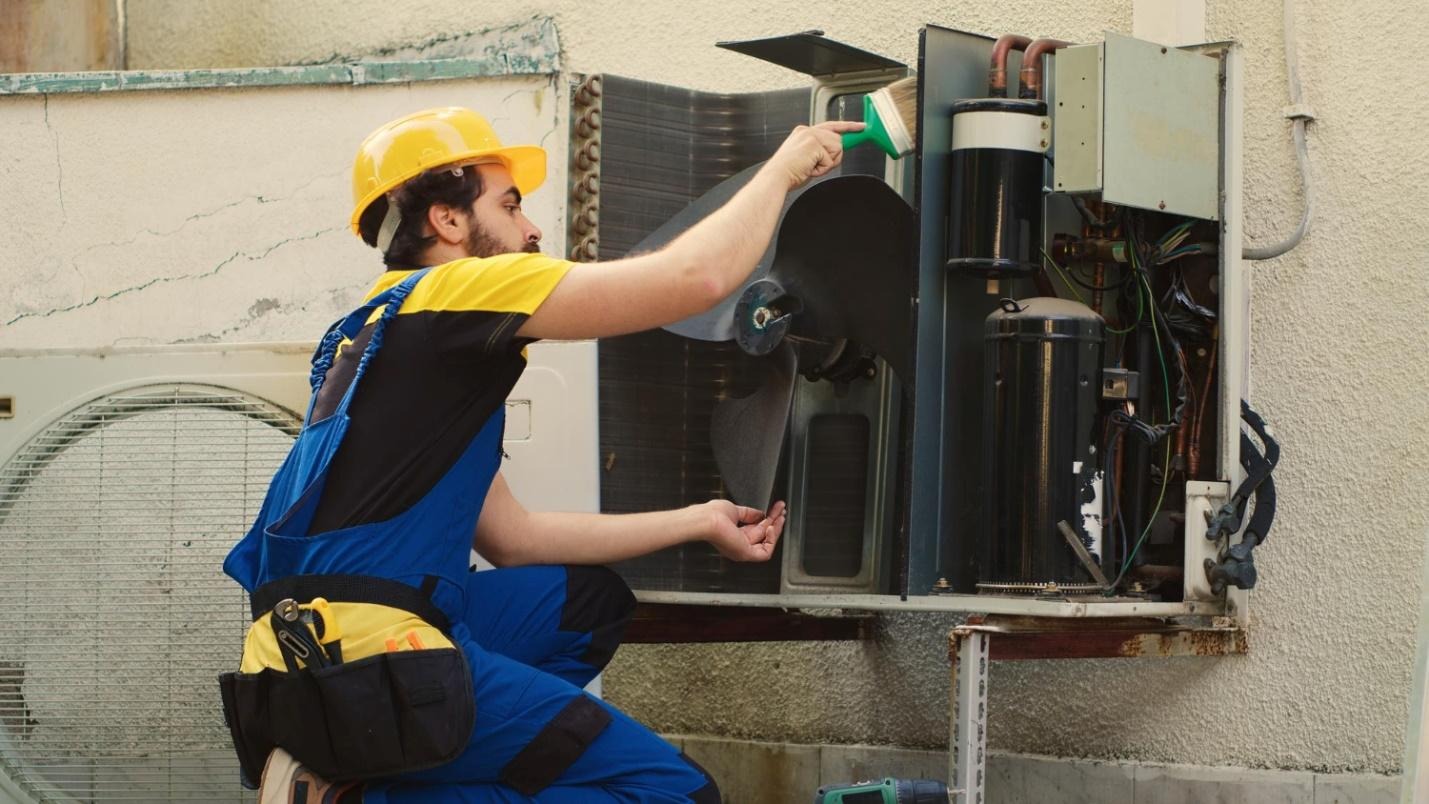
Air conditioners don’t break down overnight. Usually, they just fade away – slowly, quietly, almost politely – until one day the house is sticky, the air is tired, and the electric bill becomes belligerent for no apparent reason. What’s happening inside the unit is not dramatic. No explosions, no sparks. Just dirt. Layers of it. Dust, pollen, grease, sludge from excess moisture… the slow strangulation of a system that was meant to breathe.
In hot, wet climates like Marietta, air conditioners work hard for months. That constant workload means even small buildup inside the system compounds into major efficiency loss.
The Filter: Small Part, Big Consequences
Everyone talks about changing the filter. Almost nobody does it on time.
A clogged filter doesn’t just block dust — it chokes airflow across the entire system. When air can’t move properly:
- The evaporator coil gets too cold
- Moisture freezes instead of draining
- Ice forms, melts, refreezes
- Cooling output drops while energy use rises
The system ends up working twice as hard to produce half the comfort.
Many service calls for Ac repair in Marietta start with nothing more dramatic than a filter that hasn’t been changed in months. It’s mundane, but the damage adds up. Motors strain. Compressors cycle improperly. Components wear down faster than they should.
Evaporator Coils: The Hidden Dust Magnets
Inside the indoor unit sits the evaporator coil — the actual surface where heat gets pulled out of the air. It’s also the place most homeowners never see.
Over time, the coil collects:
- Fine household dust
- Pet dander
- Kitchen grease particles
- Mold spores carried by humidity
Coated, it will no longer function to cool the air. Consider trying to cool your favorite beverage with an ice cube that is covered with plastic. That’s essentially what happens.
Technicians handling Air conditioning repair Marietta jobs often report coils so matted with grime that air barely passes through. Cleaning them can restore performance dramatically — sometimes making an aging system feel new again.
Condenser Coils: The Outdoor Unit’s Silent Battle
Step outside and look at the outdoor unit. Leaves, grass clippings, pollen, road dust — it’s basically a magnet for debris.
When condenser fins clog:
- Heat cannot escape efficiently
- Refrigerant pressure rises
- Compressor strain increases
- Energy consumption spikes
The unit may still run, but it’s running hot and inefficient.
During the height of summer, this is a typical call for Marietta air conditioning repair – the house doesn’t cool, but the air conditioner never stops running. The unit is not broken; it just needs air to cool.
Drain Lines: Small Blockage, Big Trouble
Air conditioning units are essentially dehumidifiers. This means that the water that they remove from the air has to be drained somewhere. It goes down a small line that may be easily clogged.
Algae, sludge, and other particles may clog the line, which may result in:
- Water backup inside the unit
- Increased humidity indoors
- Musty odors
- Potential water damage
- Safety shutdowns
Sometimes homeowners mistake this for a major failure and request Marietta ac repair, only to discover the fix is clearing a pipe that’s thinner than a finger.
However, if it is ignored, it may result in mold buildup or system failure at the most inopportune time.
Blower Components: When Air Stops Moving
Cooling isn’t just about temperature — it’s about moving air through the house. Dirty blower wheels and fans reduce airflow dramatically.
A dust-coated blower wheel loses its ability to push air efficiently. The result:
- Weak vents
- Uneven room temperatures
- Longer run times
- Higher bills
It’s a slow degradation, not a sudden failure. Many people assume their system is “getting old” when it simply needs cleaning.
Technicians specializing in hvac repair Marietta frequently restore airflow by cleaning components that haven’t been touched since installation.
Why Efficiency Drops Before Comfort Does
Here’s the tricky part: systems often maintain acceptable cooling while efficiency quietly collapses.
Homeowners notice:
- Bills climbing month by month
- System running longer each day
- Slightly warmer indoor temperatures
- Reduced humidity control
Since the process is gradual, it’s normal – until a heat wave reveals the vulnerability.
By the time the lack of comfort becomes a problem, the internal parts may be working overtime.
The Compounding Effect of Neglect
Dirty components don’t just reduce performance individually. They interact.
A clogged filter leads to a dirty coil.
A dirty coil leads to freezing.
Freezing leads to compressor stress.
Compressor stress shortens system lifespan.
What started as a dusty filter becomes a multi-component problem.
Companies like Berry Good Heating and Air often emphasize preventive maintenance because it interrupts this cascade before expensive failures occur.
Energy Waste You Can’t See
An inefficient air conditioner doesn’t announce itself loudly. It whispers through the power meter.
Research has proven that an unclean and well-maintained system could cost as much as 20-40% more than a clean and well-maintained system. This money drains our budget each month without us even realizing it.
Ironically, many homeowners replace systems prematurely when cleaning and servicing would have restored much of the lost efficiency.
Signs Dirt Is Winning the Battle
Without opening the unit, a few clues suggest buildup inside:
- Airflow feels weaker than before
- System runs longer to reach the set temperature
- Ice forms on refrigerant lines
- Outdoor unit feels excessively hot
- Indoor humidity feels higher
These aren’t catastrophic symptoms — they’re warning signs.
Prevention Is Surprisingly Simple
While deep cleaning requires professionals, basic prevention is straightforward:
- Replace filters regularly
- Keep outdoor units clear of debris
- Schedule annual maintenance
- Address minor issues early
Preventive maintenance is far more cost-effective than emergency repair and will add years to your system’s life.
Final Thoughts: Quiet Damage Is Still Damage
Air conditioning systems are very robust, but they are not self-cleaning systems. Dirt accumulation is inevitable — destructive only when ignored.
The real danger isn’t sudden breakdown. It’s the slow erosion of performance, efficiency, and lifespan. A system can look fine, sound fine, and still be wasting energy while wearing itself out from the inside.
In tropical regions, where air conditioning is not a luxury item but a necessity, this quiet degradation is important. A clean system enables it to function as it was intended: to remove heat and bring comfort without wasting electricity.
Because in the end, most air conditioners don’t die from one big problem. They wear down from a thousand tiny ones — most of them made of dust.




COUNTER-STRIKE 1.6 IN 2026
Click to rate this post! [Total: 0 Average: 0] Picture this: you boot up that old GoldSrc engine in 2026,...

International Casino Operators Expanding into Canada: Key Trends and Regulatory Insights
Click to rate this post! [Total: 0 Average: 0] Canada has rapidly become one of the most attractive markets for...


การทำความเข้าใจฟีเจอร์ของเกมสล็อตผ่าน ทดลองเล่นสล็อต ก่อนเริ่มเดิมพัน
Click to rate this post! [Total: 0 Average: 0] เกมสล็อตออนไลน์เป็นที่รู้กันว่าเป็นเกมออนไลน์ที่เล่นได้ง่ายที่สุด เพียงหมุนวงล้อ หวังให้สัญลักษณ์ตรงกัน และอาจได้เฉลิมฉลองกับชัยชนะเมื่อแสงไฟและเหรียญเริ่มกระพริบบนหน้าจอ นี่อาจเป็นภาพที่คนส่วนใหญ่มีอยู่ในใจเมื่อพูดถึงเกมสล็อต และเพื่อความยุติธรรม ก็ต้องบอกว่า มันง่ายแบบนั้นจริงๆ แต่หลังจากใช้เวลาสักพักลองเล่นเกมต่างๆ ก็จะเห็นได้ทันทีว่า ไม่ใช่ทุกเกมที่จะทำงานเหมือนกัน...


Ten Ways Lightweight Games Continue to Attract Casual Players
Click to rate this post! [Total: 0 Average: 0] Lightweight games have become a major part of the online entertainment...


Common Mistakes Players Make When Choosing an Online Casino Platform
Click to rate this post! [Total: 0 Average: 0] Choosing an online casino sounds simple at first. A player can...
Comprendiendo las Funciones de Seguridad para Decidir si play365 es confiable
Click to rate this post! [Total: 0 Average: 0] La seguridad es un tema crucial en el mundo del juego...


A Trusted Name in Online Sports Betting and Casino Entertainment
Click to rate this post! [Total: 0 Average: 0] In the fast-growing world of online entertainment, sports betting and casino...


Minecraft Hosting and Multiplayer Setup: Java, Bedrock, and Server Performance
Click to rate this post! [Total: 0 Average: 0] A strong multiplayer environment begins with a stable server. Smooth performance...


Safe Ways to Play Unblocked Games at School or Work
Click to rate this post! [Total: 0 Average: 0] Unblocked games have become a popular pastime for students and employees...


The Role of Secure Servers and Tech Behind Mega888’s Smooth Gameplay
Click to rate this post! [Total: 0 Average: 0] Most players do not consider servers, encryption, or backend support when...

Why Understanding Your Rights Is Critical in Drug-Related Situations

Scope, Stance, and Breathing: The Fundamentals That Actually Matter
COUNTER-STRIKE 1.6 IN 2026
International Casino Operators Expanding into Canada: Key Trends and Regulatory Insights

Indibet GT vs LSG Narendra Modi Stadium Win Trends & Odds
การทำความเข้าใจฟีเจอร์ของเกมสล็อตผ่าน ทดลองเล่นสล็อต ก่อนเริ่มเดิมพัน
Ten Ways Lightweight Games Continue to Attract Casual Players

Online Exchanges vs. The Nearest Bitcoin ATM: Which is Faster for Local Cash?

Elevate Your Beauty Skills With an Eyelash Extension Course
Common Mistakes Players Make When Choosing an Online Casino Platform
-

 Finance3 years ago
Profitable Intraday Trading Advice For Novices
-

 Gaming3 years ago
Pixel Speedrun Unblocked Games 66
-

 Gaming3 years ago
Subway Surfers Unblocked | Subway Surfers Unblocked 66
-

 Internet3 years ago
Welcome to banghechoigame.vn – Your One-Stop Destination for Online Gaming Fun!
-

 Gaming3 years ago
Minecraft Unblocked Games 66 | Unblocked Games Minecraft
-

 Gaming3 years ago
Google Baseball Unblocked | Google Doodle Baseball Unblocked 66
-

 Gaming3 years ago
Tunnel Rush Unblocked | Tunnel Rush Unblocked 66
-

 Internet3 years ago
Premium Games Unblocked: Unleash Your Gaming Potential