

Gaming
Card Games That Let Cards Earn — Staking Meets Strategy

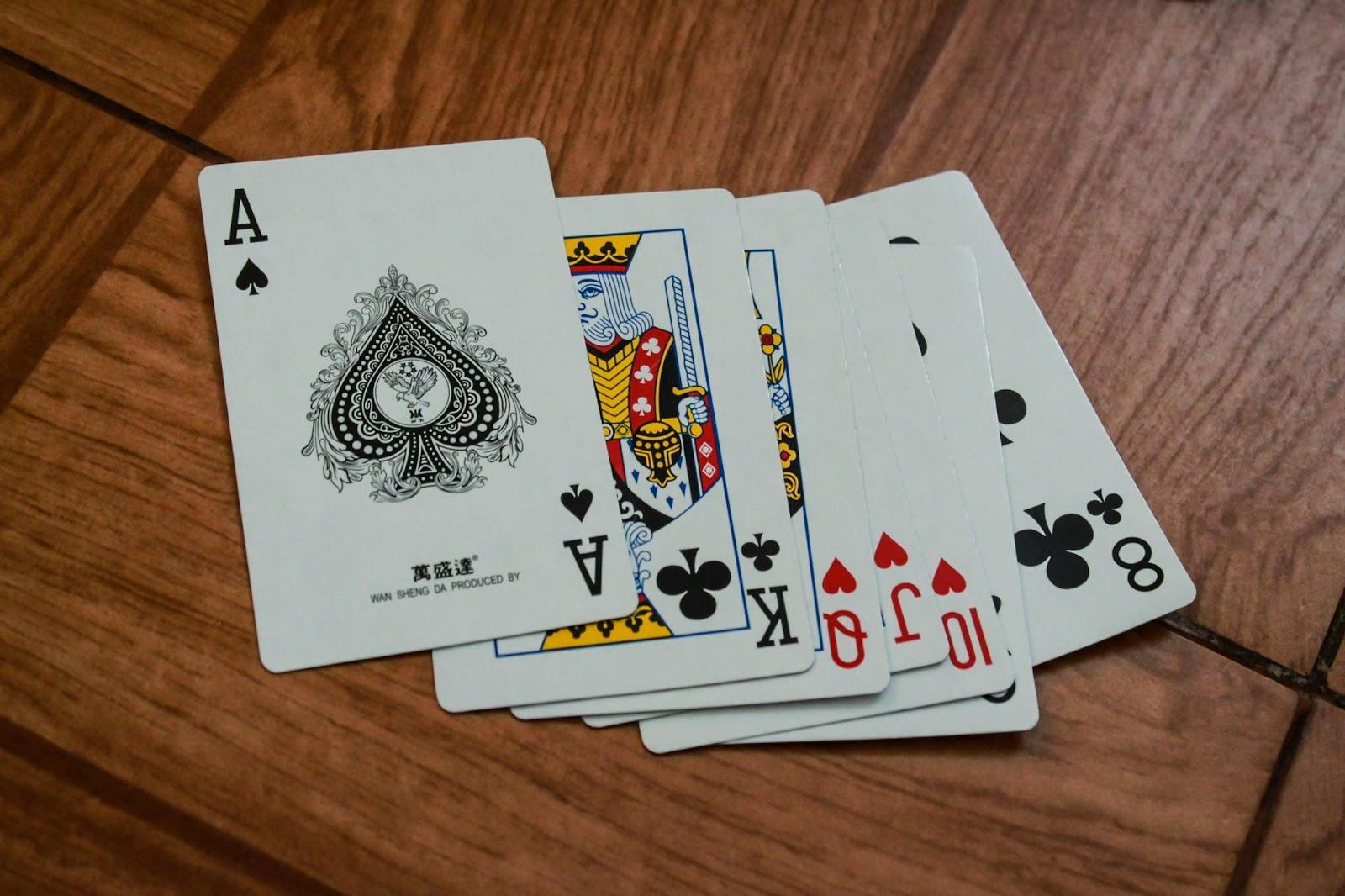
Card games have long been a playground for cunning, bluffing, deck-building and surprise combos. But a new wave is pushing that envelope: card games with staking mechanics. In these games, players don’t just play cards—they risk them. By staking selected cards, players can unlock rewards, earn tokens, or trigger bonus systems. It’s a fusion of risk, suspense, and layered strategy.
Crypto Features & Operator Perks
Innovation in gameplay demands matching infrastructure. As staking systems gain ground in card ecosystems, the platforms hosting those games must evolve too. They start offering smoother payments, better transparency, and more incentives designed to keep players engaged.
Across the broader crypto scene, Bitcoin casinos are setting the pace. A full list of operators showcases the benefits—generous bonuses, flexible deposit and withdrawal options, and massive game libraries that range from high-stakes card battles to easygoing casual titles. Most platforms now support multiple cryptocurrencies, instant payouts, and loyalty rewards that keep the action moving.
That blend of technology, rewards, and reach adds depth. It shows how modern game economies and crypto infrastructure can feed into each other—raising expectations not just for what’s on the table, but how you access it.
What “Staking” Means for Card Games
In blockchain and crypto circles, “staking” usually means locking up a token to earn yields or secure a network. That same logic is being adapted into some modern card games: staking means committing a card—or several—into a designated pool or challenge, often for a period of time, in exchange for the possibility of rewards.
Unlike simply winning a match and being awarded loot, staking adds a meta-choice: which card to commit, for how long, and in what contest. That creates psychological weight. Players must balance ambition—staking powerful assets—against exposure—losing them or missing rewards.
The reward side varies by game. Some pay out additional tokens or in-game credit. Others grant access to rare card draws, bonus events, or multiplier effects. Occasionally, staked cards may be temporarily locked, meaning players can’t use them elsewhere until the stake resolves. The delay adds tension and forward planning to the mix.
Early Examples & Ecosystems
One prominent example is Splinterlands, a blockchain card game where each card is an NFT and players earn rewards from battles and tournaments. While Splinterlands mostly pays rewards based on match outcomes, its broader token economy illustrates how digital card assets can generate returns through staking mechanisms tied to its SPS (Splintershards) token.
Other blockchain-based card titles have started experimenting with tokenized reward systems. These designs often mirror crypto staking logic: yield depends on total stake size, duration, and sometimes network conditions.
Some emerging projects also use “lock-in” or “bonding” systems that restrict cards for a set time to unlock access to premium tournaments or special events. If a player withdraws early, penalties or missed bonuses may apply. This adds a structured commitment layer to gameplay.
In several blockchain ecosystems, rarer digital cards can yield proportionally higher staking rewards or event access. The traits of staked cards—rarity, power level, synergy—can influence potential returns. It’s a high-risk, high-reward setup where every decision matters.
Strategy Layers Born from Staking
Staking mechanics inject a fresh layer of strategic complexity. Deck construction no longer stops at synergy and power; stakability becomes part of the calculus. A versatile card that performs well in matches and yields strong staking returns becomes a prized asset.
Timing is everything. When to stake—and for how long—defines the pace of play. If rewards scale over time, early commitment can deliver higher gains, but it also risks locking out key cards when the meta shifts. Some games may offer quick staking windows, while others stretch across longer seasons. Players must read the landscape, anticipate updates, and stake with foresight.
Competitive staking zones further heighten the mind games. When many players stake in the same pool, yields may dilute or fluctuate. Predicting crowd behavior becomes part of the challenge. Stake too early, and rewards might drop as the pool floods. Stake too late, and opportunities vanish. The best players think beyond their decks—they think like strategists navigating an evolving market.
Psychological pressure builds when valuable cards are on the line. Knowing that a powerful card is temporarily out of play changes how players approach each match. The act of staking becomes a statement of confidence and calculation.
Challenges for Game Designers
Integrating staking is complex. The balance between risk and reward must feel fair. Too generous, and it turns speculative; too weak, and players ignore it. Lock times, penalties, and yields need clarity. Many developers use transparent smart contracts to keep trust intact.
Volatility adds pressure. Token rewards rise and fall with the market, so tuning tokenomics is vital to keep gameplay stable. Relevance matters too. If staked cards lose value as metas shift, players disengage. Ongoing balance updates keep staking meaningful and alive.
Another challenge lies in pacing. Staking systems can’t slow a game’s momentum or bury players in mechanics. The best designs keep strategy sharp and flow intact—risk and reward visible, but never intrusive. When staking feels like a natural extension of play, not a separate economy, the experience stays immersive and alive.
Where This Trend Could Head Next
Staking mechanics are still developing. One possible direction is layered staking—where committed cards participate in multi-stage or seasonal pools. The strategic web deepens as timing and risk overlap.
Future iterations could merge staking with performance-based rewards—paying not just for participation but for skillful play. That approach keeps engagement active rather than passive.
Some developers are also exploring cross-game integrations, where owning or staking assets in one title could unlock rewards in another within the same ecosystem. It’s an idea still being tested, but it reflects how digital ownership might expand.
Evolving yield models may also emerge, adjusting staking returns based on player activity or rarity dynamics. This would make reward systems more responsive to live player behavior while maintaining balance across the ecosystem.
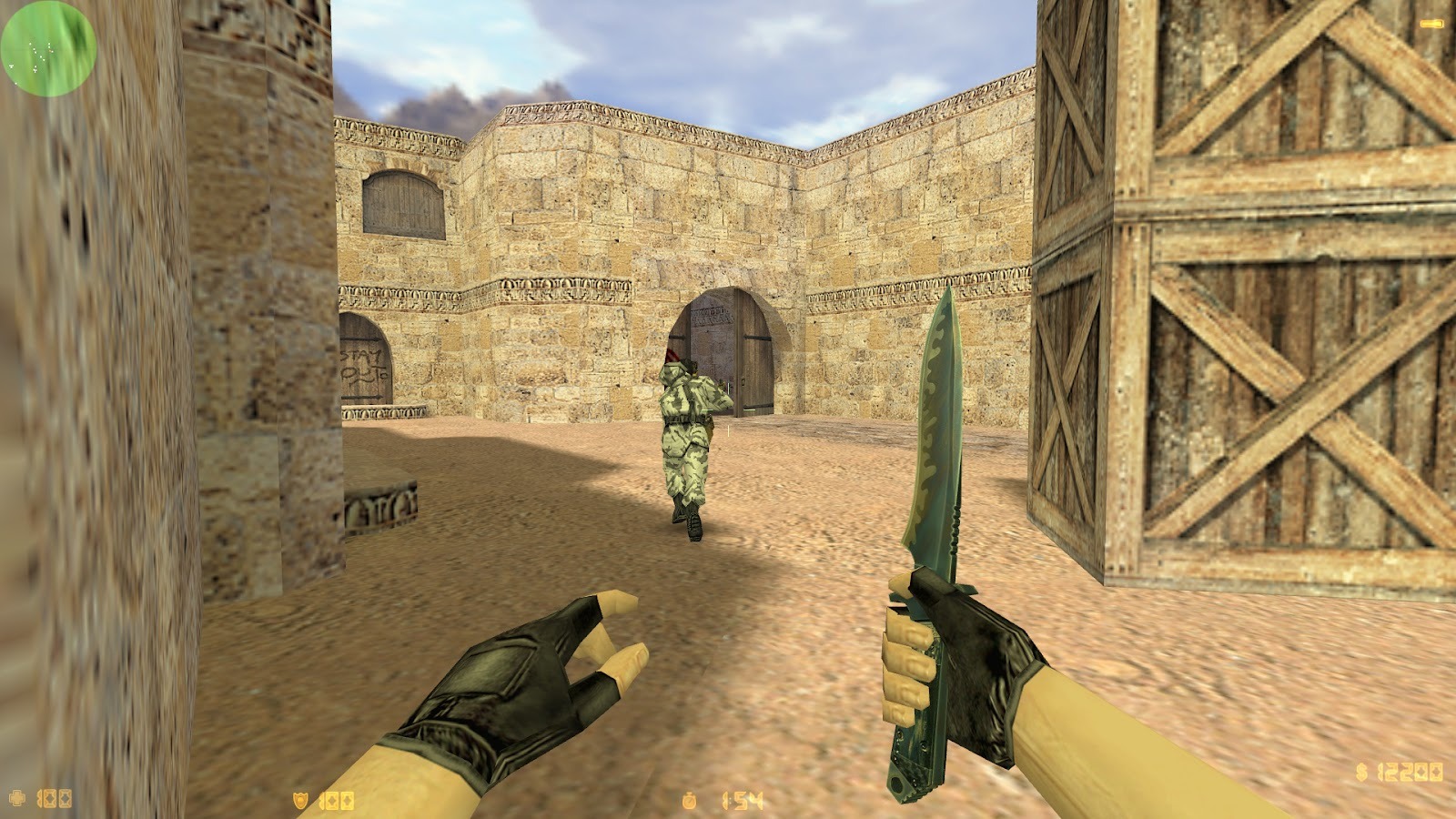
Picture this: you boot up that old GoldSrc engine in 2026, the familiar menu music hits, and suddenly you’re 15 again, heart pounding before a big round. The game Valve stopped updating ages ago refuses to fade. Instead, it’s evolving faster than ever because real players – not corporations – keep breathing life into it. Nostalgia pulls veterans back, low specs welcome newcomers, and pure skill-based chaos keeps everyone hooked. This legendary title is far from retired; it’s a living, breathing beast thanks to the community that never quit.
THE UNSTOPPABLE RISE OF A LEGEND IN 2026
Counter-Strike 1.6 hit its peak years ago, yet here we are in 2026 with thousands of active servers every single day. Why? Because it runs on basically any PC you own – no fancy graphics card required. You get that raw, responsive feel modern shooters often lose. The economy system still rewards smart plays, and every headshot feels earned. But the real magic? The game never stopped growing. While big titles chase trends, this classic stays true to what made it addictive: tactical depth mixed with explosive moments. Veterans chase old glory, new players discover the roots of competitive FPS, and everyone wins.
THE COMMUNITY THAT REFUSES TO LET IT DIE
You already know the story – Valve moved on, but the players stepped up like true legends. Dedicated groups CS keep the game stable and secure on today’s hardware. Tools and tweaks ensure smooth performance without changing the core feel you love. Server owners run 24/7 lobbies, modders drop fresh content weekly, and clans organize local LAN events that still pack venues in places like Central Asia. It’s player-owned chaos at its finest. No waiting for official patches – the community delivers faster than a rush on B-site. This DIY spirit turned a 2000 title into an immortal playground where friendships outlast any update.
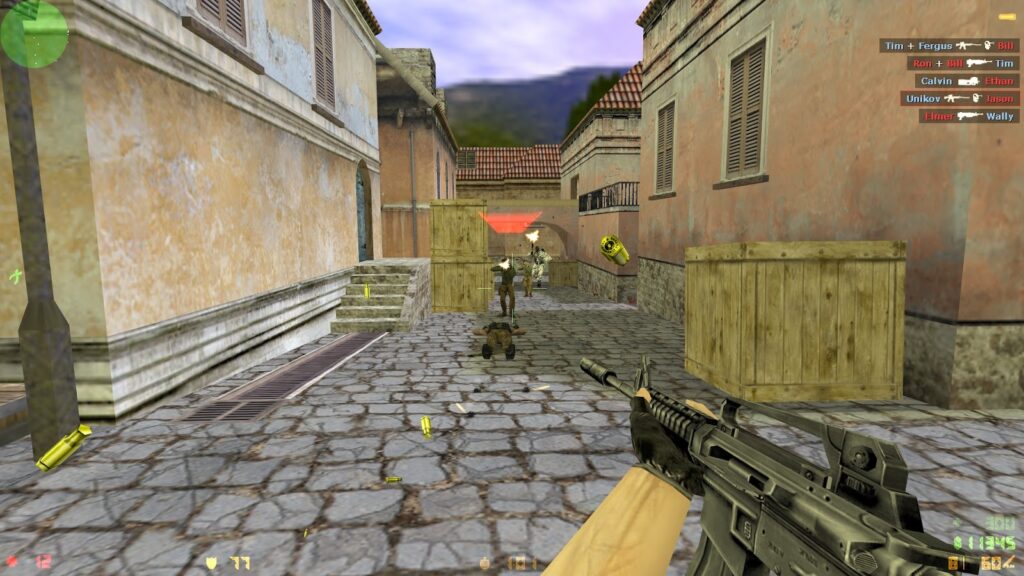
TOP 20 BEST MAPS THE COMMUNITY HAS CREATED
The official maps are iconic, but the community went wild and built hundreds more that define servers today. Here’s the definitive top 20 community-crafted gems that keep you coming back round after round, each with its own addictive personality.
- fy_iceworld – The slippery ice arena where gravity feels optional and every corner hides chaos. You bhop across frozen platforms, landing perfect sprays while enemies slide into your line of fire. It’s the map that taught generations that fun beats strategy sometimes.
- fy_pool_day – Sunny poolside mayhem with water hiding sneaky flanks and boosts launching you into epic jumps. Dive in for casual frags or intense 24/7 battles – the bright vibes never get old.
- awp_india – Temple-inspired sniper paradise with long sightlines and tight chokepoints. Perfect for those clutch long-range duels that make your heart race.
- aim_headshot – The ultimate precision playground where headshots are the only currency. Hone your aim in endless duels and walk away a sharper player every time.
- de_rats – Tiny sewer tunnels packed with ambushes and knife fights. The claustrophobic layout turns every angle into a deadly trap.
- awp_arena – Open-sky AWP-only battlefield designed for pure long-range skill. One mistake and you’re done – pure tension in every round.
- de_kabul – Desert warfare with winding streets and rooftop peeks. Community tweaks made rotations smoother than ever.
- cs_assault_1337 – Upgraded classic hostage rescue with modern lighting and fresh paths. The upgrades feel seamless while keeping the tense hostage drama alive.
- de_westwood – Wild-west town complete with saloons and dusty alleys. Feels like a movie set where every window hides a threat.
- de_barcelona – European city streets lined with balconies and narrow passages. Strategic depth meets beautiful architecture you actually notice mid-fight.
- de_abaddon – Dark hellish fortress full of vertical drops and trap-like rooms. The atmosphere alone gives you chills before the first shot.
- de_alexandra – Elegant mansion battles with crystal chandeliers and hidden corridors. Perfect balance of beauty and brutal close-quarters combat.
- cs_italy2 – Remastered Italian villa loaded with new hostage routes. The sunny courtyard still delivers those classic tense rescues.
- de_cpl_strike – Balanced competitive layout favored in serious servers. Every angle rewards smart positioning and team play.
- de_dust2002 – Community-updated dust variant with smoother flow and fresh details. Nostalgia hits hard but gameplay feels even better.
- de_lab – Science-lab horror with glowing test tubes and narrow vents. Sneaky vertical plays make it endlessly replayable.
- cs_disco – Flashing lights and thumping music turn every round into a party. The chaotic energy keeps the mood light even in fierce fights.
- aim_ak47cast – AK-focused training ground built for mastering spray control and one-taps. Spend an hour here and your muscle memory levels up instantly.
- de_torresvilches – Newer community addition featuring unique Spanish-style architecture and clever sightlines. Fresh design keeps veteran servers exciting.
- de_ydinsota – Nuclear-themed defusal map packed with glowing reactors and tense bomb sites. The high-stakes atmosphere never fails to deliver adrenaline.
These maps prove the community doesn’t just play – it creates entire worlds that keep the game fresh year after year.
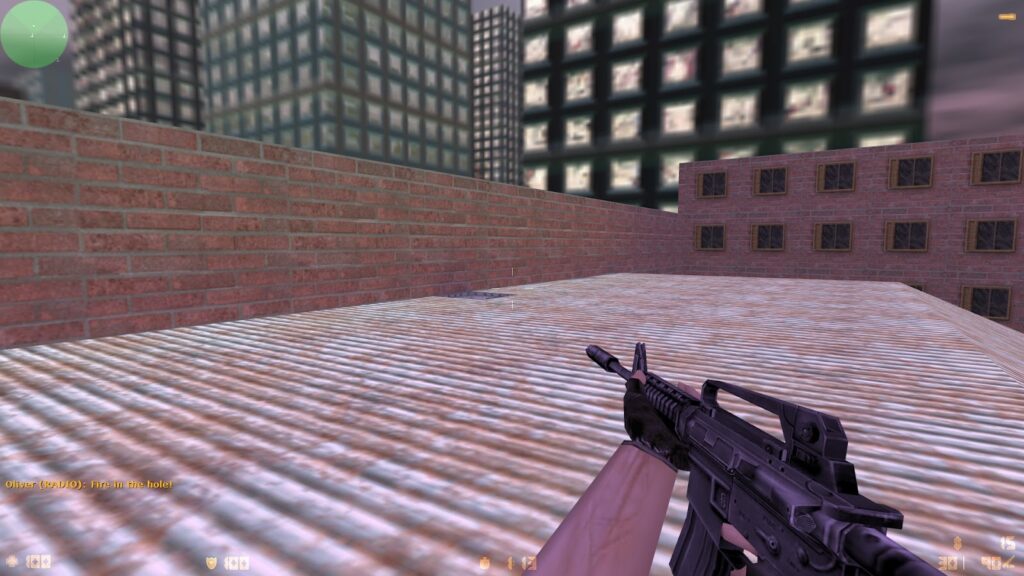
TOP 5 POPULAR GAME MODES CREATED BY THE COMMUNITY IN THE LAST 10 YEARS
While classic defusal still rules, the community cooked up (and refined) modes that turned servers into addiction machines. Here are the top five that exploded in popularity over the past decade:
- Zombie Mod – Humans versus the infected horde in a race against spreading terror. Survive waves, buy upgrades, or turn into a zombie yourself – the infection mechanics keep rounds unpredictable and terrifyingly fun.
- CSDM (Counter-Strike DeathMatch) – Instant respawn with no economy stress. Non-stop frags let you warm up or grind kills for hours without waiting for round resets.
- Gun Game – Progressive weapon ladder where every kill upgrades your arsenal. The race to the golden knife creates hilarious comebacks and pure skill tests.
- Surf – Master ramps, slides, and air strafes in breathtaking courses. The movement mastery feels like an entirely new game inside your favorite shooter.
- Jailbreak – Prison roleplay where guards command prisoners with special rules and rebellions. The mix of commands, teamwork, and betrayal creates endless stories every session.
These modes prove the community didn’t just tweak the original – they invented whole new ways to love the game.
HOW THE COMMUNITY KEEPS PROMOTING THE GAME
You see it everywhere: veterans teaching newcomers the perfect spray patterns, clans recruiting through epic highlight clips, and server admins running events that feel like old-school LAN parties. The community spreads the word by keeping servers alive around the clock, organizing regional tournaments that crown local heroes, and simply sharing stories of legendary clutches that get passed down like folklore. In the vibrant world of cs, players become mappers, modders, and mentors. They fix compatibility issues, host newbie-friendly lobbies, and celebrate every milestone together. That passion turns casual players into lifelong fans and keeps the legend growing stronger every single year.
So next time you crave that pure, heart-pounding FPS rush, remember this: Counter-Strike 1.6 isn’t just hanging on – it’s thriving because of you and thousands like you. Fire up those community maps, jump into a wild mode, pull off that epic clutch, and create new memories that will last another 25 years. The servers are waiting, the legends are still writing themselves, and the best part? You can be part of it right now. Go ahead and grab counter strike 1.6 download pc – the chaos is calling, and this time you’re ready to answer.

Canada has rapidly become one of the most attractive markets for international casino operators. Provincial regulation, clear licensing frameworks, and a tech-savvy population of over 27 million active players have transformed the country into a prime destination for global gaming companies. Ontario’s regulated iGaming market, launched in 2022, demonstrated how demand could shift into legal channels quickly and efficiently.
International operators are drawn to Canada because the rules are transparent and responsibilities are clearly divided among provinces. This makes market entry more predictable compared to jurisdictions with centralized or unclear regulations. Alberta and Ontario have both shown that well-defined frameworks can attract serious investment while maintaining proper oversight.
The expansion is not just about favourable regulations. You are part of a market with high internet penetration, widespread smartphone use, and a population comfortable with digital payments. As more provinces refine their approaches and international companies continue to enter, the Canadian gaming landscape is evolving into one of North America’s most dynamic and competitive environments.
Growth Drivers in the Canadian Gaming Industry
The Canadian gaming industry generated CA$3.2 billion in gross gaming revenue during the 2024-2025 fiscal year in Ontario alone, representing a 32% increase year-over-year. Total wagers reached CA$82.7 billion, up 31% from the previous period.
Several factors fuel this expansion. Mobile gaming dominates player engagement, with over 1.09 million active monthly players in Ontario accessing platforms through smartphones and tablets. Casino gaming accounts for approximately 78% of total iGaming revenue, with sports betting and peer-to-peer poker comprising the remainder.
The demographic shift towards digital-first consumers has accelerated market growth. Canadian players increasingly prefer the convenience of regulated online platforms over travelling to physical casino locations. This preference, combined with improved internet infrastructure and smartphone penetration, creates favourable conditions for international operators.
Provincial markets beyond Ontario show significant potential. Alberta’s passage of Bill 48 establishes the Alberta iGaming Corporation to oversee private-sector operators, with a soft launch anticipated by late 2025 and full market opening expected in Q1 2026.
Regulatory Landscape and Provincial Oversight
The Alcohol and Gaming Commission of Ontario (AGCO) works alongside iGaming Ontario (iGO) to maintain rigorous oversight of operators. The iGaming Ontario Act, passed in May 2025, transformed iGO into an independent agency, separating regulatory functions from political influence and provincial financial interests.
Regulated iGaming requires operators to meet stringent licensing criteria:
- Comprehensive background checks on operators and key personnel
- Anti-money laundering protocols meeting federal standards
- Player protection measures including deposit limits and time restrictions
- Regular audits of game fairness and payout percentages
Each province maintains distinct regulatory approaches. British Columbia operates through the British Columbia Lottery Corporation (BCLC), which manages both land-based and online gaming under a single provincial framework. Saskatchewan operates gaming through the Saskatchewan Indian Gaming Authority, which oversees First Nations casino operations.
Provincial oversight ensures tax revenue supports public services. Ontario’s tax structure directs iGaming revenue towards education, healthcare, and social programs, creating political support for continued market expansion.
Entry Strategies and Notable Market Entrants
BetMGM, backed by MGM Resorts International, established BetMGM.ca as a major presence following Ontario’s market opening in April 2022. The operator invested heavily in marketing partnerships with local sports teams and developed mobile-optimized platforms featuring slots, table games, and live dealer options.
High Roller Technologies submitted an Internet Gaming Operator licence application in 2025, targeting a second-half launch with HighRoller.com. The company focuses on premium experiences for high-stakes players, differentiating itself from mass-market competitors.
International operators typically pursue these entry strategies:
White-Label Partnerships: Operators collaborate with established Canadian brands to expedite market entry while meeting regulatory requirements.
Direct Licensing: Large operators apply for provincial licences directly, investing in local infrastructure and compliance teams.
Acquisition: Companies acquire existing Canadian operators or partner with provincial gaming corporations to leverage established customer bases.
Content providers like RubyPlay supply games to multiple operators, enabling rapid deployment across platforms while maintaining compliance with provincial gaming standards.
Payment Methods and Technology Integration for Online Casino
Interac e-Transfer dominates deposit and withdrawal transactions among Canadian players, offering instant bank-to-bank transfers without credit card fees or international processing delays for online casino platforms. This payment method processed over 60% of online casino transactions in Ontario during 2024.
Alternative payment options include:
Payment Method Processing Time Typical Limits Interac e-Transfer Instant $3,000-$10,000 per transaction Credit/Debit Cards 1-3 business days $500-$5,000 per transaction Bank Wire 3-5 business days $10,000+ per transaction Cryptocurrency Instant to 24 hours Varies by operator
Mobile optimization remains essential. Operators develop native iOS and Android applications alongside responsive web platforms, ensuring seamless gameplay across devices. Geolocation technology verifies players are physically located within licensed provinces when accessing gaming platforms.
Live dealer technology integrates HD video streaming with real-time betting interfaces, replicating land-based casino experiences. Canadian players show strong preference for live blackjack and baccarat tables staffed during North American peak hours.
Responsible Gambling and Player Safety Measures
The Canadian gaming industry implements comprehensive responsible gambling initiatives to protect vulnerable players. All operators licensed in regulated gambling markets must integrate these protections:
Centralized self-exclusion programs allow players to ban themselves across all licensed operators within a province. Ontario’s system shares exclusion data among operators, preventing excluded individuals from creating accounts on different platforms.
GameSense integration provides mandatory educational resources accessible from every gaming platform. Players receive information about odds, bankroll management, and warning signs of problem gambling before making their first deposit.
Real-time monitoring systems track betting patterns to identify problematic behaviour. When algorithms detect concerning patterns—such as chasing losses or excessive session lengths—operators trigger automatic interventions including mandatory breaks and deposit limit reminders.
Operators must display prominently:
- Links to provincial problem gambling helplines
- Deposit, loss, and session time limits settings
- Reality checks showing time elapsed and money wagered
- Access to voluntary self-exclusion tools
Future Outlook for Canada’s Casino Market
Canada’s iGaming revenue is projected to nearly triple by 2030 as additional provinces launch regulated markets. Alberta’s anticipated 2026 launch will test whether Ontario’s model translates to provinces with different demographic profiles and gambling traditions.
International operators continue evaluating entries into British Columbia, Quebec, and Atlantic provinces. Each market presents unique regulatory challenges, with Quebec maintaining protectionist policies favouring Loto-Québec’s digital monopoly.
Competition among operators will intensify as market saturation increases in Ontario. Operators will differentiate through exclusive game content, enhanced mobile experiences, and loyalty programs offering tangible rewards beyond bonus credits.
The Canadian gaming industry faces evolving regulatory scrutiny around advertising practices. Provincial regulators are considering restrictions on celebrity endorsements and limits on promotional spending to reduce gambling’s normalization among younger demographics.
Technology integration will advance with augmented reality casino experiences and blockchain-based payment verification systems that enhance transparency and security. Artificial intelligence will further refine personalized gaming recommendations while strengthening fraud detection and responsible gambling interventions.

เกมสล็อตออนไลน์เป็นที่รู้กันว่าเป็นเกมออนไลน์ที่เล่นได้ง่ายที่สุด เพียงหมุนวงล้อ หวังให้สัญลักษณ์ตรงกัน และอาจได้เฉลิมฉลองกับชัยชนะเมื่อแสงไฟและเหรียญเริ่มกระพริบบนหน้าจอ นี่อาจเป็นภาพที่คนส่วนใหญ่มีอยู่ในใจเมื่อพูดถึงเกมสล็อต
และเพื่อความยุติธรรม ก็ต้องบอกว่า มันง่ายแบบนั้นจริงๆ
แต่หลังจากใช้เวลาสักพักลองเล่นเกมต่างๆ ก็จะเห็นได้ทันทีว่า ไม่ใช่ทุกเกมที่จะทำงานเหมือนกัน บางเกมมีสัญลักษณ์โบนัสมากมาย บางเกมค่อยๆ สร้างจังหวะไปสู่การจ่ายรางวัลใหญ่ และบางเกมก็มีองค์ประกอบที่ให้ความรู้สึกเหมือนมินิเกมอยู่ภายในเกมสล็อตนั้นเอง
ด้วยเหตุนี้ หลายคนจึงชอบที่จะ ทดลองเล่นสล็อต ก่อนที่จะเดิมพันด้วยเงินจริง มันไม่ใช่เคล็ดลับที่ซับซ้อนหรือกลยุทธ์ขั้นสูงอะไร เพียงแค่เป็นวิธีหนึ่งในการทำความเข้าใจว่าเกมที่อยู่บนหน้าจอนั้นมีลักษณะอย่างไร ก่อนที่การเดิมพันจริงจะเริ่มต้นขึ้น
และจริงๆ แล้ว ขั้นตอนเล็กๆ นี้ช่วยลดความสับสนได้มากในภายหลัง
เกมสล็อตดูคล้ายกัน…จนกว่าจะไม่ใช่
เมื่อมองผ่านๆ หลายคนอาจคิดว่าเกมสล็อตส่วนใหญ่นั้นคล้ายกัน มีวงล้อห้าวง แถวของสัญลักษณ์สีสันสดใส และปุ่มหมุนที่อยู่ด้านล่างของหน้าจอรอให้กด แม้ว่าธีมของเกมอาจเปลี่ยนไป แต่โครงสร้างหลักของเกมก็มักจะคล้ายกัน
แต่เมื่อวงล้อเริ่มหมุน ความแตกต่างเหล่านั้นก็จะเริ่มปรากฏ
บางเกมมีฟีเจอร์อย่างเช่น
• เพย์ไลน์จำนวนมาก
• สัญลักษณ์ไวลด์ที่ขยายตัว
• สัญลักษณ์สแคตเทอร์ที่กระตุ้นโบนัส
• วงล้อแบบ cascading ที่สัญลักษณ์จะตกลงมาหลังจากชนะ
สิ่งเหล่านี้ไม่ได้ยากที่จะเข้าใจ แต่ก็อาจทำให้รู้สึกสับสนเล็กน้อย หากใครเริ่มเดิมพันจริงทันที
การเล่น ทดลองเล่นสล็อต เพียงไม่กี่นาทีช่วยให้ผู้เล่นมีโอกาสสัมผัสการทำงานของเกมโดยไม่รู้สึกเร่งรีบ วงล้อหมุนไป และเกมก็ค่อยๆ อธิบายตัวเองผ่านการเล่น
บางครั้งนี่คือวิธีเรียนรู้ที่ดีที่สุด
ทำความเข้าใจเพย์ไลน์โดยไม่ต้องเดา
เพย์ไลน์เป็นสิ่งหนึ่งที่ผู้เล่นใหม่มักจะมองข้ามในช่วงแรก หลายคนคิดว่าสัญลักษณ์ที่ตรงกันที่ไหนก็ได้บนหน้าจอจะทำให้ชนะ
แต่นั่นไม่ได้เป็นแบบนั้นเสมอไป
บางเกมมีกฎเฉพาะเกี่ยวกับวิธีที่สัญลักษณ์ต้องปรากฏบนเส้นที่กำหนดไว้บนวงล้อ ขณะที่บางเกมใช้ระบบ “ways to win” ซึ่งสัญลักษณ์เพียงต้องปรากฏในวงล้อที่อยู่ติดกัน
ตัวอย่างเช่น เกมหนึ่งอาจมี
• 25 เพย์ไลน์แบบคงที่
• 40 เพย์ไลน์ที่สามารถปรับได้
• 243 หรือมากกว่านั้นในรูปแบบ “ways to win”
การอ่านเกี่ยวกับเพย์ไลน์ในเมนูช่วยเหลืออาจดูน่าเบื่อ แต่การเห็นมันเกิดขึ้นจริงในขณะที่เล่น ทดลองเล่นสล็อต จะทำให้เข้าใจได้ง่ายขึ้น
หลังจากหมุนไม่กี่ครั้ง ผู้เล่นจะเริ่มสังเกตเห็นว่าเพย์ไลน์เชื่อมต่อกันอย่างไร และจะเข้าใจได้ง่ายขึ้นว่าทำไมบางชุดสัญลักษณ์จึงจ่ายรางวัล ในขณะที่บางชุดไม่จ่าย
ฟีเจอร์โบนัสเปลี่ยนประสบการณ์การเล่น
เกมสล็อตสมัยใหม่แทบจะไม่พึ่งพาการหมุนพื้นฐานเพียงอย่างเดียว นักพัฒนาเกมชอบเพิ่มฟีเจอร์พิเศษเข้าไปเพื่อทำให้การเล่นน่าสนใจมากขึ้น
กลไกโบนัสเหล่านี้อาจรวมถึง
• รอบฟรีสปิน
• สัญลักษณ์ไวลด์ที่ขยายตัว
• ตัวคูณแบบสุ่ม
• มินิเกมโบนัสที่ซ่อนอยู่
ปัญหาคือ แต่ละเกมสล็อตจัดการกับฟีเจอร์เหล่านี้แตกต่างกัน บางเกมอาจมีโบนัสเกิดขึ้นบ่อย ในขณะที่บางเกมอาจต้องใช้เวลานานก่อนที่จะมีเหตุการณ์ที่น่าตื่นเต้นเกิดขึ้น
การลอง ทดลองเล่นสล็อต จะช่วยให้ผู้เล่นสังเกตได้ว่าฟีเจอร์เหล่านี้ถูกกระตุ้นอย่างไร
การหมุนไม่กี่ครั้งอาจเผยให้เห็นสิ่งต่างๆ เช่น
• ต้องมีสัญลักษณ์สแคตเทอร์กี่ตัวจึงจะได้โบนัส
• ตัวคูณปรากฏบ่อยแค่ไหน
• รอบโบนัสมักจะยาวนานเท่าใด
การเรียนรู้รายละเอียดเหล่านี้ในโหมดทดลองง่ายกว่าการค้นพบมันระหว่างการเดิมพันจริง
จังหวะของเกมสล็อต
สิ่งหนึ่งที่ผู้เล่นที่มีประสบการณ์มักพูดถึงคือ “จังหวะ” ของเกมสล็อต
บางเกมให้ความรู้สึกเร็ว รางวัลเล็กๆ ปรากฏขึ้นเป็นระยะ วงล้อทำให้เกมดำเนินต่อไปอย่างต่อเนื่อง และเกมแทบไม่เงียบเป็นเวลานาน
เกมอื่นๆ อาจรู้สึกช้ากว่าแต่มีความตื่นเต้นมากกว่า อาจมีการหมุนหลายครั้งที่ไม่มีอะไรเกิดขึ้น ก่อนที่ฟีเจอร์ใหญ่จะถูกเปิดใช้งานในทันที
การลอง ทดลองเล่นสล็อต ช่วยให้ผู้เล่นสังเกตจังหวะนี้ได้
การหมุนเพียงไม่กี่นาทีสามารถบอกได้ว่าเกมนั้น
• มีพลังและให้รางวัลบ่อย
• ช้ากว่าแต่เน้นโบนัสใหญ่
• หรืออยู่ตรงกลางระหว่างสองแบบ
ผู้เล่นแต่ละคนมีความชอบที่แตกต่างกัน และการค้นพบจังหวะของเกมตั้งแต่แรกสามารถช่วยป้องกันความหงุดหงิดในภายหลังได้
ทดลองเล่นโดยไม่มีแรงกดดันทางการเงิน
ข้อดีอีกอย่างของ ทดลองเล่นสล็อต คืออิสระในการทดลองเกม
ผู้เล่นที่ใช้เงินจริงมักจะเล่นอย่างระมัดระวัง พวกเขาอาจใช้จำนวนเดิมพันเดียว หรือหยุดเล่นเร็วกว่าที่ตั้งใจไว้
โหมดทดลองช่วยขจัดความตึงเครียดนั้นออกไป
ผู้เล่นสามารถลองทำสิ่งต่างๆ เช่น
• ปรับขนาดการเดิมพัน
• สังเกตการเล่นในช่วงเวลาที่ยาวขึ้น
• ให้ความสนใจกับรูปแบบของสัญลักษณ์
แน่นอนว่า เกมสล็อตยังคงเป็นเกมที่มีผลลัพธ์แบบสุ่ม และการทดลองเล่นไม่ได้หมายความว่าจะชนะเสมอไป
แต่จะทำให้ผู้เล่นรู้สึกคุ้นเคยกับเกมมากขึ้น และทำให้ประสบการณ์โดยรวมสนุกยิ่งขึ้น
การสำรวจเกมบนแพลตฟอร์ม สล็อตเว็บตรง
สถานที่ที่ใช้เล่นสล็อตก็สามารถส่งผลต่อประสบการณ์ได้เช่นกัน
หลายคนเริ่มรู้จักเกมสล็อตผ่านเว็บไซต์ สล็อตเว็บตรง เพราะเว็บไซต์เหล่านี้มักมีเกมสล็อตให้เลือกจำนวนมากในที่เดียว ผู้เล่นไม่จำเป็นต้องค้นหาหลายเว็บไซต์เพื่อทำความรู้จักกับเกมสล็อตหลายเกม
เว็บไซต์เหล่านี้มักจะเปิดโอกาสให้ผู้เล่นสามารถ
• สำรวจธีมของเกมสล็อตต่างๆ
• อ่านรายละเอียดของเกม
• ทดลองเล่นเวอร์ชันเดโมของเกม
การใช้ ทดลองเล่นสล็อต ผ่านเว็บไซต์เหล่านี้ยังช่วยให้ผู้เล่นคุ้นเคยกับเกมสล็อตต่างๆ ที่พวกเขาสนใจ
ทำให้การสำรวจเกมกลายเป็นเรื่องสบายๆ แทนที่จะรู้สึกเร่งรีบ
ค้นหาตัวเลือกเกมสล็อตที่ J.Trani’s Ristorante
ผู้เล่นที่ชอบค้นหาเกมสล็อตใหม่ๆ มักมองหาเว็บไซต์ที่ช่วยให้สำรวจตัวเลือกต่างๆ ได้ง่าย
J.Trani’s Ristorante เป็นสถานที่ที่ผู้เล่นสามารถสำรวจตัวเลือกเกมสล็อตต่างๆ ได้อย่างสะดวก
ใครก็ตามที่ต้องการดูตัวเลือกเกมที่มีอยู่ สามารถเข้าไปที่ www.jtrani.com/menu.html เพื่อดูว่าเกมสล็อตแบบไหนมีให้เล่นบ้าง
ก่อนเริ่มเล่น ผู้เล่นจำนวนมากชอบที่จะ ทดลองเล่นสล็อต กับเกมที่พวกเขาพบในเว็บไซต์ก่อน นี่เป็นวิธีง่ายๆ ในการทำความคุ้นเคยกับเกมและดูว่ามันสนุกหรือไม่
บางครั้ง เกมที่ดูไม่น่าสนใจในตอนแรก อาจกลายเป็นเกมที่สนุกอย่างคาดไม่ถึงหลังจากได้ ทดลองเล่นสล็อต
โหมดทดลองไม่ได้มีไว้สำหรับผู้เล่นใหม่เท่านั้น
สิ่งหนึ่งที่น่าสนใจเกี่ยวกับผู้เล่นสล็อตคือ แม้แต่ผู้เล่นที่มีประสบการณ์ก็ยังใช้โหมดทดลองอยู่เสมอ
หลายปีของการเล่นไม่ได้เปลี่ยนนิสัยของพวกเขาในการลองเกมผ่าน ทดลองเล่นสล็อต ก่อนที่จะเดิมพันจริง
เหตุผลก็ง่ายๆ เพราะเกมสล็อตแต่ละเกมมีสิ่งใหม่ๆ เสมอ ไม่ว่าจะเป็นระบบโบนัสใหม่ หรือสัญลักษณ์ที่ไม่เหมือนเดิม
เพียงใช้เวลาไม่กี่นาทีในการทดลองเล่น ก็สามารถเข้าใจเกมได้เกือบทั้งหมด
มันไม่ได้เกี่ยวกับการหลีกเลี่ยงความเสี่ยง แต่เป็นการทำความเข้าใจเกมก่อนที่จะเล่นจริง
บทสรุป
การเล่นสล็อตนั้นง่ายมาก แต่เกมสล็อตแต่ละเกมก็มีฟีเจอร์ ความเร็ว และองค์ประกอบพิเศษที่แตกต่างกัน การเข้าใจปัจจัยเหล่านี้จะทำให้ประสบการณ์การเล่นราบรื่นและสนุกยิ่งขึ้น
นี่จึงเป็นเหตุผลที่ผู้เล่นส่วนใหญ่ชอบ ทดลองเล่นสล็อต ก่อนที่จะเล่นด้วยเงินจริง เพราะช่วยให้พวกเขาสำรวจเกม เข้าใจวิธีการเล่น และเรียนรู้ฟีเจอร์ต่างๆ
ด้วยความหลากหลายของเกมที่มีอยู่บนเว็บไซต์ สล็อตเว็บตรง ในปัจจุบัน ผู้เล่นจึงมีตัวเลือกมากกว่าที่เคย
สำหรับใครที่อยากลองดูเกมสล็อตหลายๆ แบบ การเข้าไปที่ https://www.jtrani.com/menu.html บน J.Trani’s Ristorante ถือเป็นจุดเริ่มต้นที่ดี การหมุนวงล้อแบบสบายๆ ผ่าน ทดลองเล่นสล็อต เพียงไม่กี่ครั้ง สามารถเผยให้เห็นรายละเอียดมากมายของเกม ก่อนที่การเดิมพันจริงจะเริ่มต้นขึ้น
-

 Finance3 years ago
Profitable Intraday Trading Advice For Novices
-

 Gaming3 years ago
Pixel Speedrun Unblocked Games 66
-

 Gaming3 years ago
Subway Surfers Unblocked | Subway Surfers Unblocked 66
-

 Internet3 years ago
Welcome to banghechoigame.vn – Your One-Stop Destination for Online Gaming Fun!
-

 Gaming3 years ago
Minecraft Unblocked Games 66 | Unblocked Games Minecraft
-

 Gaming3 years ago
Google Baseball Unblocked | Google Doodle Baseball Unblocked 66
-

 Internet3 years ago
Premium Games Unblocked: Unleash Your Gaming Potential
-

 Gaming3 years ago
Tunnel Rush Unblocked | Tunnel Rush Unblocked 66