

Gaming
How to Build a Profitable CS:GO Skin Portfolio (Lessons from Mobile Gaming)

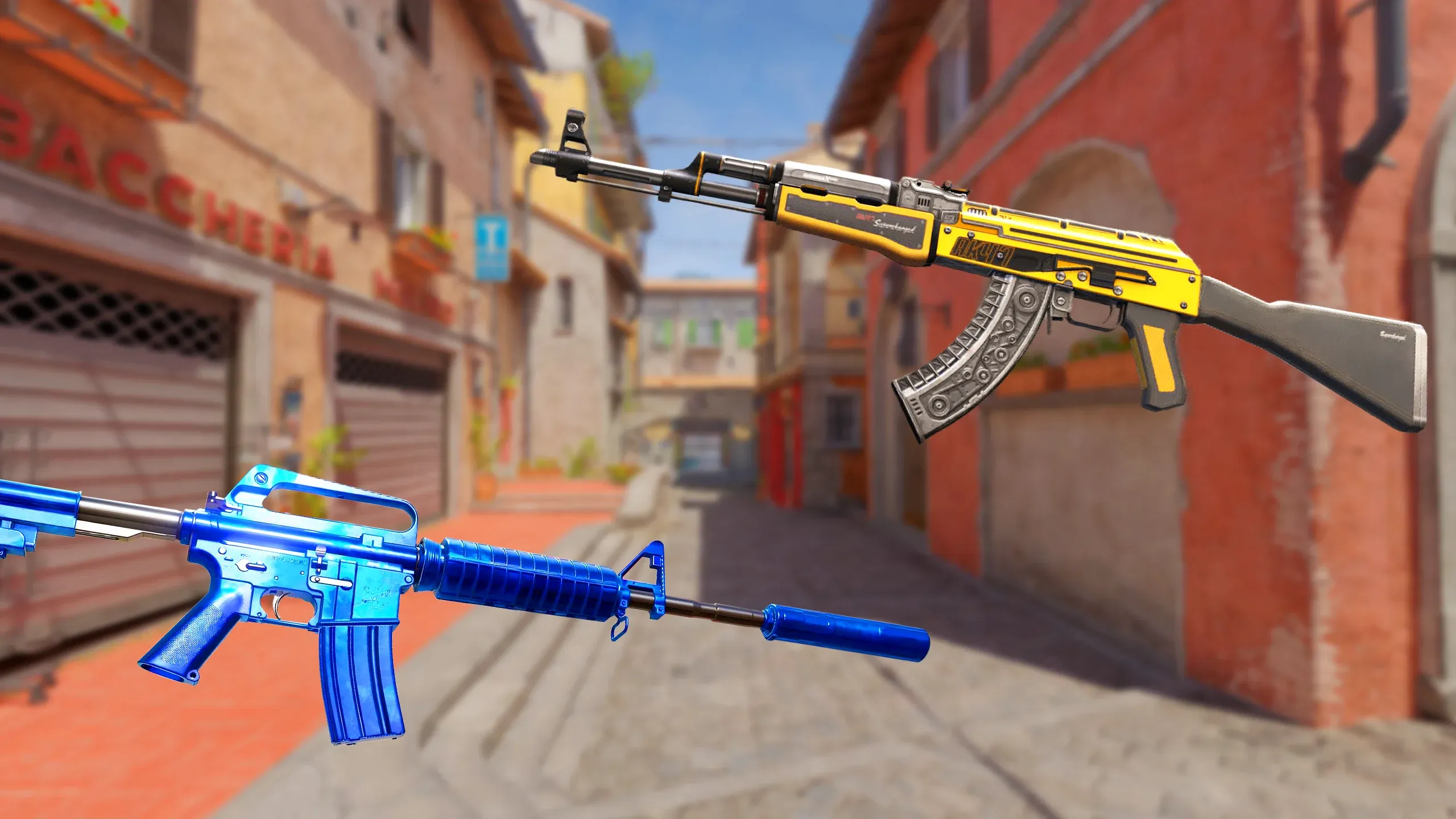
You’ve been grinding CS:GO for months, maybe years, watching your rank climb slowly while your friends show off their latest knife drops and Dragon Lore pulls. Meanwhile, you’re sitting on a handful of basic skins worth maybe $50 total, wondering if there’s a smarter way to build actual value from your inventory without spending your entire monthly budget on loot boxes.
Here’s the thing most players miss: building a profitable skin portfolio isn’t about luck or dropping thousands of cases. It’s about strategy, timing, and learning from an unexpected source – mobile gaming economics. The same principles that drive successful mobile game monetization and asset management apply perfectly to CS:GO skins. Whether you’re looking to trade CS:GO skins strategically to grow your inventory value or simply make smarter purchasing decisions, understanding portfolio management fundamentals will put you ahead of 90% of players who treat skins as pure gambling.
In this guide, we’re breaking down exactly how to approach your CS:GO inventory like a profitable investment portfolio, using proven lessons from mobile gaming’s most successful monetization strategies. No get-rich-quick schemes, no risky gambling – just practical, actionable tactics that work whether you’re starting with $20 or $200.
The Mobile Gaming Mindset: Why Your CS:GO Inventory is a Gacha Game
Alright, let’s reframe how you look at your inventory. Have you ever played a mobile “gacha” game? You know, the ones where you spend in-game currency for a random chance to pull a super-rare, 5-star hero? You might get a common character 99% of the time, but that 1% chance of a legendary drop keeps you coming back.
Sound familiar? That’s because opening a CS:GO case is, at its core, a gacha pull. Your P250 | Sand Dune is the common 3-star hero, and that Karambit | Doppler you dream of is the ultra-rare 5-star character. Most players stop their thinking right there – they treat it as pure luck. But as a mobile gaming strategist, I can tell you that the most successful players aren’t just lucky; they understand the underlying economy.
This is the mindset shift you need to make. Stop thinking like a player opening cases and start thinking like a portfolio manager navigating a complex market.
In the mobile gaming world, value is driven by controlled scarcity. When a game developer runs a limited-time event for a powerful new character, players know their chance to get it is finite. Once the event ends, that character becomes exponentially rarer and more valuable. CS:GO operates on the exact same principle. CS:GO skins operate in a controlled supply economy parallel to ‘gacha’ mechanics in mobile games, where rare skins from discontinued cases and major events (like tournaments) experience verifiable scarcity and price spikes similar to limited-time characters in mobile gacha systems. When Valve moves a case to the rare drop pool or a Major concludes, the supply of those specific skins and stickers is effectively capped forever. This isn’t luck; it’s predictable, event-driven economics, and it’s the foundation of building a profitable portfolio.
The ‘Free-to-Play’ Path: Building Your First $100 Portfolio with Zero Investment
So, you’re starting from scratch? Perfect. In mobile gaming, we call this the “Free-to-Play” (F2P) grind. It’s the path players take to build power and resources without spending a dime, relying purely on time and effort. Your CS:GO journey can start the exact same way. Forget your credit card; your most valuable asset right now is your time in-game.
Think of your weekly CS:GO drop as your “Daily Login Bonus.” Every week, just for playing and leveling up your profile, Valve gives you a free item—usually a low-value skin, a graffiti, or a case. On its own, a $0.05 skin seems worthless. But a consistent F2P player knows that small, recurring rewards are the foundation of wealth. The same goes for the cases you earn randomly by finishing matches. This is your “resource farming.”
Here’s the critical F2P rule: You do not consume your farmed resources. Don’t open the cases! That’s the equivalent of a mobile gamer wasting their premium currency on a low-probability gamble. Instead, you take every single one of those drops—the graffiti, the cheap skins, the cases—and you sell them on the Steam Community Market. Yes, you’ll be dealing in cents, not dollars, at first. But after a few weeks, those cents add up. That $0.50 from a new case drop and $0.15 from a few skins suddenly becomes a few dollars in your Steam Wallet. This is your seed capital, earned with zero cash investment.
Once you’ve patiently accumulated $10, $15, or even $20 from grinding these free drops, you can start making real moves. Instead of letting dozens of cheap items clutter your inventory, you can begin consolidating them. Many players find that using a trusted trading platform is far more efficient than the Steam Market for this step, and you can use a site like Skinsmonkey to bundle your F2P earnings into a single, more desirable skin that has actual growth potential. You’ve officially turned gameplay hours into a tangible asset, laying the first brick of your portfolio.
From Drops to Dollars: Mastering Low-Tier Trading and Trade-Up Contracts
Alright, you’ve successfully turned your gameplay time into a small stack of Steam Wallet funds and a collection of low-tier skins. What’s the next level of this game? It’s time to learn about CS:GO’s “crafting system,” the Trade-Up Contract. Think of it like a fusion mechanic in a mobile RPG: you combine ten common items for a shot at one much rarer item.
This isn’t just a blind gamble; it’s a game of calculated odds. The principle is simple: you use ten skins of the same rarity (e.g., Mil-Spec blue) to create a single skin of the next highest rarity (e.g., Restricted purple). A trade-up is profitable when the total cost of your ten input skins is lower than the average market value of all the possible skins you could receive as an outcome. It requires a bit of homework on skin collections and wear values, but it’s the first real step from being a collector to being an investor.
Understanding market timing elevates this strategy. For instance, search interest for ‘CSGO knife skins’ surged by 47% during major esports events and the CS2 beta launch, driving market activity. While you won’t be crafting a knife from cheap skins, this event-driven hype affects the entire economy. By mastering trade-ups, you’re learning to leverage these predictable cycles, turning your F2P scraps into assets with genuine growth potential.
Investing Like a Pro: Identifying High-Growth ‘Assets’ for Your Portfolio
So, you’ve graduated from farming cents to holding actual capital. Congratulations! Now the real game begins. In any mobile gacha game, a savvy player knows which heroes or gear are “meta”—the ones guaranteed to stay relevant and powerful. CS:GO is no different. Your goal is to identify these high-growth digital assets. Let’s break down the top contenders for your portfolio.
First up are discontinued cases. Think of these as retired, limited-edition characters. Cases like the Bravo or Weapon Case 1 are no longer dropped in-game. Every time someone opens one, the global supply permanently shrinks. This simple supply-and-demand dynamic makes them a relatively safe, long-term investment. You buy them, sit on them, and watch their value slowly but surely climb as they become rarer.
Next, we have rare stickers, especially from older Major tournaments. These are your event-exclusive cosmetics. Stickers from legendary teams that have since disbanded (like iBUYPOWER or Titan) or from early Katowice tournaments have become digital artifacts. Their value is driven by scarcity, nostalgia, and the desire of high-tier collectors to craft unique weapon looks. They can be more volatile than cases but offer much higher growth potential if you pick a winner.
Finally, there are the high-demand play skins. These are the evergreen “meta” weapons: the AK-47s, M4A4s, and AWPs that players actually use every single day. While many are stable, certain skins can experience surprising volatility. For instance, a desirable skin like the AK-47 Hydroponic (Factory New) has seen value spikes of around 50% in just 30 days, often fueled by trader speculation and market manipulation. While you might not be buying a Hydroponic outright, understanding these trends helps you spot opportunities, proving that even a well-chosen skin from a trade-up can become a powerful, short-term investment.
Risk Management & Cashing Out: Your Endgame Strategy
Alright, you’ve built a solid inventory of digital assets. So, what’s the final boss fight? It’s not acquiring more items—it’s protecting what you’ve earned and knowing when to take your profits off the table. In any game, having the best gear is useless if you lose it all in one risky move. The same goes for your CS:GO portfolio.
First, let’s talk about diversification. You wouldn’t build a raid party with only one class of hero, would you? Your portfolio needs the same balance. Going all-in on a single hot sticker or case is a recipe for disaster. Spreading your investment across different asset types—some stable discontinued cases, a few high-risk/high-reward stickers, and maybe a popular play skin—protects you from catastrophic losses. If one asset class tumbles, the others can keep your portfolio afloat.
If you need proof, just look at the market’s volatility. Hype can create staggering peaks, but the fall is just as dramatic. For example, the Evil Geniuses (Holo) sticker from the Stockholm 2021 Major skyrocketed to around £349.40, fueled by intense speculation. Just one week later, its value plummeted by over 95% to a mere £19.00. An undiversified portfolio built on that one sticker would have been completely wiped out.
This brings us to timing your exit. The golden rule is simple: sell into the hype. When you see everyone on social media and YouTube suddenly talking about a specific item, that’s often your cue to sell, not to buy. These predictable cycles, often tied to esports events, are your best opportunities to cash in on peak value before the inevitable correction.
Finally, how do you actually turn these digital items into real-world value? You have two main paths. The Steam Community Market is the safest and easiest option, but your earnings are locked in your Steam Wallet—perfect for buying new games or skins. For real cash, you’ll need to use reputable third-party platforms. While they require more due diligence to ensure you’re using a secure site, they are the only way to convert your digital portfolio into actual money in your bank account. Having a clear exit strategy is what separates a collector from a true investor.
Avoiding the ‘Whale’ Traps: Common Financial Mistakes from Mobile Gaming
As a mobile gaming strategist, I see players make the same financial missteps over and over, often falling into what we call “whale traps”—costly mistakes driven by emotion. The CS:GO market is no different, but you can easily sidestep these pitfalls.
First, let’s crush FOMO (Fear Of Missing Out). When you see an item skyrocket, the urge to buy in is immense. This is the gacha game equivalent of a “limited time” banner designed to trigger impulsive spending. Resist it. Buying at the peak of the hype is a surefire way to lose money. For every trader selling for a massive profit, there’s someone else buying at an unsustainable price.
Next, understand the crucial difference between investing and gambling. Buying a case because its supply is dwindling is a calculated investment. Opening that same case is gambling, plain and simple. You’re paying for a slim chance at a high-tier item, and the odds are overwhelmingly not in your favor. True portfolio growth comes from playing the market, not the slot machine.
Finally, always account for the silent profit killer: transaction fees. Whether on the Steam Market or a third-party site, every transaction has a cost. A 5% gain can quickly become a loss when you factor in the platform’s cut. Track these fees diligently; they’re the hidden “microtransactions” that can drain your wallet if ignored.
Sources
[1] Source: https://genelmag.com/partner-content/why-csgo-skins-are-still-valuable-assets-in-2025 CS:GO skins operate in a controlled supply economy parallel to ‘gacha’ mechanics in mobile games, where rare skins from discontinued cases and major events (like tournaments) experience verifiable scarcity and price spikes similar to limited-time characters in mobile gacha systems.
[2] Source: https://www.accio.com/business/csgo-skin-prices-trend-over-time Google Trends search interest for ‘CSGO knife skins’ surged by 47% during major esports events (IEM Katowice 2025) and CS2 beta launches, directly preceding increases in price and market activity—a dynamic akin to event-driven pulls in mobile games.
[3] Source: https://esports-news.co.uk/2025/10/08/counter-strike-skins-market-soars-to-new-peak-of-5-78-billion/
- Some low-tier CS:GO skins, such as the AK-47 Hydroponic (Factory New), have shown short-term value spikes of around 50% in 30 days, driven by supply manipulation and trader speculation, demonstrating the ability to turn random drops into profitable investments through trade-up contracts and tactical trading.
- Portfolio risk is high—values of rare assets can plummet by over 95% within a week following market hype peaks (e.g., EG Stockholm 2021 Major Holo sticker from £349.40 to £19.00), underscoring the necessity of diversification and careful timing when cashing out via Steam or third-party platforms.

An online casino used to feel much more like a website you visited with a game already in mind. You wanted roulette, so you found roulette. You wanted a slot, so you went into the slot section and picked one. Casino apps have changed that behaviour. Now a lot of the experience happens before the game even opens.
The lobby has become part of the entertainment
A modern casino app can hold hundreds of titles, which creates a strange problem. Having more games sounds useful until you actually have to choose one. That is why the lobby has become much more important. New releases sit beside popular games. Recently played titles come back to the front. Live casino has its own area, and slots may be broken into smaller groups rather than thrown into one enormous list. The app is not only storing games anymore. It is helping people decide what to open.
Phones encourage more jumping between games
Desktop casino sessions can feel more settled. On a phone, switching takes almost no effort. A player might open Aviator for a few rounds, move into a slot, check a live blackjack table and then return to something they played earlier. That kind of movement suits apps because the whole casino stays close. There is no need to open another browser tab, search again or reload the homepage every time. Once someone chooses a bet app download, that convenience becomes one of the main reasons to keep using the app rather than returning to the browser.
Recently played may matter more than recommendations
Recommendation systems get plenty of attention, but one of the most useful features is much simpler. Remember what I played. Casino libraries are now large enough that finding the same game again can be surprisingly annoying. A recently played section solves that without needing complicated technology. It also fits the way people actually use entertainment apps. Streaming services remember unfinished shows. Music apps keep recent albums close. Casino apps are doing much the same thing with games.
Different games need different mobile treatment
Not every casino title fits naturally onto a phone. Slots usually adapt easily because most of the important action happens in the centre of the screen. Aviator is similarly compact. Roulette creates more trouble because the betting grid contains a lot of small areas. Live casino has to fit the dealer, table and controls into the same display without making any of them feel squeezed. That means the app cannot simply shrink every desktop game by the same amount. Good mobile design is more selective than that.
Game loading matters more when people browse
There is another consequence of moving between games more often. Loading time becomes noticeable. If every new title takes too long to open, browsing starts feeling like work. Apps therefore need to handle game launches smoothly, especially when titles come from several different providers. The technical side is mostly invisible when it works.
The casino app has become a game library in its own right
This is probably the bigger shift. People are not only using casino apps to access games they already know. They are using them to find the next one. The home screen, search, recently played list and game categories all influence what gets opened next. That makes the app itself part of the casino experience rather than just a container around it. The games still matter most. But increasingly, the way people discover those games matters almost as much.

Crypto casinos look similar until the welcome package is unpacked. Sign-up bonuses are how platforms compete, yet many players register with no code and stay on the baseline offer. A documented Roobet promo code is the difference between a generic rakeback drip and an upgraded welcome path that may include a cash boost, Roo’s Raffle tickets, or first-day loss protection.
This article explains the standard no-code offer, what an exclusive Roobet bonus code typically unlocks, who is eligible, and how to claim it without missing the promo field.
The baseline: Roobet’s standard welcome offer (no code)
Without a code, new users typically receive the default welcome track: entry-level RooWards enrollment after a deposit, a modest rakeback percentage, and sometimes a small credit once the first crypto deposit confirms. That is the control group. Anything a promo adds should beat this floor.
- Standard rakeback only, with no boosted first-week rate
- No extra raffle tickets tied to a partner campaign
- No exclusive loss-back window
- No upgraded deposit match cap
The exclusive unlock: what the promo code actually provides
Partner codes vary, but the upgraded Roobet welcome bonus usually sits in one of these buckets:
- The match: a 100% crypto deposit match up to a stated USD equivalent
- The spins: Roo’s Golden Spins or a named slot pack
- The safety net: loss-back insurance for the first 24 hours
- The raffle: extra tickets into Roo’s Raffle
HELLAGO
Enter the code exactly during registration. Codes are often case-sensitive and cannot be applied after the account exists.
Feature No code With promo code Deposit match None or a small default Often 100% up to a higher cap Free spins / raffle Rare on day one Common in partner packs Loss protection Not included Sometimes 24-hour loss-back RooWards start Base tier May include VIP-track entry
Who is eligible?
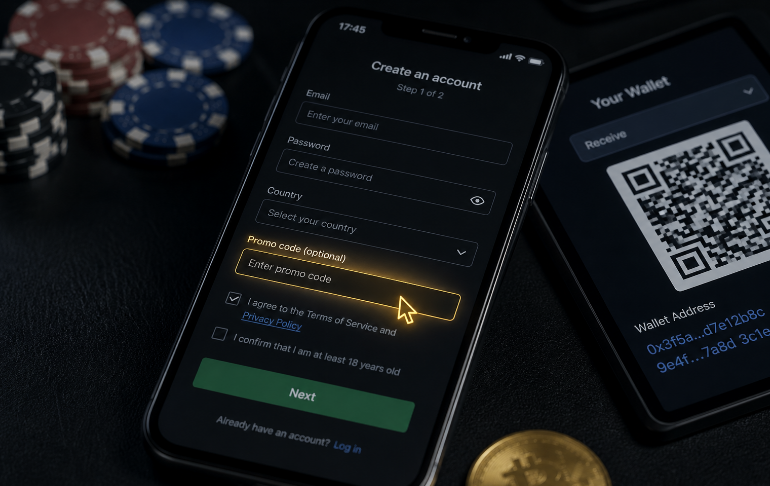
Missing the promo field is the most common way to lose the upgrade.
- New registrations only. Existing accounts cannot usually retrofit a welcome code.
- Geo rules. Restricted countries (including markets such as the US and UK where the product is not offered) cannot claim. VPNs that hide a banned region can void the account.
- KYC. Withdrawing bonus-derived winnings typically requires at least Level 2 verification.
- One per household / IP. Duplicate accounts are a common reason bonuses get stripped.
Step-by-step: how to claim the exclusive bonus
- Open Roobet through a tracked, secure registration link.
- Create the account with a real email, username, and password.
- Fill the promo code field before submitting – this is the step players skip.
- Make the minimum qualifying crypto deposit.
- If needed, activate the bonus in Rewards, then complete wagering before withdrawing.
Terms worth reading
| Rule | Typical effect |
| Wagering (e.g. 30x) | You must cycle bonus funds before cashing out |
| 7-day expiry | Unused bonus value disappears |
| Slots 100% / tables ~5% | Blackjack and roulette barely clear rollover |
| Max bet while bonus is live | Oversized spins can void the offer |
Why Roobet still stands out in crypto casino bonuses
Fast Bitcoin, Ethereum, and Litecoin deposits pair well with time-limited welcome offers. Provably fair originals, a large slot lobby, and RooWards give the bonus somewhere to go after day one. That does not make every Roobet deposit bonus a good deal – it only means the plumbing (speed, crypto rails, loyalty) is strong enough that a clean code is worth using.
FAQ
Can I use the Roobet promo code if I already have an account?
No. It is for new registrations.
Does the promo code work on mobile?
Yes. Desktop and mobile browsers use the same code field.
Why isn’t my bonus showing up?
Confirm the minimum deposit, spelling, and the Rewards panel. Blockchain confirmation can take a few minutes.
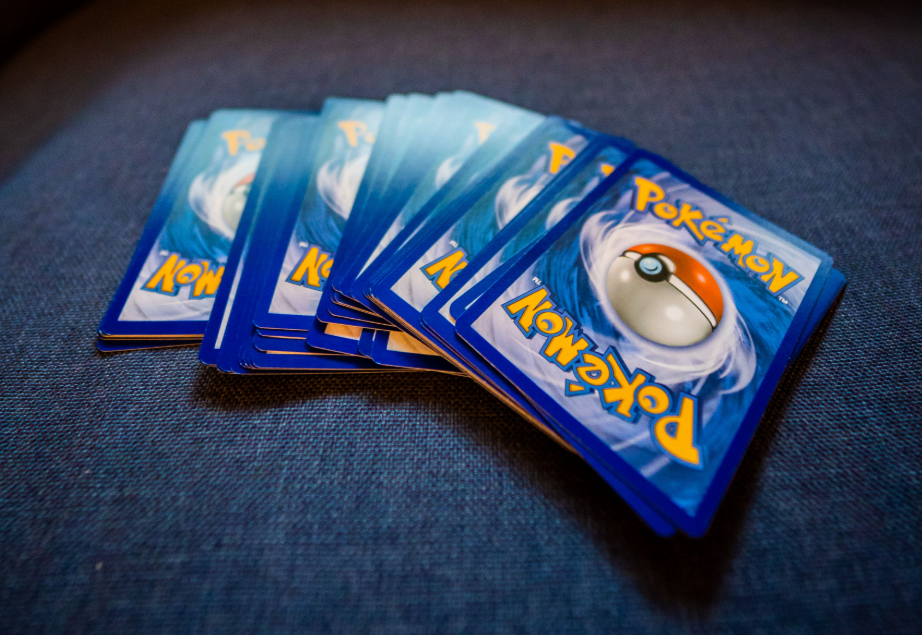
The shiny pieces of cardboard you traded in the schoolyard are really no longer just childhood keepsakes. Today, high-value Pokémon cards are attracting serious attention from people looking beyond the stock market or increasingly unaffordable real estate for alternative ways to diversify their portfolios.
You may remember ripping open booster packs in search of your favorite Pokémon, but today’s market views certain cards very differently. Rare, high-grade vintage collectibles can now sell for prices comparable to fine art, classic cars or rare wine, turning a nostalgic hobby into an established collectible market with growing financial significance.
From Childhood Hobby to Investment Portfolio
Many physical collectibles tend to increase in value due to limited supply and growing nostalgia among adults who can spend money freely. In past decades, wealth creation was about stocks, government bonds and real estate. These days, however, new assets have been recognized and rare collectibles have been added to the discussion.
For any collectible to be considered an asset class, the infrastructure and active trading, along with clear pricing, should be in place. It has all been done.
Collectors review rare printings just like investors do with companies, based on the results achieved by these firms in past years, not on speculation. Mature markets require platforms that can independently evaluate the value of collectibles based on thousands of transactions.
Auction data, grading standards and an increasing number of online marketplaces allow both buyers and sellers to better understand the fair market value.
Tracking Real-Time Prices and Market Movements
Following a market containing more than 20,000 unique cards requires constant access to pricing data and sales history. Transparency is essential in any alternative asset because it allows buyers and sellers to make informed decisions. Without centralized tracking, placing an accurate value on a high-grade vintage card would be little more than educated guesswork.
Market history also shows that certain categories can rise or fall quickly as economic conditions change or collector interest shifts. For example, a monthly publication from cardtrack.com reports that the broader trading card market shows noticeable movements across multiple sub-indices, ranging from graded singles to sealed booster boxes.
These updates provide historical comparisons that help illustrate how market activity responds during periods of inflation or changing consumer demand.
Understanding this data can help you avoid buying into the market when prices have already reached temporary highs.
What Makes a Card a Strong Collectible Asset?
Not every Pokémon card is capable of holding its value over time, so choosing carefully is essential. Long-term success depends on recognizing the characteristics that help protect an asset from changing market conditions.
When evaluating whether a card has genuine investment potential, consider these key factors:
- Population Reports: The number of copies officially graded in a particular condition by independent authentication companies.
- Historical Liquidity: How frequently the card appears in public sales, indicating how easily it can be sold when needed.
- Cross-Generational Appeal: The lasting popularity of the featured Pokémon, helping sustain collector demand over time.
- Physical Preservation: Clean edges, strong centering and minimal surface wear, all of which significantly impact value.
The Costs Behind Buying and Selling
Collectibles come with challenges that traditional investments generally avoid. Buying and selling shares can often be completed within seconds for very low fees, while selling a valuable trading card may involve grading, authentication, shipping, insurance and marketplace commissions.
These additional costs can reduce overall returns if they are not considered from the beginning.
Professional grading companies assess condition on a scale from 1 to 10 and even the smallest flaw can make a substantial difference. A microscopic scratch on a holographic card may lower it from Gem Mint to Near Mint, creating a significant price gap.
Because condition is so important, collectors must also think about proper storage, environmental protection and insurance when holding valuable cards over many years.
The Future of Collectible Investing
The long-term strength of any alternative asset depends on consistent demand rather than short-lived speculation. Trading cards have continued generating billions of dollars in annual sales even after the surge in interest during the pandemic began to settle.
As younger generations accumulate more wealth, demand for tangible collectibles with cultural significance may continue to strengthen. That shift reflects a growing preference for physical assets that combine nostalgia with long-term collectability.
Even so, Pokémon cards should be approached with balance rather than excitement alone. Vintage cards from the late 1990s have generally shown greater long-term stability, while modern ultra-rare releases remain affected by ongoing production and fluctuating supply.
Success in this market belongs to collectors who study population reports, monitor pricing trends and make decisions with the same discipline they would apply to more traditional investments.
For many people, that means viewing collectibles as one part of a broader portfolio rather than relying on them as a standalone investment strategy.




Casino Apps Are Changing the Way People Discover Games
Click to rate this post! [Total: 0 Average: 0] An online casino used to feel much more like a website...


Roobet Promo Code – What Exclusive Bonus Does It Unlock?
Click to rate this post! [Total: 0 Average: 0] Crypto casinos look similar until the welcome package is unpacked. Sign-up...

Are Pokémon Cards a Real Alternative Asset
Click to rate this post! [Total: 0 Average: 0] The shiny pieces of cardboard you traded in the schoolyard are...
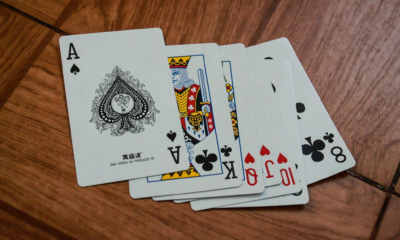

6 Mistakes Even Experienced Tongits Players Make (And How to Fix Them)
Click to rate this post! [Total: 0 Average: 0] Every experienced Tongits player thinks they have the game entirely figured...


Gaming Reward Design Has Spent Thirty Years Moving in One Direction
Click to rate this post! [Total: 3 Average: 3.7] Every browser game with an unlock screen was teaching the same...


Mouse P.I. For Hire Review: What Makes It Interesting and How to Play
Click to rate this post! [Total: 0 Average: 0] What Is Interesting About This Game? A Noir Story Meets Rubber...


How Sports Video Games Keep Fans Engaged Between Matchdays
Click to rate this post! [Total: 0 Average: 0] Sports fandom does not pause when the final whistle sounds. Between...


ผลกระทบที่แท้จริงของการถอนเงินล่าช้าต่อเว็บไซต์ เวบสล็อต ยุคใหม่
Click to rate this post! [Total: 0 Average: 0] อุตสาหกรรมเกมออนไลน์เปลี่ยนแปลงอย่างรวดเร็วในช่วงไม่กี่ปีที่ผ่านมา ปัจจุบันผู้ใช้งานไม่ได้ตัดสินแพลตฟอร์มจากแค่ภาพลักษณ์ โปรโมชั่น หรือจำนวนเกมอีกต่อไป มาตรฐานของผู้ใช้งานสูงขึ้นมาก โดยเฉพาะในเรื่องความน่าเชื่อถือและประสบการณ์ใช้งานโดยรวม หนึ่งในปัญหาที่ค่อย ๆ ทำลายหลายแพลตฟอร์มในปัจจุบัน คือการดำเนินการถอนเงินที่ล่าช้า ในช่วงแรก...


Zuma Games Online: The Best Free Browser Games for Marble Shooter Fans
Click to rate this post! [Total: 0 Average: 0] If you grew up glued to a PC in the early...


The Importance Of Mobile Optimization In Slot Games Design
Click to rate this post! [Total: 0 Average: 0] Have you ever found yourself playing a slot game on your...
Casino Apps Are Changing the Way People Discover Games
Roobet Promo Code – What Exclusive Bonus Does It Unlock?
Are Pokémon Cards a Real Alternative Asset
6 Mistakes Even Experienced Tongits Players Make (And How to Fix Them)

Desert Air Cooler vs AC in 2026: Which One Saves More After the BEE Star Rating Price Hike?

5 Things Families Should Consider When Exploring Living Options
Gaming Reward Design Has Spent Thirty Years Moving in One Direction
Mouse P.I. For Hire Review: What Makes It Interesting and How to Play

The Role of Headless CMS in Building Future-Ready Financial Platforms
How Sports Video Games Keep Fans Engaged Between Matchdays
-

 Finance3 years ago
Profitable Intraday Trading Advice For Novices
-

 Gaming3 years ago
Pixel Speedrun Unblocked Games 66
-

 Gaming3 years ago
Subway Surfers Unblocked | Subway Surfers Unblocked 66
-

 Internet3 years ago
Welcome to banghechoigame.vn – Your One-Stop Destination for Online Gaming Fun!
-

 Gaming3 years ago
Minecraft Unblocked Games 66 | Unblocked Games Minecraft
-

 Gaming3 years ago
Google Baseball Unblocked | Google Doodle Baseball Unblocked 66
-

 Gaming3 years ago
Tunnel Rush Unblocked | Tunnel Rush Unblocked 66
-

 Internet3 years ago
Premium Games Unblocked: Unleash Your Gaming Potential